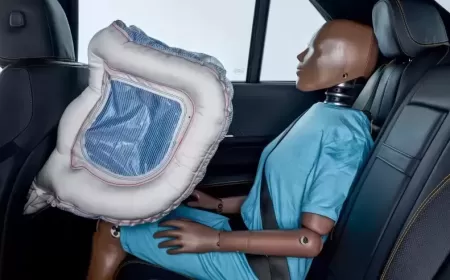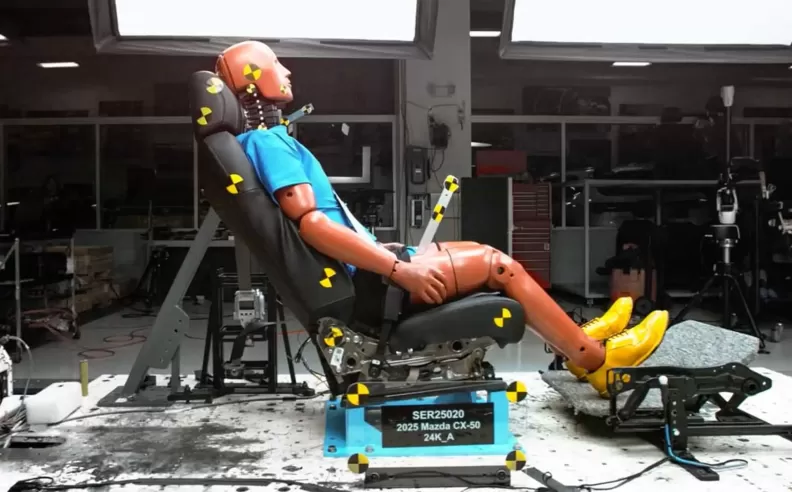
A new whiplash test by the Insurance Institute for Highway Safety (IIHS) is raising the bar for neck protection in small SUVs, giving UAE drivers a clearer picture of which models offer the best peace of mind. This upgraded evaluation puts seats and head restraints through tougher rear end crash scenarios, with only a handful of vehicles achieving the highest marks.
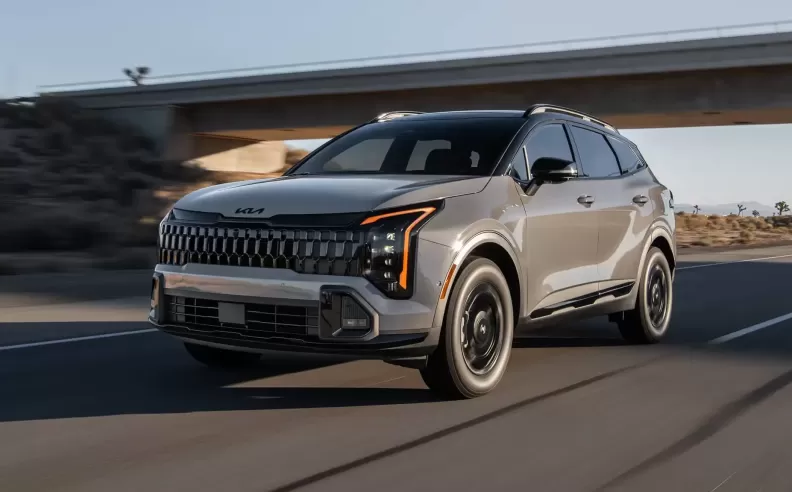
Out of the first 18 small SUVs tested, only four achieved a “good” rating: the Audi Q3, Hyundai Ioniq 5, Subaru Forester, and Toyota RAV4. These models stood out for their effective head restraints and seat engineering, showing strong results at both moderate and high speed rear impacts. For UAE families, the Ioniq 5 proves that electric SUVs can keep up with gas models in crash safety, while the Forester and RAV4 are reliable picks with a long history of strong safety scores. The Q3 combines a premium feel with smart engineering, making it an appealing choice for safety conscious buyers in the Emirates.
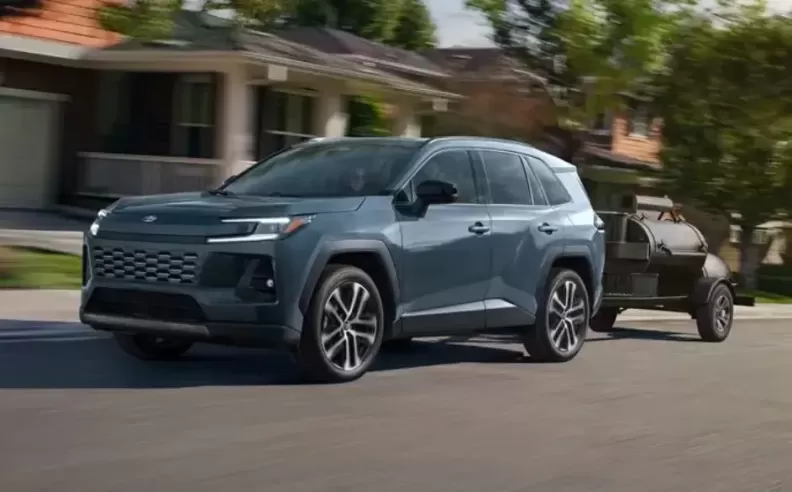
The new test introduces stricter standards, measuring injury prevention and seat support using a demerit system. A “good” rating means the vehicle earned zero to three demerit points for neck injury risk, “acceptable” means four to six, “marginal” is seven to nine, and “poor” covers ten to eighteen. For UAE shoppers, focusing on models with “good” or “acceptable” ratings ensures better neck protection in a rear end crash. The 2026 RAV4, Ioniq 5, Forester, and Q3 are among the safest bets, with other models like the Kia Sportage, Honda CR V, and Volvo XC40 also ranking as solid options for those who want peace of mind on UAE roads.

Started my career in Automotive Journalism in 2015. Even though I'm a pharmacist, hanging around cars all the time has created a passion for the automotive industry since day 1.



 SHARE
SHARE