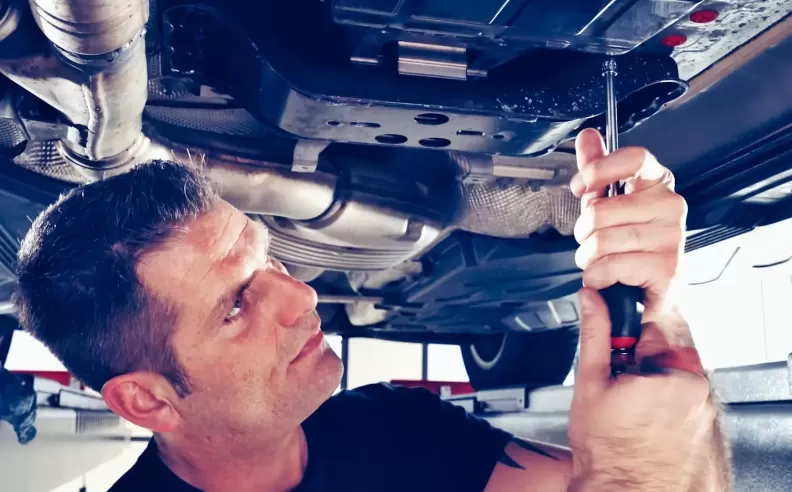
The transmission is one of the most expensive mechanical components in any vehicle. In the 2026 used car market, with advanced electronic systems such as Dual Clutch and Continuously Variable Transmission gearboxes, inspecting this component carefully can mean the difference between a smart purchase and a financial disaster. Here is a structured, professional approach to evaluating a transmission before you commit.
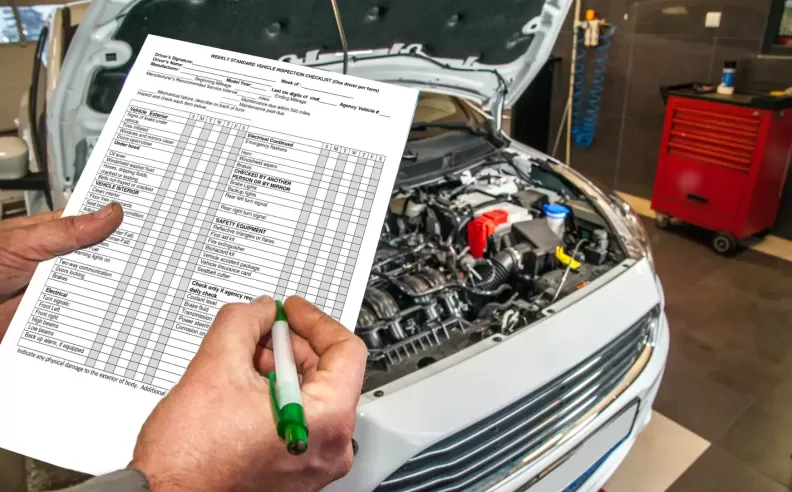
Fluid Level and Color
In vehicles that allow manual checking, traditional automatic transmission fluid should appear red or pink. If it looks dark brown or black, that may indicate overheated or worn internal clutches.
Burning Smell
If the dipstick gives off a burnt odor, this strongly suggests excessive friction or abnormal heat inside the transmission.
Check for Leaks
Inspect the ground under the vehicle for red or sticky fluid stains. Even a minor leak can gradually reduce hydraulic pressure and eventually lead to total transmission failure.
Smooth Engagement
Shift through all positions such as Park, Reverse, Neutral, and Drive. The transitions should feel smooth. There should be no clunking sounds or strong jolts when shifting between gears.
Response Time
When shifting into Reverse or Drive, the vehicle should respond within about one second. A noticeable delay may point to a weak pump or internal wear.
Dashboard Warning Lights
Make sure there is no Check Engine or transmission warning light. In 2026, it is highly recommended to use an OBD II scanner to detect stored fault codes that may have been temporarily cleared.
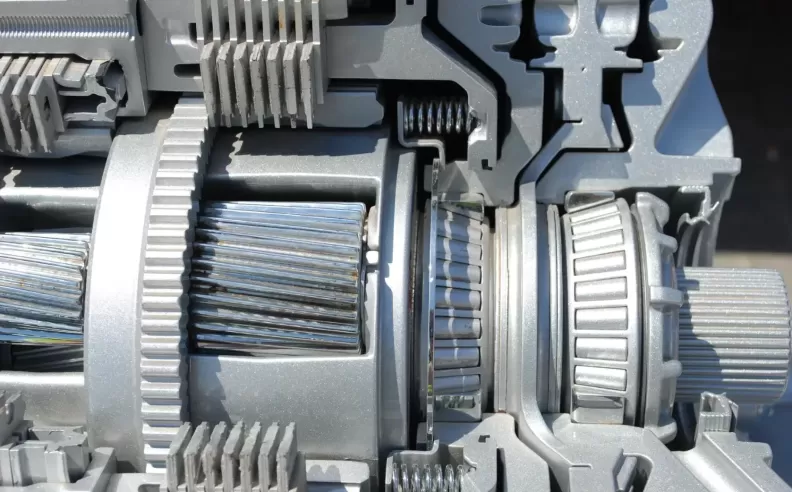
Synchronized Shifting
While driving, gear changes should occur smoothly. Watch for sudden increases in engine RPM without a corresponding increase in vehicle speed. That behavior often signals transmission slippage.
Unusual Noises
Listen carefully for whining sounds at higher speeds. These noises can indicate worn bearings or planetary gears.
Manual Transmission Check
If the vehicle has a manual gearbox, confirm that it does not pop out of gear while driving and that the clutch engages and disengages at a proper point without excessive stiffness.
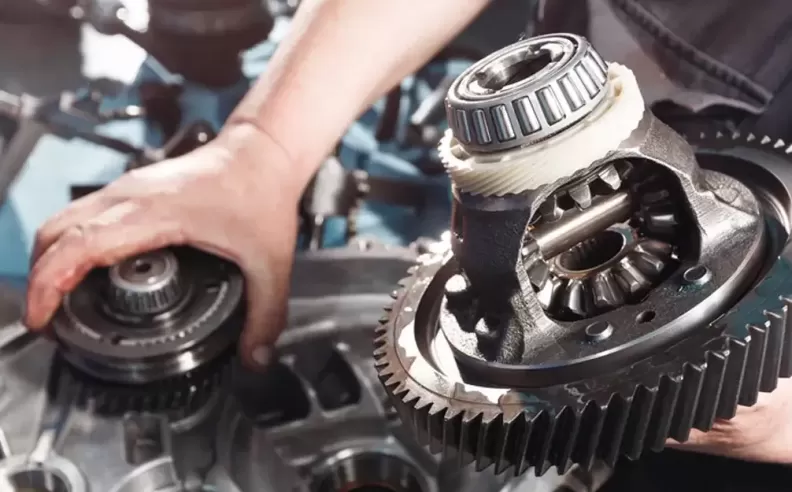
Torque Performance
Drive the vehicle uphill if possible. If it feels underpowered or the transmission constantly hunts between ratios, this may signal reduced mechanical efficiency.
CVT Behavior
In modern vehicles equipped with a continuously variable transmission, pay attention to shuddering during steady acceleration. This is a common issue when CVT systems have been poorly maintained or misused.
A thorough inspection using these steps will significantly reduce the risk of unexpected transmission repairs and help ensure that your used car purchase in 2026 is a safe and confident investment.

Started my career in Automotive Journalism in 2015. Even though I'm a pharmacist, hanging around cars all the time has created a passion for the automotive industry since day 1.




 SHARE
SHARE