As the chill of winter 2026 sweeps across the region, a viral warning is making the rounds on social media, urging drivers to rethink the way they warm up their cars. The message is clear and urgent: carbon monoxide poisoning is not just a risk in closed garages. Even in open spaces, sitting in an idling car with the engine running can turn deadly without warning.
Carbon monoxide is often called the silent killer because it has no color or smell. Drivers can be exposed without ever knowing, especially when sitting in a parked car for warmth. The gas can seep into the cabin and cause unconsciousness or death before any symptoms appear. According to the CDC, over 400 people die every year in the US from accidental carbon monoxide poisoning, and about 100,000 more need emergency care. The biggest danger? Victims rarely realize anything is wrong until it’s too late.

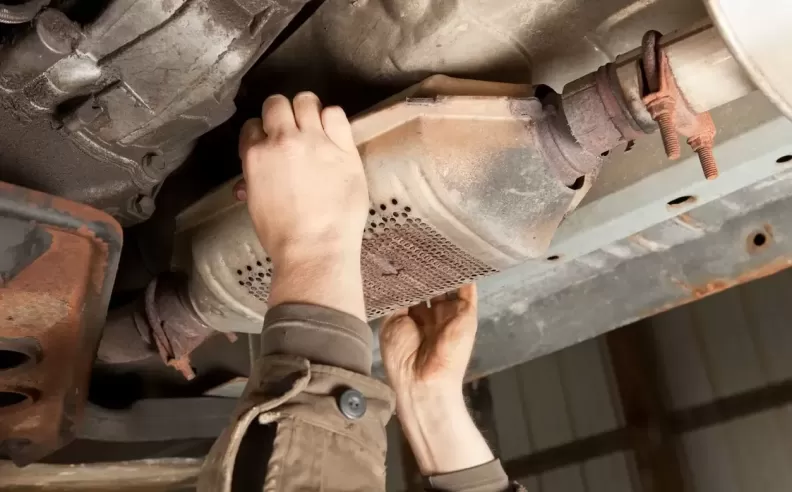
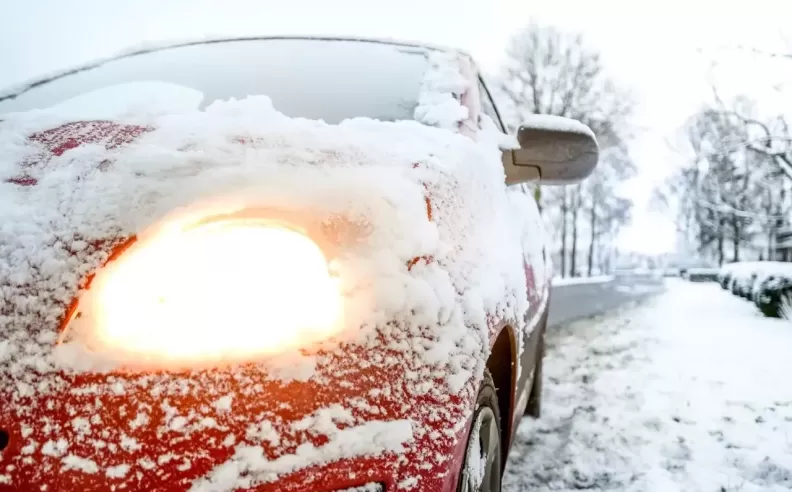
The most common reason is blocked exhaust pipes. When snow or ice piles up behind a car, it can block the tailpipe, forcing exhaust gases,including carbon monoxide, back into the vehicle. Even a small leak in the exhaust system can let gas into the cabin through vents or floor gaps, especially when the car is left idling for long periods. Real-life tragedies show this risk is not limited to closed garages. For example, an incident in New Jersey in 2016 saw a mother and her two kids die from carbon monoxide poisoning while the father was clearing snow, simply because the tailpipe was blocked by snow.
Experts recommend several simple precautions. First, always check that the tailpipe is clear of snow, dirt, or debris before starting the engine. Second, crack the windows open every 10 to 15 minutes to allow fresh air in and vent any trapped gases. Third, avoid leaving the engine running for long stretches—warm up the car in short bursts if necessary, and never fall asleep in a car with the engine on. Finally, have a mechanic inspect the exhaust system once a year to make sure there are no leaks that could let carbon monoxide inside.
Portable carbon monoxide detectors are now widely available and can be kept in your car. These devices alert you right away if carbon monoxide levels get dangerous, giving drivers an early warning to take action. Many drivers are unaware of this option, and community discussions online show just how important it is to spread awareness about this invisible risk. Sharing stories and safety tips could be the key to saving lives this winter.

Started my career in Automotive Journalism in 2015. Even though I'm a pharmacist, hanging around cars all the time has created a passion for the automotive industry since day 1.


 SHARE
SHARE