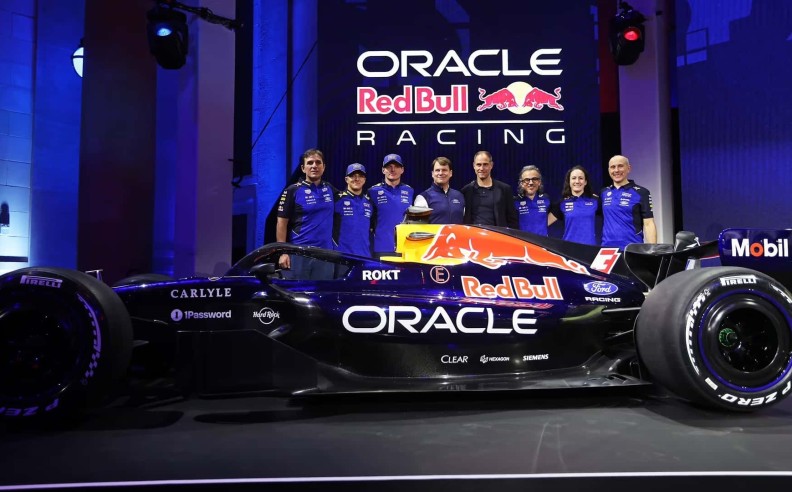
Ford is charging into the world of Formula 1 not just for the thrill of racing, but to spark big changes in the hybrid cars regular drivers will see on the road. By partnering with Red Bull Racing, Ford is betting that lessons learned on the track will shape the next wave of hybrid and electric vehicles for everyone.
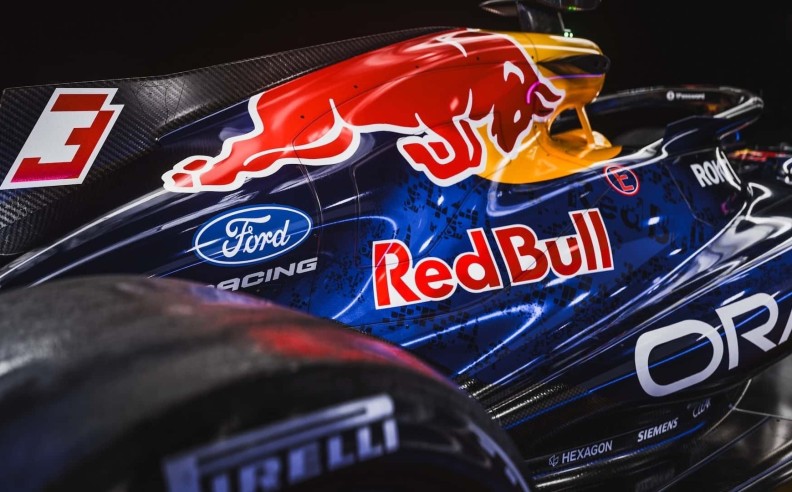
Ford’s CEO Jim Farley is clear about the goal: it’s all about technology transfer. In the past, F1 was a playground for building better gas engines, but now it’s the world’s most advanced hybrid laboratory. Ford’s partnership with Red Bull is not about building faster gasoline engines, it’s about pushing hybrid systems further than ever before.
F1 cars switched to hybrid engines in 2014 and now rely on a powerful mix of a 1.6 liter turbocharged V6 with electric motors and high voltage batteries. For 2026, these F1 engines will deliver around 350 kilowatts of electric power, nearly three times more than before, with the car running on battery energy half the time. Ford is eager to learn how F1 teams handle battery stress, predictive maintenance, and advanced control software. These insights will go straight into Ford’s future hybrid models, from performance cars to work trucks. As Farley puts it, F1 is the best place to learn about high discharge batteries and software that predicts when components might fail, all of which matter for building hybrids that last longer and run stronger.

Ford’s future is shifting fast. While its electric F 150 Lightning and Mustang Mach E made headlines, profits from EVs have been disappointing. That’s why Ford is refocusing on hybrids and extended range electric vehicles, especially in markets like the US and Europe. The Maverick hybrid and F 150 Powerboost have been far more successful than the all electric lineup, and by 2030, Ford hopes that half of its global sales will be hybrids, plug in hybrids, or pure EVs.
What’s really going to make the difference is better battery tech, smarter software, and lessons in efficiency from motorsports. Ford wants to apply everything it learns in F1, from aerodynamics to battery durability and even predictive software— directly into its next generation hybrids and electric trucks. This is about making hybrids with more electric range, stronger performance, and better reliability for everyday drivers. The company knows it has to keep up with fierce rivals from China and Europe, and F1’s relentless pace is the best place to get that edge. Whether it’s building a $30,000 pickup for 2027 or rolling out new hybrid vans, Ford’s racing investment is all about bringing that F1 magic to your next car.

Started my career in Automotive Journalism in 2015. Even though I'm a pharmacist, hanging around cars all the time has created a passion for the automotive industry since day 1.



 SHARE
SHARE