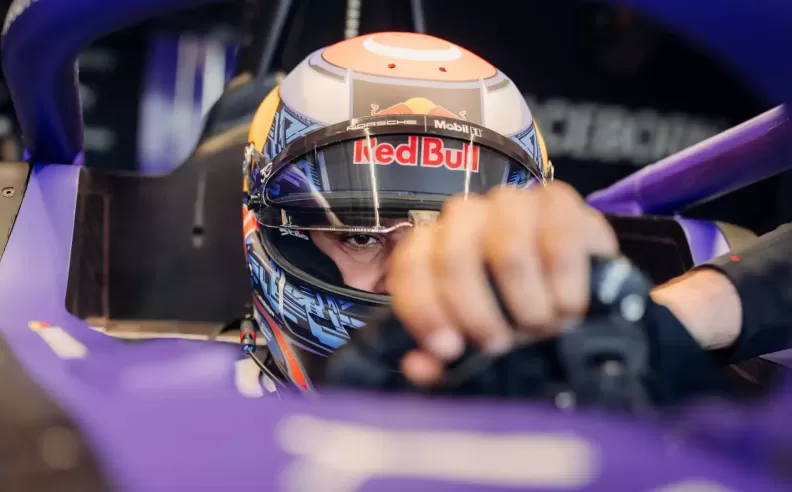
Porsche has always treated racing as the fastest route to real world innovation, and in 2026 that idea feels more relevant than ever. What once applied mainly to combustion engines now defines the brand’s electric future as well. Through Formula E, Porsche is testing how energy recovery, thermal control, and software intelligence can work harder under extreme pressure, then bringing those lessons into road cars like the Taycan and the upcoming electric Cayenne. The result is not just more power or faster lap times. It is smarter electric performance that improves range, response, and efficiency in ways drivers can actually feel every day.
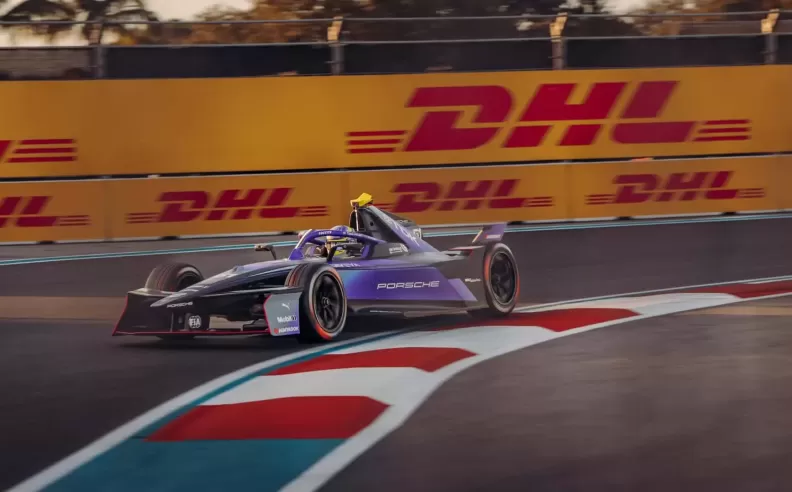
Porsche has pushed regenerative braking far beyond what many drivers still expect from an electric car. In its third generation Formula E race car, the energy recovery system can reach up to 600 kW. That figure is more than double the 265 kW recovered by the first Taycan, and it also sits well above the 240 kW figure of the new electric Macan. On track, that matters because every bit of recovered energy can support performance without adding unnecessary weight.
What makes this even more interesting is how heavily the race car depends on electrical deceleration. Porsche says regenerative braking can handle up to 75 percent of braking on the circuit, while the front hydraulic brakes mainly stay in reserve for emergency use. That changes the role of braking completely. Instead of simply slowing the car, the system actively feeds energy back into the battery and sharpens overall efficiency.
This is where the upcoming electric Cayenne becomes part of the story. Porsche plans to give the 2026 model the highest energy recovery capability ever seen in one of its road cars, using knowledge taken straight from the race track. The advantage is bigger than a headline number. Better recovery means Porsche can preserve range more effectively and potentially reduce the need for an oversized battery. That can lower vehicle mass and support the sharper, more athletic driving character the brand wants to protect.
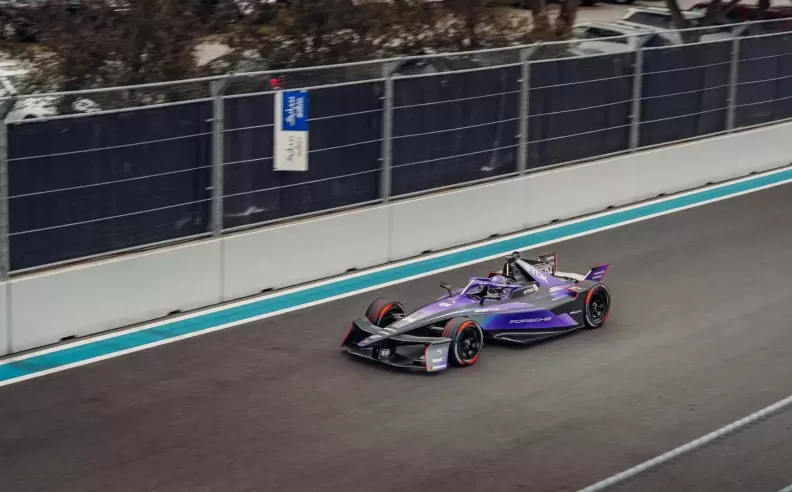
Porsche is not relying on braking gains alone. It is also using Formula E to refine how electric systems are packaged, cooled, and controlled. One key lesson comes from the use of direct liquid cooled motors in racing. This setup helps reduce size and mass more effectively than traditional housing based cooling methods, which gives engineers more freedom when managing performance and durability.
That knowledge becomes especially valuable in larger road cars. The electric Cayenne is expected to weigh about 2645 kg, so every gain in packaging and thermal efficiency matters. Even though Formula E cars use a much smaller 38.5 kWh battery and the Cayenne uses a massive 108 kWh unit, Porsche can still transfer the logic behind battery efficiency and system management from one environment to the other.
Software is where the real magic happens. In Formula E, teams work with the same general chassis and aerodynamic rules, so the biggest advantage often comes from in house code. Porsche uses its own software to fine tune pedal response, power delivery, and energy recovery. A road ready version of that same thinking now shapes the driving experience in the Taycan and is expected to influence the Cayenne as well. That is why Porsche electric cars do not just feel quick. They feel precise, smooth, and intelligently calibrated in a way that reflects lessons learned under racing pressure.

Started my career in Automotive Journalism in 2015. Even though I'm a pharmacist, hanging around cars all the time has created a passion for the automotive industry since day 1.


 SHARE
SHARE