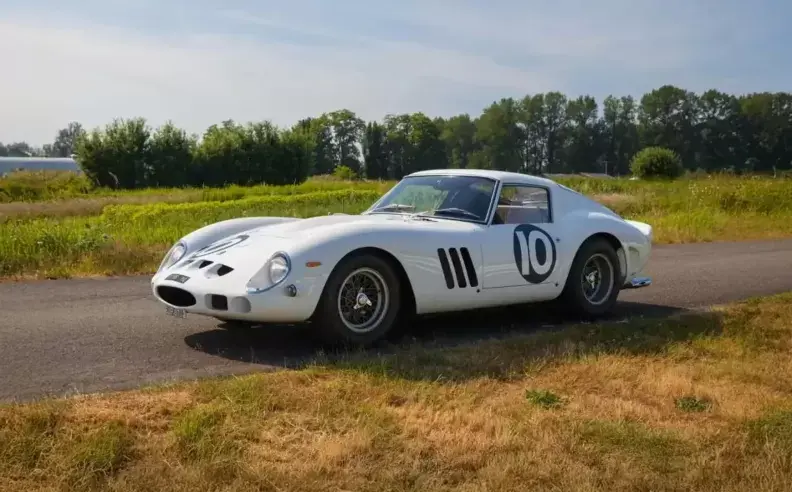
The classic car world is buzzing again, this time around a 1962 Ferrari 250 GTO that could sell for more than 70 million dollars at a Mecum Auctions sale in Kissimmee, Florida. What makes this story feel bigger than a single transaction is the mix of rarity, documented racing history, and careful preservation that collectors chase. This specific car, chassis 3729GT, is also tied to a very unusual factory detail, it originally left the factory in a special white finish requested by its first owner, British racer John Coombs.
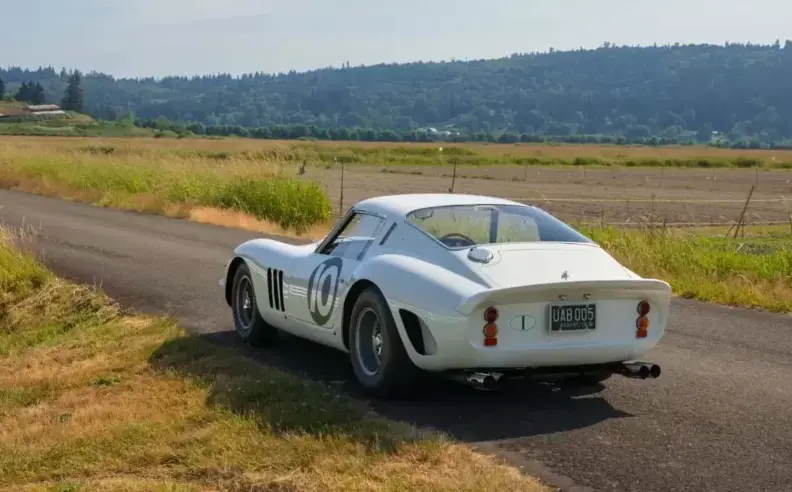
Collectors value this 250 GTO because it sits at the intersection of low production, real competition history, and originality that can be proven. Ferrari built fewer than 40 examples between 1962 and 1964 with one goal in mind, winning at the highest level of FIA GT racing. Power came from a 3.0 liter V12 that made about 224 kW, paired with a manual gearbox with five forward gears, which was serious race hardware for its era. This specific chassis stands out because it kept meaningful period racing modifications instead of being converted later into something more cosmetic. Details like functional venting and period style airflow changes show it was used as a true race tool, not just displayed as a silent museum piece. The car also carries major credibility from names linked to its competition life, including Graham Hill, Jack Sears, Mike Parkes, Roy Salvadori, and Richie Ginther. Add long term ownership by respected collectors, regular appearances at elite events like Pebble Beach Concours dElegance and Goodwood Revival, and official Ferrari Classiche documentation, and the value starts to look like a market logic story, not just hype.
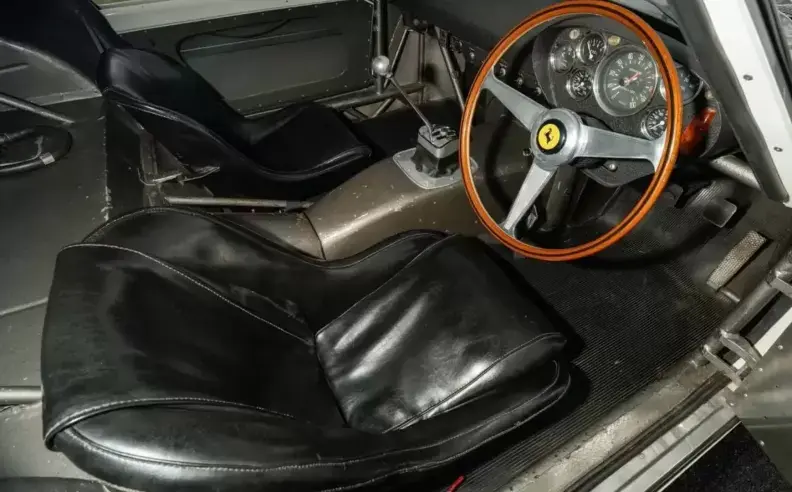
The article highlights a detail that adds extra weight to the Ferrari’s legend, Jaguar’s racing program reportedly borrowed this 250 GTO for comparison testing against the Jaguar E Type. That kind of reference matters because it frames the Ferrari as a benchmark car, the one competitors wanted to measure themselves against. In collector terms, it is not only about being fast back then, it is about being historically important in the competitive ecosystem of the 1960s. When a rival takes interest at that level, it strengthens the narrative that this Ferrari was not just desirable, it was dominant enough to be studied.

Started my career in Automotive Journalism in 2015. Even though I'm a pharmacist, hanging around cars all the time has created a passion for the automotive industry since day 1.


 SHARE
SHARE