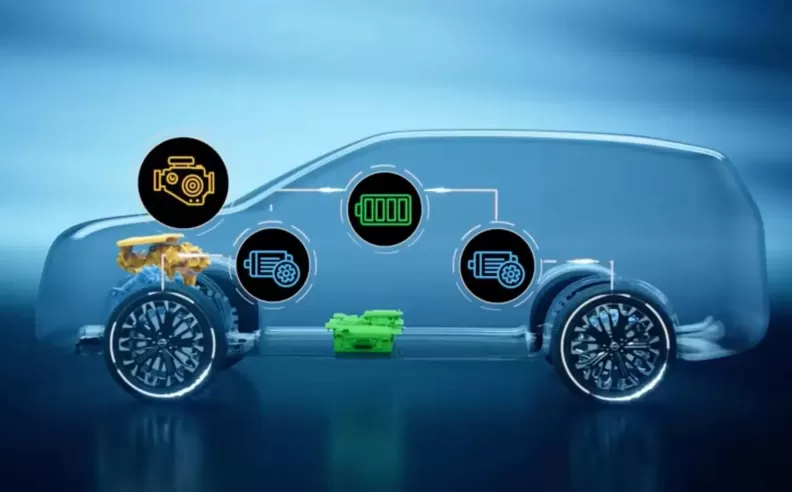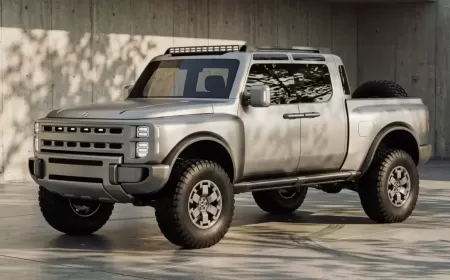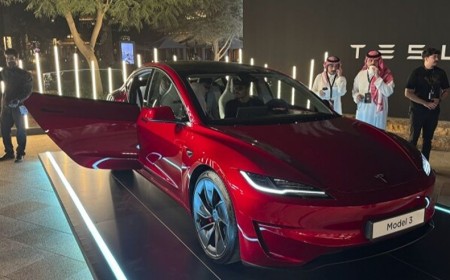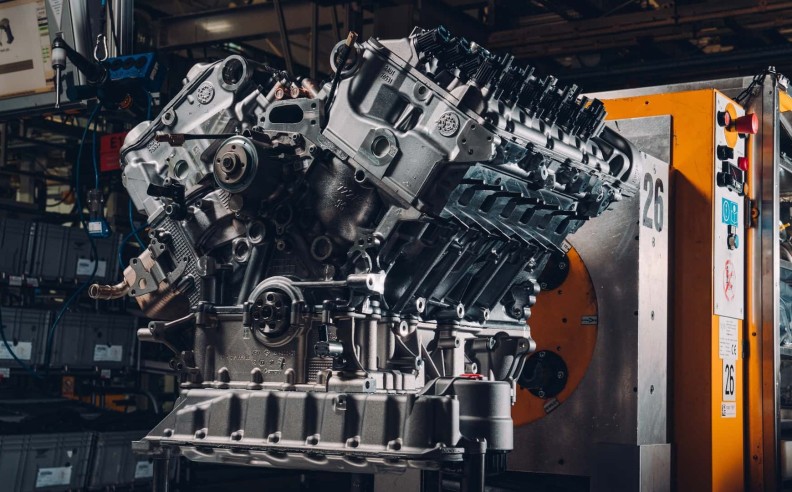
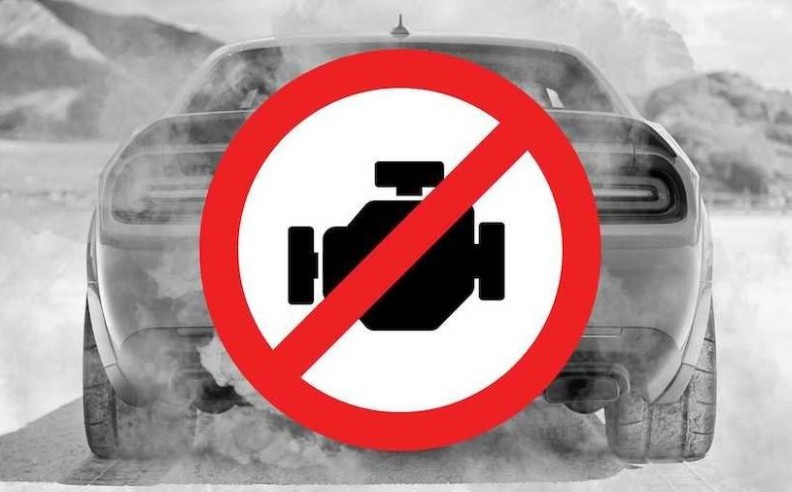
European car rules are shifting again. After years of pushing toward a fully electric future, the European Union has officially relaxed its 2035 combustion engine ban. Instead of forcing a complete switch to electric vehicles, the new plan focuses on cutting emissions by 90 percent compared to 2021 levels. This move keeps combustion engines alive longer and opens the door for hybrids plug in hybrids and range extended electric vehicles to stay on sale beyond 2035. For car buyers and manufacturers alike this change reshapes what the next decade of mobility may look like.
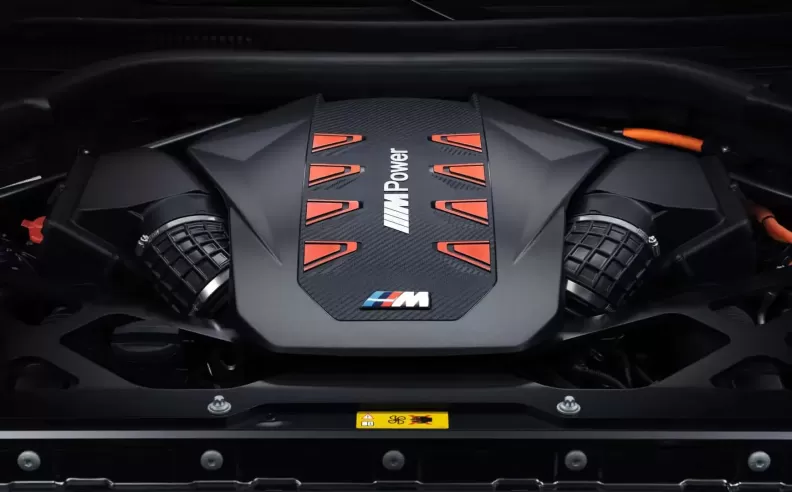
Volkswagen Group has been one of the most vocal automakers questioning the original 2035 ban. Under the old rules the brand faced a full transition to electric only models across its lineup. With the updated EU target allowing a 90 percent emissions cut instead of 100 percent, Volkswagen can continue developing combustion engines alongside electrified options. This includes modern hybrids and plug in hybrid systems that reduce emissions without fully removing gasoline engines. For buyers this means familiar Volkswagen models will likely remain available with cleaner powertrains rather than disappearing overnight.
Stellantis also pushed back against the original ban, warning that the timeline was difficult to meet. The revised EU plan gives the group more flexibility to balance electric vehicles with low emission combustion options. By allowing alternative solutions like synthetic fuels biofuels and cleaner materials to offset emissions, Stellantis can keep producing combustion based models while working toward lower overall fleet emissions. This approach gives customers more choice and gives the brand more time to adapt its technology without abandoning existing platforms too quickly.

Started my career in Automotive Journalism in 2015. Even though I'm a pharmacist, hanging around cars all the time has created a passion for the automotive industry since day 1.


 SHARE
SHARE