Europe’s bold plan to ban gasoline and diesel engines by 2035 has officially been put on hold. Facing high electric car prices, slow charging infrastructure, and massive pressure from automakers and unions, lawmakers have changed course. Instead of an outright ban, Europe will allow internal combustion engines to continue after 2035 if they use low emission fuels, marking a major shift for the industry and drivers.
The dream of an all electric future for European roads was hit with reality as car companies and workers raised concerns about the speed of the transition. Brands like BMW, Mercedes, Volkswagen, and Stellantis all lobbied hard for a rethink, pointing to three big challenges: not enough charging stations, electric cars staying more expensive than traditional models, and the risk of losing hundreds of thousands of jobs if factories tied to combustion engines shut down.
The turning point came after a key letter from Germany’s Chancellor to European Commission President Ursula von der Leyen, which triggered a reassessment. The result? Europe’s lawmakers decided to keep combustion engines on the table, as long as they run on new types of cleaner fuels.
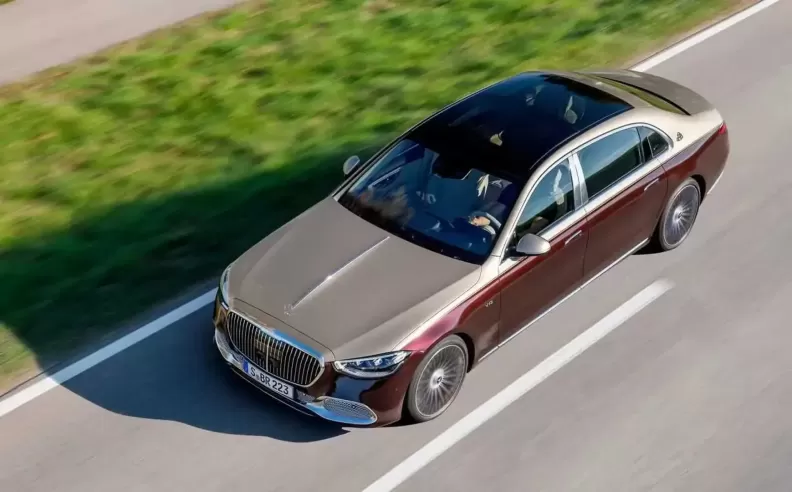
The new policy does not mean business as usual for gas and diesel. Only cars running on low emission fuels will be allowed, and regular gasoline or diesel could be heavily restricted. There are two main types of next generation fuels in the spotlight:
As for hybrids, the final rules are still in the works. Plug in hybrids and range extender hybrids will likely be allowed as long as they use low emission fuels, while those that rely on traditional gasoline may face tighter restrictions.
One thing is clear, existing cars with gas or diesel engines will keep running for years. Even if new sales are limited, today’s combustion cars will not be forced off the road. The electric transition remains slow, with only about eighteen percent of Europe’s market fully electric and hybrids making up a little over a third. Despite pressure, brands like Volvo and Polestar are sticking to the original 2035 plan, but most automakers now have breathing room to keep developing traditional engines with a cleaner twist.

Started my career in Automotive Journalism in 2015. Even though I'm a pharmacist, hanging around cars all the time has created a passion for the automotive industry since day 1.



 SHARE
SHARE