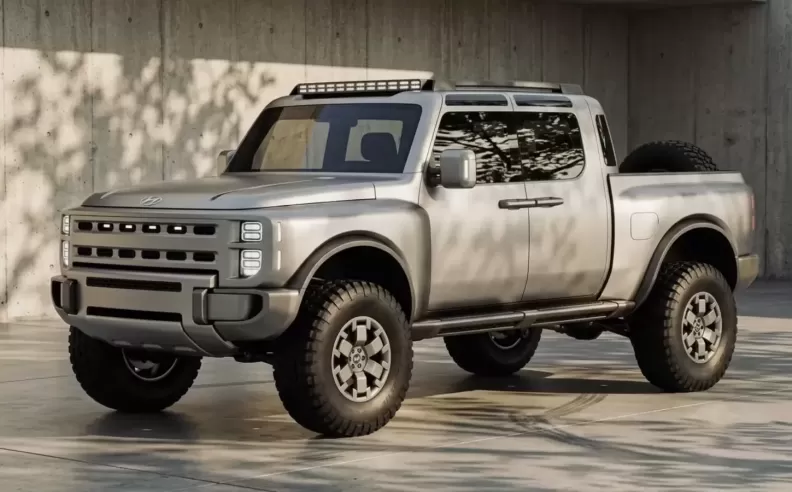
Ford is betting big on a new kind of electric truck that aims to hit a 30000 dollar price point when it launches in 2027. Instead of treating EVs like premium gadgets, Ford is pushing a manufacturing first mindset that focuses on simplifying everything, from body construction to wiring to aerodynamics. The goal is straightforward: cut weight, cut parts, cut cost, and turn every efficiency gain into real savings that can protect range without inflating the battery pack.

Ford plans to lean on a new global EV platform designed to balance everyday practicality with strong performance. The approach is less about flashy extras and more about smart engineering choices that scale. A major piece of that plan is unicasting, where large sections of the vehicle are made as single cast parts. Ford says the current Maverick uses 146 structural pieces, while the new truck is expected to use just two major castings at the front and rear, which can slash complexity, weight, and manufacturing cost. Ford also ties engineering incentives to efficiency gains, meaning any improvement that reduces energy use can be converted into smaller battery needs, helping keep the 30000 dollar target realistic while still protecting usable range and capability.

Ford is treating airflow like a range multiplier and is obsessing over details that most drivers will never notice. The roofline is shaped to guide air into a teardrop like flow over the rear, and Ford even claims that changing roof height by just 1 millimeter can force a tradeoff that costs about 1.30 dollars in battery value or reduces range. Ford also aims to hide the rear wheels behind managed airflow, using the turbulence from the front tires to help shield the rear tires, which it says can add about 4.5 miles of range. Ford further shrinks the side mirrors by 20 percent by combining adjustment and folding hardware into one unit, while smoothing underbody fastener details to reduce drag. Altogether, Ford claims these choices push aerodynamic efficiency about 15 percent beyond any current truck. On the battery side, Ford plans to use prismatic LFP cells as a structural part of the floor, pairing a 400 volt traction battery with a 48 volt operating system to reduce wire thickness and energy loss. It also combines low voltage and high voltage sensing plus thermal monitoring into a single board, cutting wiring length by about 4000 feet compared with its first electric SUV, then supports it all with zonal electronics for fewer control units, more reliable software, and easier over the air updates.

Started my career in Automotive Journalism in 2015. Even though I'm a pharmacist, hanging around cars all the time has created a passion for the automotive industry since day 1.


 SHARE
SHARE