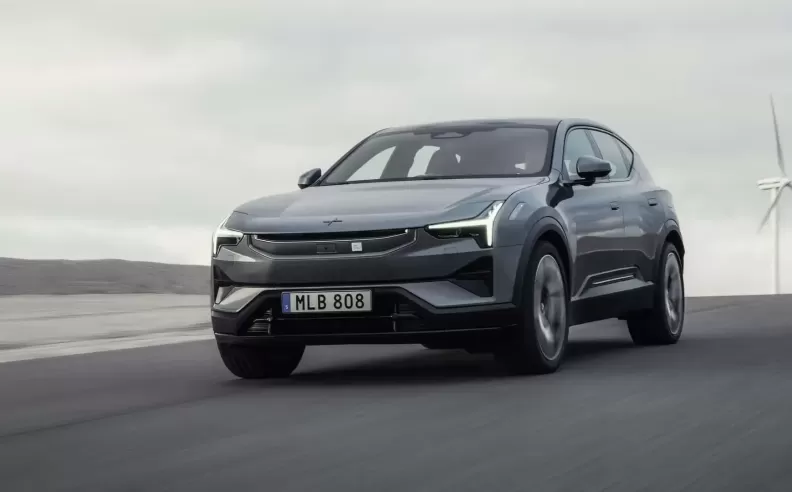
In a move that signals a new phase for electric vehicle design, Polestar has officially announced a major interior rethink starting in 2026. The Swedish brand, known for its ultra minimal gray cabins and heavy reliance on touchscreens, is now pivoting toward a more balanced approach that combines digital sophistication with real tactile controls. As the company prepares to launch four new electric models by 2028, this shift reflects changing customer expectations and stricter European safety regulations that are reshaping how cabins must function.
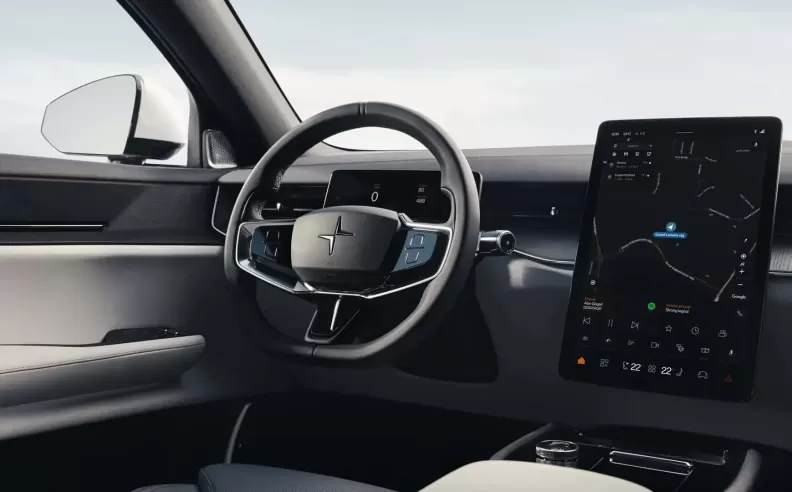
Polestar is stepping away from extreme minimalism and bringing back physical buttons for essential functions in its upcoming 2026 models in Sweden. The brand’s head of design confirmed that future interiors will reduce reliance on software based touch controls and reintroduce solid tactile switches that deliver immediate feedback. Instead of burying core functions inside large central screens, drivers will once again have direct access to features like climate control and key driving functions without navigating digital menus.
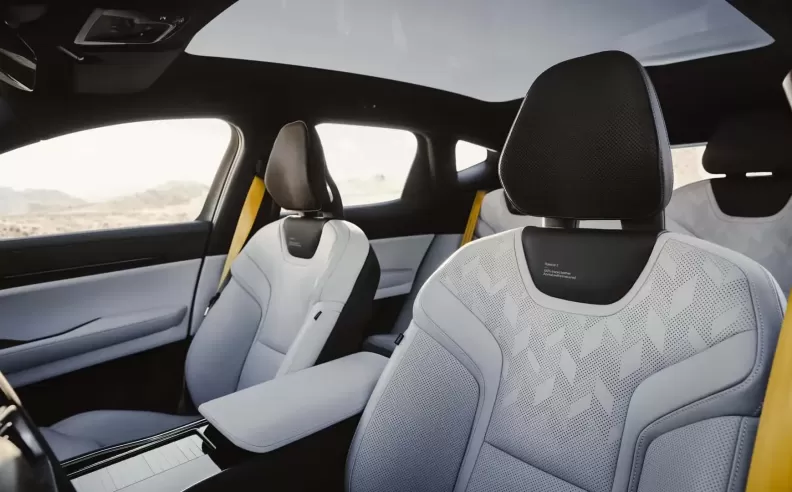
At the same time, Polestar is moving beyond its long standing gray, black, and white interior palette. Future cabins will feature more expressive color accents designed to inject personality into the driving experience. This shift is aimed at a younger customer base, with Polestar drivers averaging around 45 years old, which is roughly ten years younger than many premium rivals. By blending vibrant interior tones with customizable digital displays powered by Android Automotive, the Swedish brand wants to create a cabin that feels modern yet intuitive, premium yet practical. The upcoming Polestar 5, set to debut this summer in Sweden, will begin this transition by maintaining select tactile elements such as a physical volume control while still delivering high end digital technology.
The return of real buttons is not only about style or nostalgia. It is also about safety. Starting in 2026, Euro NCAP has tightened its five star safety requirements across Europe, including Sweden. Under the new standards, vehicles must feature physical controls for essential functions in order to qualify for the highest safety rating. This includes items such as windshield wipers, hazard lights, and mirror adjustments. The reasoning is simple, accessing these features through touchscreens can distract drivers and increase reaction time during critical moments.
For Polestar, which heavily integrated screen based controls in models like the Polestar 3, Polestar 4, and Polestar 5, this represents a significant turning point. Future vehicles such as the next generation Polestar 2 and the upcoming Polestar 7 compact SUV will adopt a more balanced layout that combines smart digital systems with clearly accessible physical switches. The Polestar 7 in particular is expected to serve as the first full expression of this philosophy in Sweden, acting as a test bed for bold interior colors and properly placed tactile controls.
By aligning with Euro NCAP requirements while also responding to user feedback, Polestar is redefining what a premium electric cabin should feel like in 2026. Instead of choosing between digital screens and physical interaction, the brand is aiming for harmony, ensuring that technology enhances the driving experience without overwhelming it.

Started my career in Automotive Journalism in 2015. Even though I'm a pharmacist, hanging around cars all the time has created a passion for the automotive industry since day 1.


 SHARE
SHARE