Battery technology usually moves in small steps, but every so often a real breakthrough comes along that changes the entire industry. Right now, the world of electric cars is on the edge of a major leap forward thanks to the silicon anode, a new battery component that promises to double energy storage and cut charging times by a huge amount. The latest results from US company Sionic Energy and Group14 Technologies, backed by Porsche, suggest we are much closer to a new generation of batteries that could shake up electric cars everywhere.
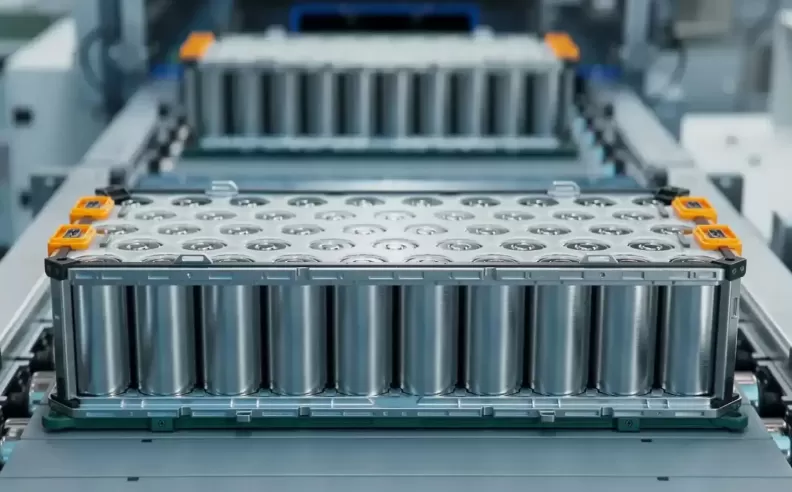
For years, graphite has been the default choice for the anode inside lithium ion batteries, but it comes with high costs, supply chain risks, and heavy reliance on China. Silicon, on the other hand, can store about ten times more lithium than graphite, which could mean far higher energy capacity in the same battery space. The catch was always durability: silicon would swell and lose power over time, especially in heat.
Now, Sionic Energy and Group14 have created a one hundred percent silicon carbon compound anode that solves these problems with a new material design. In recent lab tests, these silicon anodes have delivered steady results at forty five and sixty degrees Celsius, with stable operation in battery cells from four to twenty amp hours. They hit energy densities of four hundred watt hours per kilogram and handled more than twelve hundred charge cycles. Even more impressive, they supported fast charging in less than ten minutes, a big upgrade over the two to three hundred watt hours per kilogram in most batteries today. These results could mean smaller, lighter batteries with much better performance, especially for drivers living in hot climates.
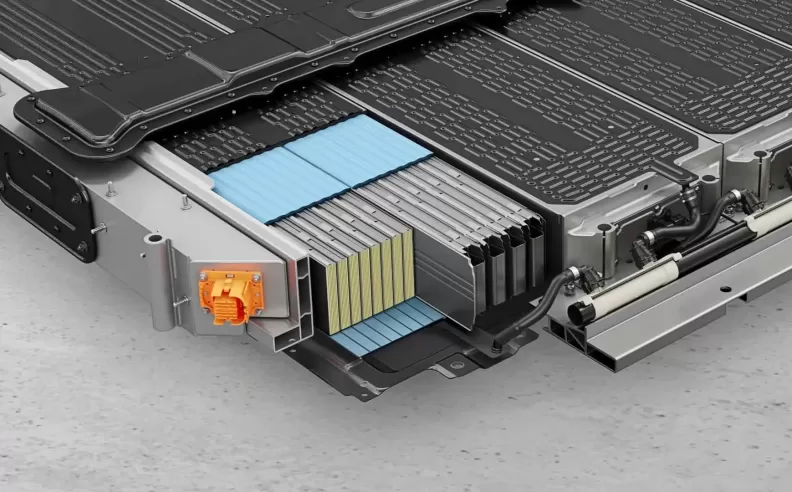
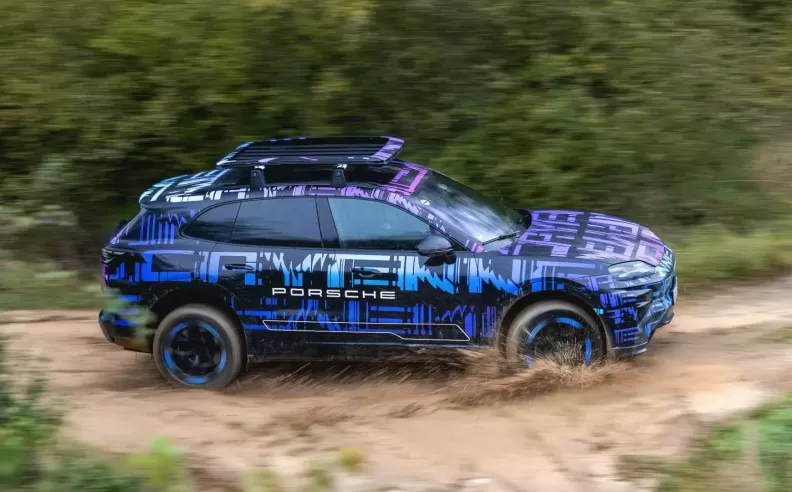
Silicon anode technology is already showing up in flagship Chinese smartphones, where it outperforms even the latest iPhone and Pixel batteries without adding weight or size. In the auto world, early adopters include the ultra rare McMurtry Spéirling electric supercar with a one hundred kilowatt hour battery and upcoming electric Mercedes EQ models. General Motors is also running research programs with the new technology. For now, these batteries are limited to high end performance vehicles and advanced prototypes, but new drop in solutions that fit existing factory lines mean mass production is close.
The strategic impact goes beyond just performance. Silicon anodes could cut dependence on graphite, which is ninety percent controlled by China, while reducing overall battery weight and increasing electric car range. With rising demand for longer driving range and faster charging, silicon anodes look like the most practical breakthrough before solid state batteries become mainstream. This could mean cheaper, lighter, and more efficient electric cars across the United States and beyond in just a few years.

Started my career in Automotive Journalism in 2015. Even though I'm a pharmacist, hanging around cars all the time has created a passion for the automotive industry since day 1.



 SHARE
SHARE