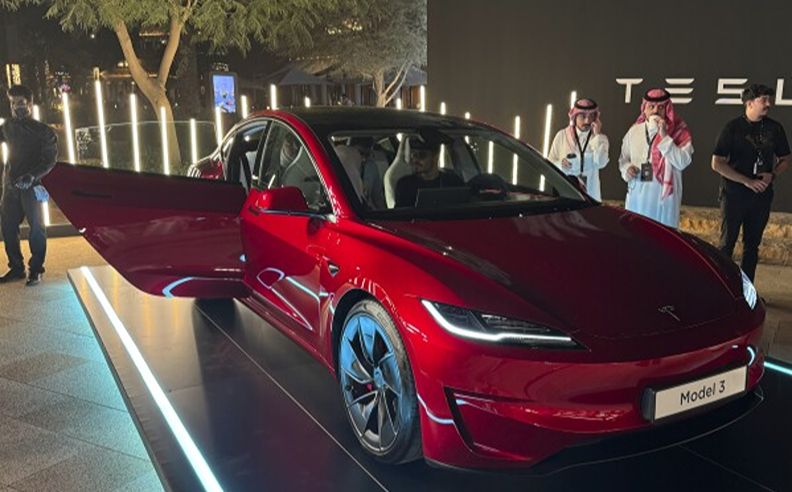
Solar powered cars are no longer just a science fiction fantasy. They are becoming a real solution in the global shift toward clean and sustainable transportation. With zero emissions, potentially unlimited driving range under the sun, and reduced dependency on charging stations, these vehicles are attracting interest from engineers, environmentalists, and electric car enthusiasts alike. The Gulf region, especially the UAE, offers ideal conditions for this technology thanks to its abundant sunlight and high solar radiation levels.
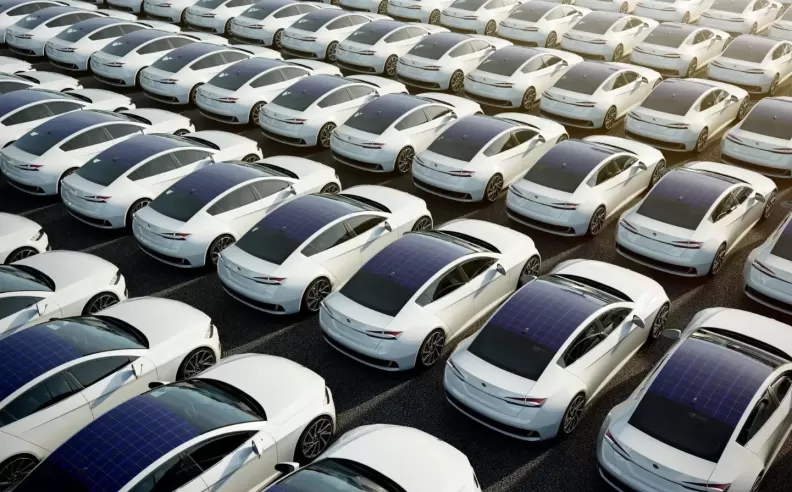
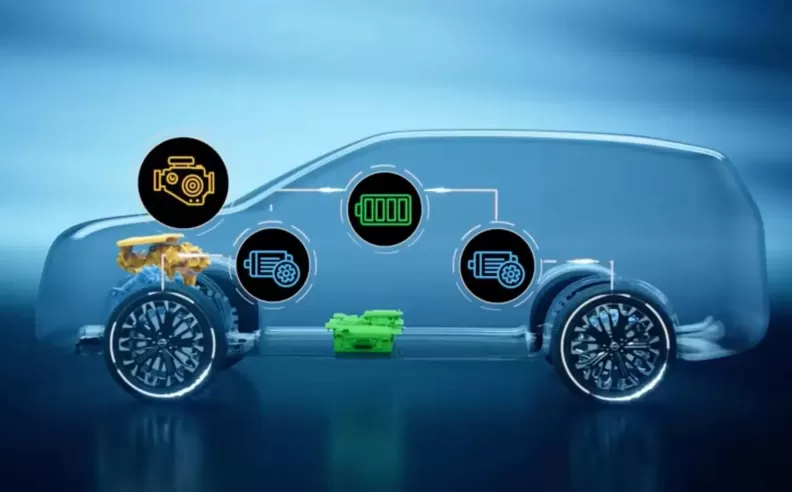
A solar car is equipped with photovoltaic panels that capture sunlight and convert it into electricity. This energy is stored in lithium ion batteries and then powers an electric motor. There are fully solar cars that rely entirely on sunlight, and hybrid solar electric models that combine solar charging with power from the grid. Key components include the solar panels, battery pack, electric motor, and a control unit that manages energy flow between them.
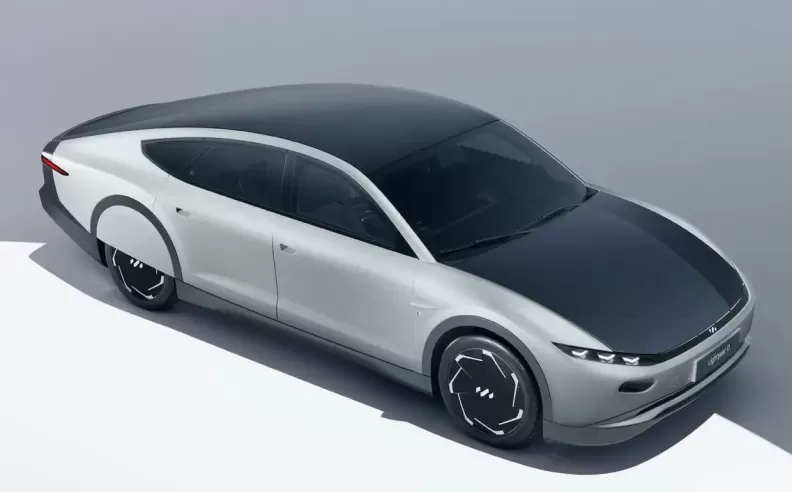
Lightyear, based in the Netherlands, has developed luxury solar vehicles capable of achieving up to 800 km of range. These cars integrate high efficiency solar panels into sleek aerodynamic designs, allowing drivers to extend range simply by parking in the sun. This blend of luxury features, advanced engineering, and sustainable performance is aimed at premium buyers who value innovation as much as comfort.
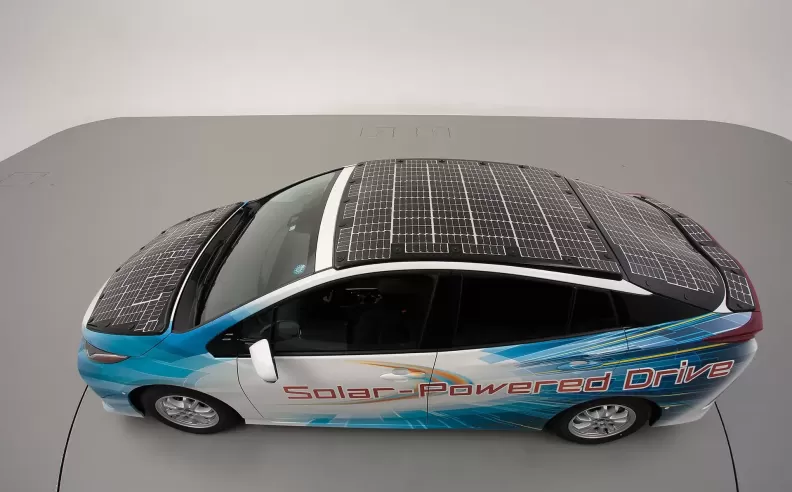
Aptera from the United States has taken a radical approach with a lightweight, three wheeled design that maximizes efficiency. Its solar integration allows a potential range of up to 1,600 km in optimal conditions. The futuristic body minimizes drag, and its low weight means less energy is needed for movement, making it one of the most energy efficient vehicles in the world.
Germany’s Sono Motors is focused on practical mobility with the Sion, a compact hatchback fully embedded with solar panels. Designed for urban and suburban use, the Sion can extend its range daily from sunlight alone, reducing dependency on charging stations. It is built with affordability and convenience in mind, making solar mobility more accessible to everyday drivers.
The next generation of solar cars will benefit from innovations like solid state batteries for higher capacity, flexible solar panels that can curve with vehicle surfaces, and broader integration into commercial electric vehicles. As technology costs decrease and efficiency improves, solar cars could become a mainstream option in the global push for sustainable transport.

Started my career in Automotive Journalism in 2015. Even though I'm a pharmacist, hanging around cars all the time has created a passion for the automotive industry since day 1.


 SHARE
SHARE