Ten years ago, charging an electric car meant hours spent waiting and a lot of anxiety about long trips. Tesla flipped that script with its Supercharger network, building a fast charging infrastructure that now stretches across highways and major cities around the globe. What started as a solution to range anxiety has become a core part of Tesla’s brand, setting new standards for the entire auto industry.
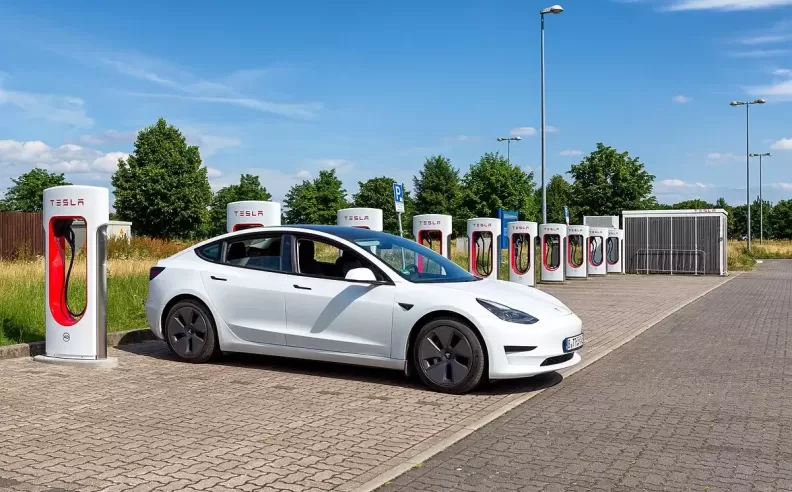
Tesla launched its very first Supercharger stations in 2012, aiming to make long road trips practical for electric drivers. Early Supercharger V2 units could deliver up to 150 kilowatts, adding about 270 kilometers of range in just thirty minutes. V3 followed with a huge boost to 250 kilowatts and cut charging time in half, thanks in part to liquid cooled cables that helped manage heat in tough conditions.
Now, Supercharger V4 takes things further with power that exceeds 350 kilowatts, a taller design to fit a wider range of electric cars, and broader compatibility with charging standards used by Ford, GM, and other major brands. The real innovation is not just in faster power, but also how each station links seamlessly with Tesla’s software. Drivers get real time recommendations on where to charge, current battery status, and even the expected wait time at each location. The Supercharger system became a key reason Tesla owners feel confident hitting the road.
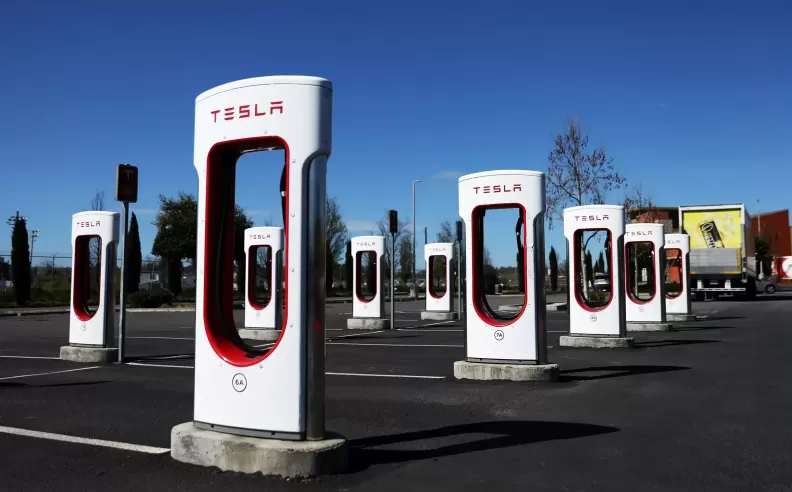
The heart of the Supercharger experience is direct current (DC) fast charging. Instead of routing electricity through the car’s slower onboard charger, the Supercharger station sends high powered DC straight to the battery. The process starts when the charging cable is plugged in. The car and station immediately exchange encrypted data, checking the battery’s state of charge, temperature, and maximum safe intake.
With that information, the system automatically adjusts charging speed for safety and battery life. Most of the fast charging happens when the battery is between ten and fifty percent, slowing down as it approaches full to protect long term health. Tesla uses smart liquid cooling, heat pumps, and sophisticated energy management to keep things in the sweet spot. Many stations can also balance energy use between stalls, so drivers spend less time waiting.
Today, the network is no longer limited to Teslas. Since 2023, Superchargers have started opening up to other electric brands, boosting adoption worldwide and making Tesla’s charging plug a new standard. Supercharger stations are now seen as critical infrastructure, not just for Tesla, but for the entire move toward sustainable travel.

Started my career in Automotive Journalism in 2015. Even though I'm a pharmacist, hanging around cars all the time has created a passion for the automotive industry since day 1.


 SHARE
SHARE