Naming electric cars used to be a game of codes and numbers, but in 2026 the world’s biggest automakers are making a sharp U turn. Volkswagen, Mercedes, Toyota, Audi, and Volvo have all started ditching confusing alphanumeric names for simpler, familiar ones that buyers can actually remember. Here is how the trend is reshaping car showrooms and what it means for anyone shopping for a new EV.
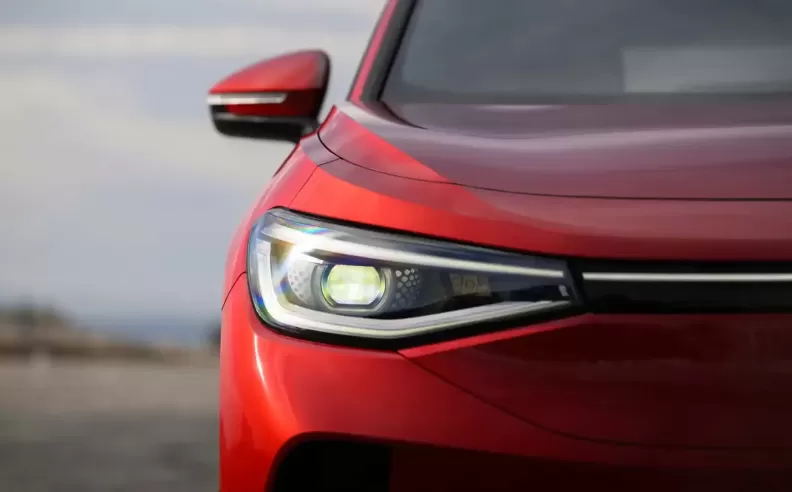
Volkswagen realized drivers want trust and nostalgia, not mystery. After years of branding their electric SUVs with names like ID 4 and ID 7, Volkswagen decided to bring back well known names like Tiguan for its next electric crossovers. The ID 2all concept will turn into the ID Polo when it hits showrooms, linking the electric present to a successful gasoline past. The move ditches numbers in favor of legendary VW model names, making it easier for shoppers to instantly know what size and class the new EVs belong to. For many buyers, a name like Tiguan signals exactly what to expect, cutting out the confusion that made early EV shopping feel like trying to decipher a WiFi password.
It turns out even the luxury leaders made things too complicated. Mercedes launched long names like G580 with EQ Technology, which were hard for buyers to say, spell, or even remember. Now, Mercedes is simplifying the formula, keeping classic names with just a simple “Electric” at the end if needed. Toyota has also gone back to basics, changing odd names like RAV4 Prime to RAV4 Plug In Hybrid and shifting the strange bZ4x badge toward a more mainstream bZ focus. These moves are about regaining trust and making the transition to electric less intimidating.
Audi tried splitting even numbers for EVs and odd numbers for gasoline cars, but recently reversed course. Now, new electric Audis simply add E Tron to match their gasoline counterparts, making it easier for everyone to follow. Volvo took a different path, renaming the XC40 Recharge to EX40 and creating a full EX line (EX30, EX90) for electric models, while keeping the XC badge for traditional engines. The point is clear— car makers want EVs to feel less like a science experiment and more like the cars buyers already know and love.

Started my career in Automotive Journalism in 2015. Even though I'm a pharmacist, hanging around cars all the time has created a passion for the automotive industry since day 1.


 SHARE
SHARE