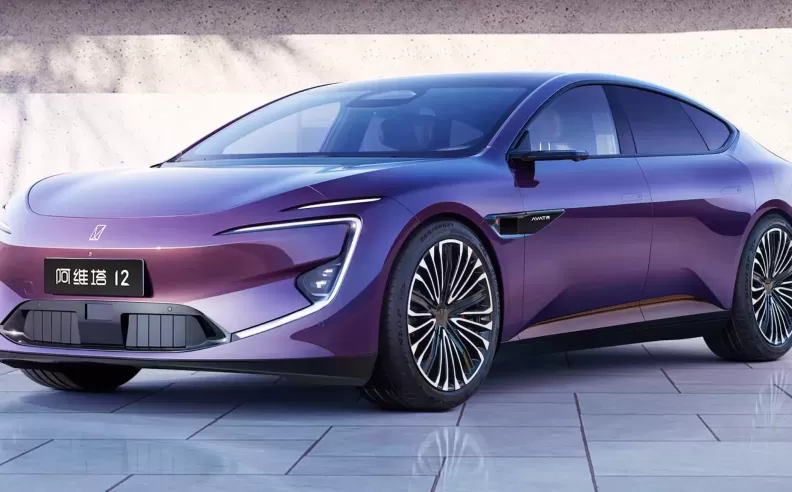
This year has seen a major shift in the global car market as hybrid and plug in hybrid vehicles quickly rise as the practical middle ground between gas and fully electric cars. Even with the growth of fast DC chargers and smoother electric power, pure EVs are not the right fit for everyone. That is why hybrids have become the go to choice for drivers who want to save on fuel without giving up convenience.
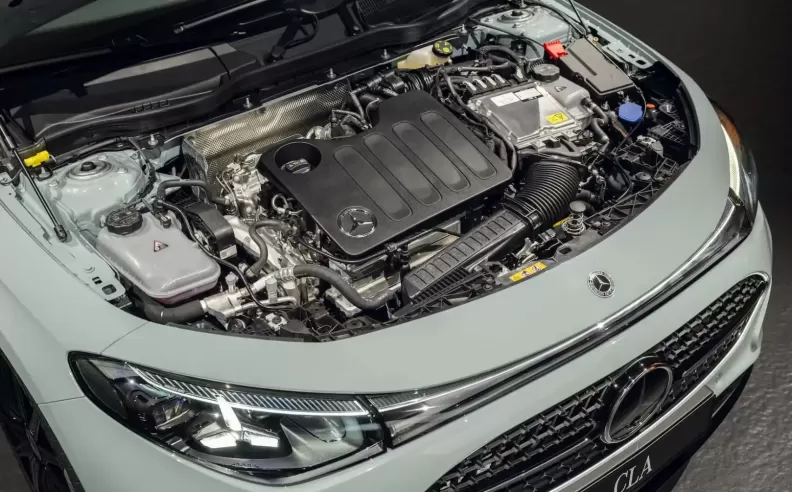
Hybrid cars are stepping up as the smart temporary fix for drivers worldwide. Pure electric vehicles are still pricey, and not everyone can charge at home or access affordable charging. Apartment dwellers and drivers who rack up long highway miles face real challenges with charging, while fast charging is not always cheap or convenient.
Hybrids offer less fuel use and lower emissions than gasoline cars, usually for a lower purchase price than electric models. You do not need to change your daily habits or worry about running out of battery. Data from the US Energy Information Administration shows that in early 2025, twenty two percent of new light cars in the United States were hybrid or plug in hybrid, up from eighteen percent the year before. In Europe, hybrids now outnumber both gasoline and diesel sales with a thirty five percent market share. Even in China, the world leader for EVs, hybrids are growing outside the big cities. Most drivers pick hybrids for their practical savings and the fact that you just fill up and go.
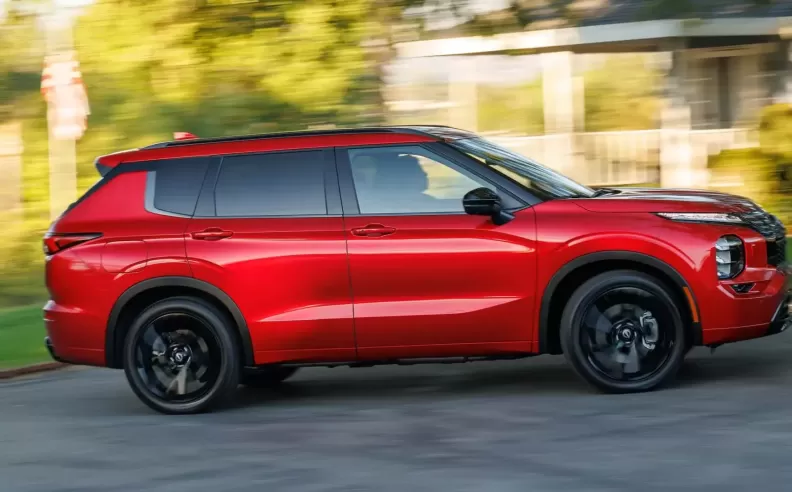
Automakers around the world are now reworking their electric roadmaps, hitting pause on all electric plans and doubling down on hybrids. Many companies are delaying or even canceling some of their pure EV models, shifting investment into flexible hybrid platforms that allow for more options and lower costs. Brands like Toyota, Hyundai, Kia, Nissan, and Porsche are pouring billions into hybrid systems that fit right into existing car lines.
This new approach means buyers will see more choices, better prices, and a wider range of hybrid vehicles by 2026. The US Environmental Protection Agency says most hybrids pay off their price difference in around three years through lower fuel bills. Plug in hybrids work well for drivers who can charge at home but do not want to go fully electric. Still, experts agree that hybrids are a bridge technology. Over the next decade, cheaper electric cars, better batteries, and stronger charging networks are expected to arrive. Until then, hybrids are the most practical answer on the road.

Started my career in Automotive Journalism in 2015. Even though I'm a pharmacist, hanging around cars all the time has created a passion for the automotive industry since day 1.



 SHARE
SHARE