The electric vehicle market is booming, but all that variety is not working out how people expected. Even as automakers flood the market with new electric models, most buyers are still choosing just a few favorites, leaving dozens of options ignored on showroom floors. This surprising trend is raising big questions for car brands and shoppers alike.
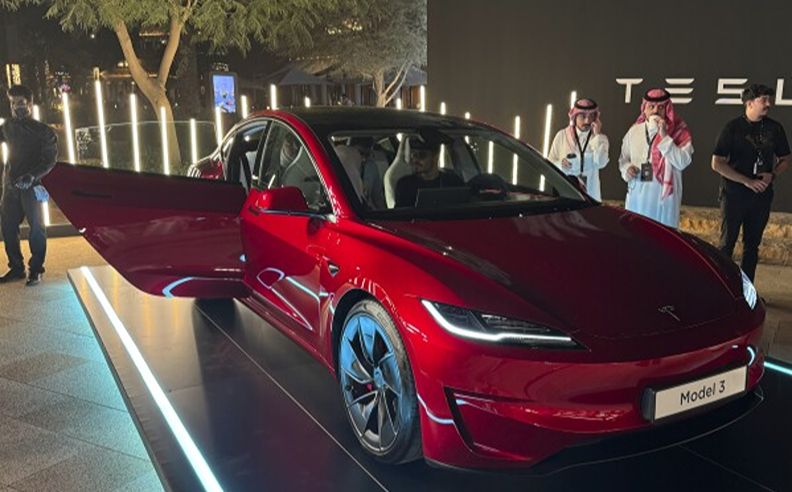
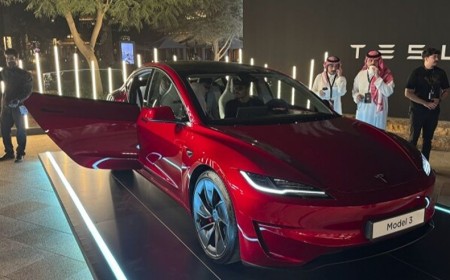
Most of today’s EV sales are concentrated in just a handful of models. According to industry data, out of nearly ninety electric cars available in the United States, only ten broke the ten thousand sales mark last quarter. The big winners are names like Tesla Model Y and Model 3, which prove that when an EV gets things right: price, range, tech, and reputation, it dominates demand.
For most other brands, offering more models has not led to better sales. Many of these cars are either too expensive, less comfortable than their gas powered versions, or simply do not stand out. The real issue is not that people are against buying EVs. It is that most of the available choices are not competitive enough to win buyers over.
You would think more options make things better, but in the world of electric cars, too many choices often create confusion. The EV market is still pretty small, making up just about ten percent of all car sales. Flooding the space with models that are just average does not help.
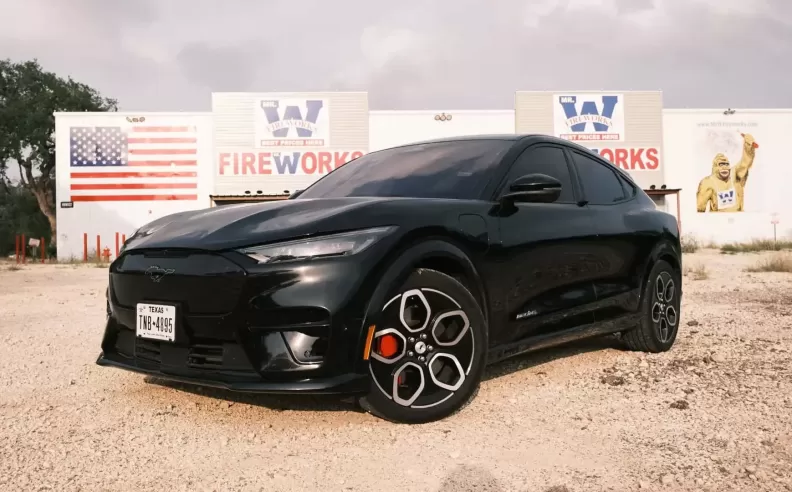
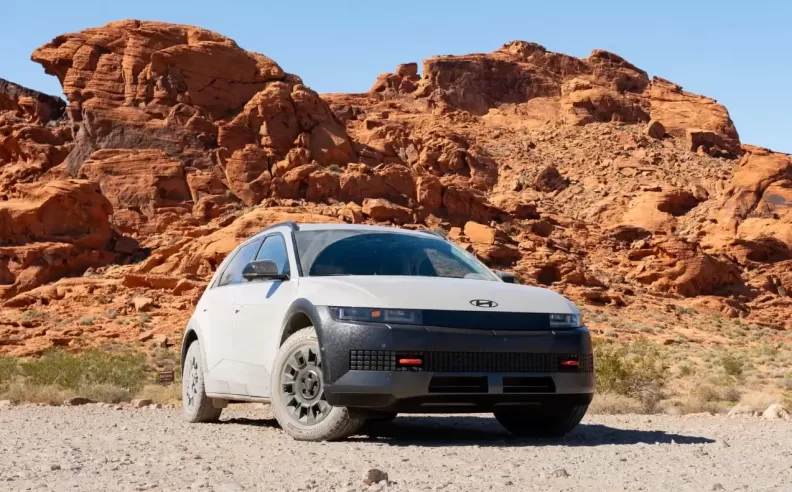
Buyers get overwhelmed, lose confidence in new or unproven models, and sometimes end up paying more because companies cannot build enough of any one car to keep costs down. What works better is picking one strong electric model and focusing on making it truly attractive, affordable, and easy to trust. That is why cars like the Hyundai Ioniq 5 and Ford Mustang Mach E are succeeding. For shoppers, quality beats quantity every time.

Started my career in Automotive Journalism in 2015. Even though I'm a pharmacist, hanging around cars all the time has created a passion for the automotive industry since day 1.


 SHARE
SHARE