Automotive safety has been a journey of constant progress, with each new feature aiming to make our roads safer and save lives. From the earliest crash protection concepts to today’s advanced driver-assist systems, each innovation has played a role in preventing accidents and protecting drivers and passengers. Here are ten of the most important automotive safety features that have revolutionized the industry and continue to keep us safe every day.
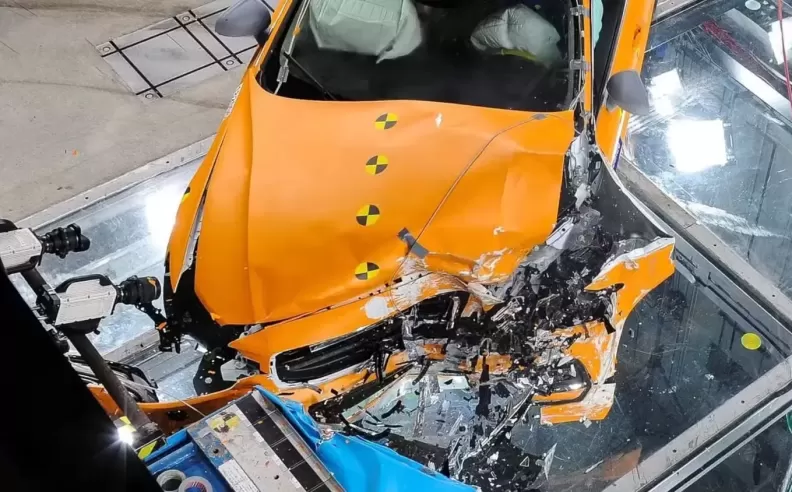
First introduced by Mercedes-Benz in 1937, crumple zones are sections of a car designed to deform and absorb energy during a collision. This design protects passengers by diverting crash forces away from the cabin. Engineer Bela Barenyi patented the idea, which became a standard in automotive safety, making crashes less deadly and more survivable.
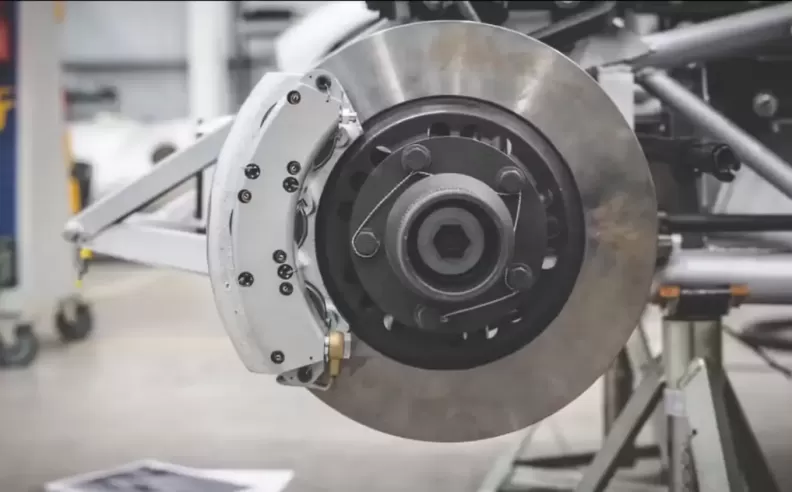
Disc brakes marked a major leap forward in stopping power and reliability. While the concept dates to the 19th century, disc brakes appeared on production cars with the Citroen DS in 1955. They offer more consistent and effective braking than drum brakes, especially under hard use, and are now the industry standard.
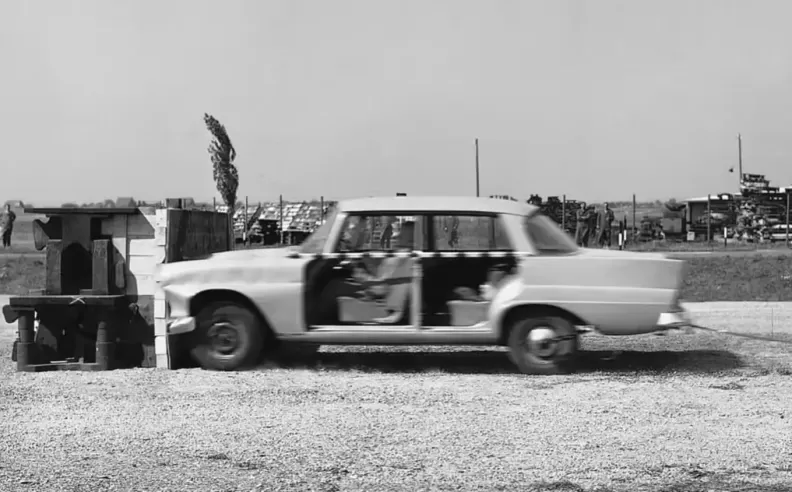
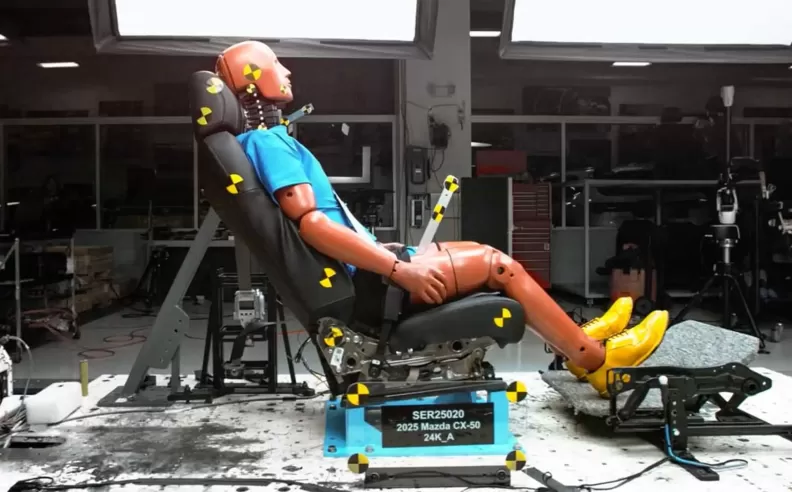
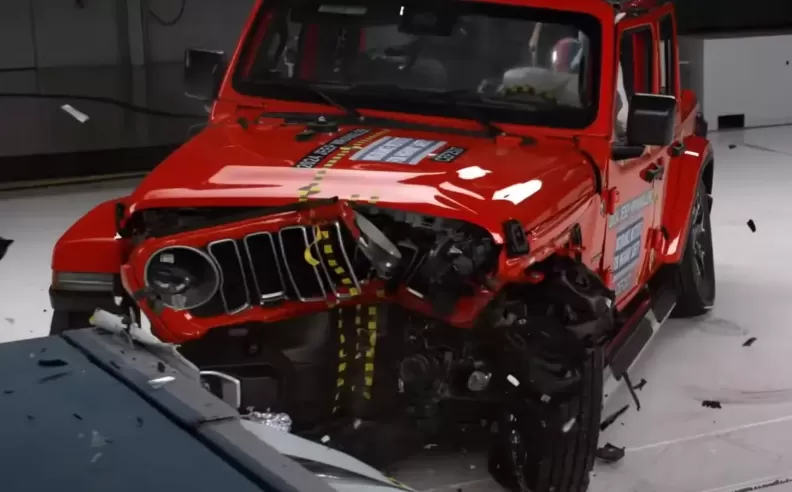
Systematic crash testing began in 1959, led by Mercedes-Benz at its Sindelfingen facility. Although General Motors conducted earlier barrier tests, Mercedes pioneered a scientific approach to testing, allowing automakers to analyze how vehicles handle impacts. Today, crash testing is crucial for rating car safety and driving industry improvements.
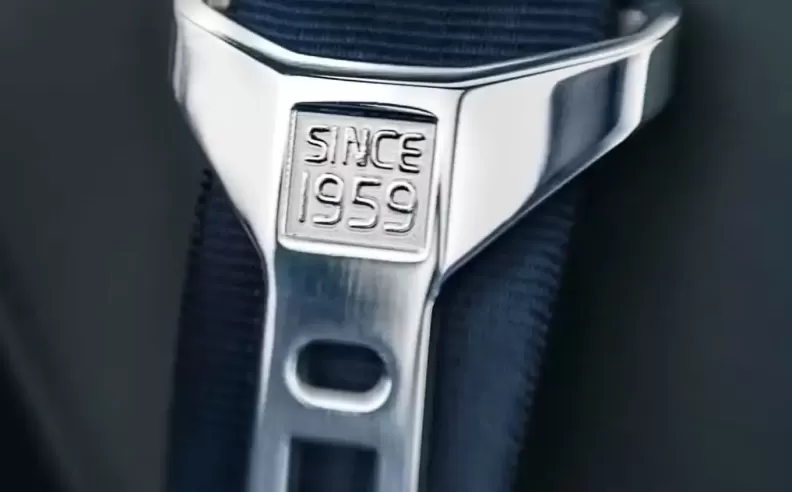
In 1959, Volvo introduced the three-point seatbelt designed by engineer Nils Bohlin. Unlike older lap belts, this design secures the upper and lower body, significantly reducing the risk of serious injury or death in a crash. Volvo famously shared its patent to help save lives around the world, and the three-point seatbelt remains a core safety feature in every car.
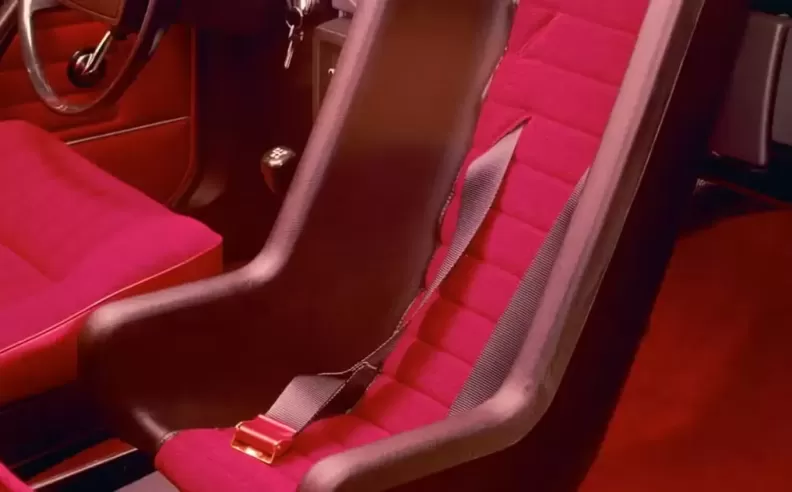
Volvo set another safety milestone in 1972 by launching the rear-facing child seat. Inspired by astronaut seating, this design spreads crash forces across a child’s back, offering far better protection in collisions. It quickly became the accepted standard for transporting young children safely.

Started my career in Automotive Journalism in 2015. Even though I'm a pharmacist, hanging around cars all the time has created a passion for the automotive industry since day 1.



 SHARE
SHARE