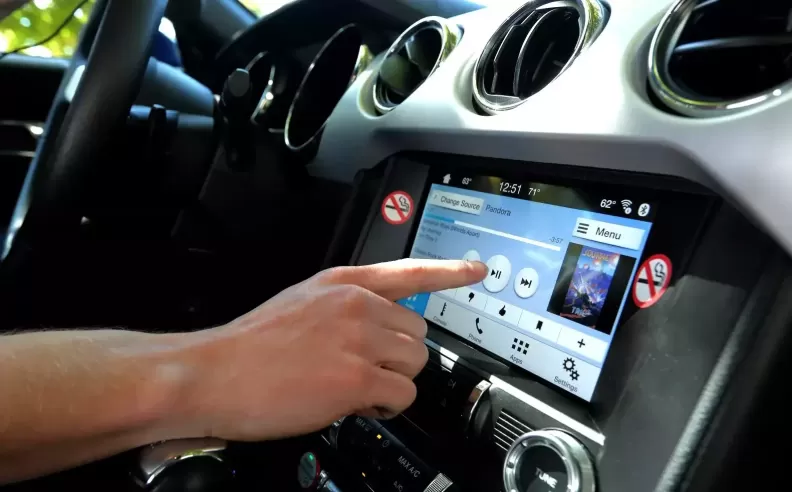
Touchscreens have taken over modern car interiors, replacing physical buttons with sleek glass panels that promise cleaner looks and more tech appeal. But according to new research by the University of Washington and Toyota Research Institute, they may also be putting drivers at serious risk. The study reveals how everyday touchscreen tasks, like adjusting the volume or replying to a message, are pulling drivers’ attention away from the road in dangerous ways. It’s not just annoying anymore, it’s a proven hazard.
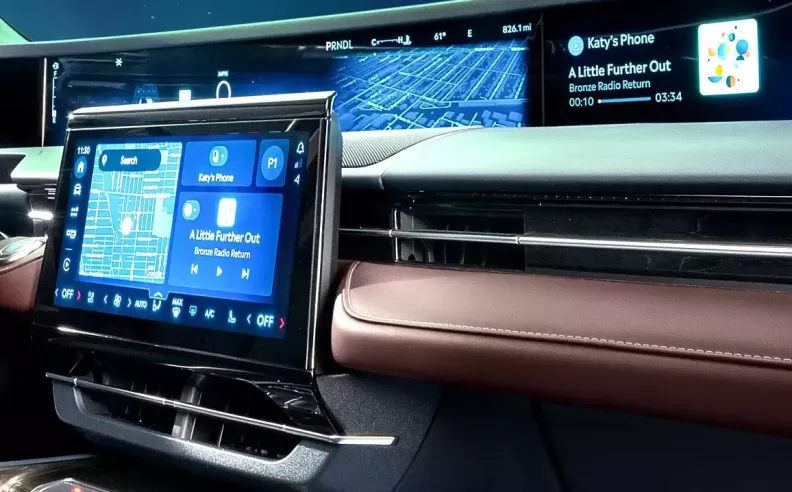
In a simulated city driving environment, participants were asked to perform common touchscreen actions while navigating. These weren’t complex activities like texting or browsing social media. They were routine in car tasks like switching audio tracks, managing navigation, or answering calls. The study found that doing just one of these tasks while driving caused pointing speed and accuracy to drop by 58 percent. Lane control got worse too, with deviation increasing by over 40 percent. The key problem? These tasks require drivers to look away from the road, engage their memory, and coordinate fine motor skills all at once. That’s a lot of cognitive load for anyone, especially behind the wheel.
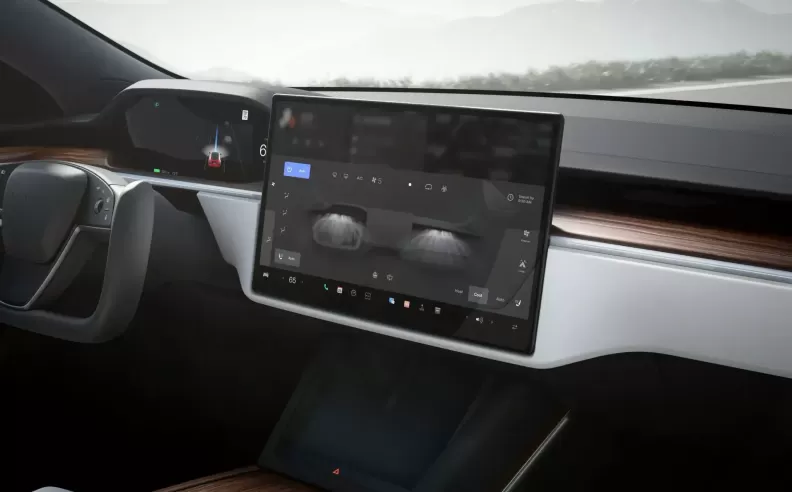
Going back to physical buttons might sound ideal, but most manufacturers have already gone all in on digital screens. Thankfully, the study suggests ways to make current systems safer. One fix is cutting down the number of menu layers needed for common tasks. For example, functions like changing the AC or skipping a track should be accessible at all times, not buried behind multiple swipes. Another idea is dynamic interfaces that adapt based on driving conditions. If the system detects high mental strain through eye or hand tracking, it could temporarily disable nonessential features or suggest the driver refocus. Ultimately, the research recommends designing touchscreen systems based on how real drivers behave, not idealized scenarios in a design lab.
Touchscreens aren’t going away, but how they’re used in cars needs to change. This study brings real numbers to a growing concern many drivers already feel: screens can be a real danger when they demand too much attention. With smarter software and better user experience design, automakers might be able to keep the tech we love without putting drivers at risk. For now, though, the safest move is probably to keep your hands on the wheel and your eyes off the menu screen.

Started my career in Automotive Journalism in 2015. Even though I'm a pharmacist, hanging around cars all the time has created a passion for the automotive industry since day 1.



 SHARE
SHARE