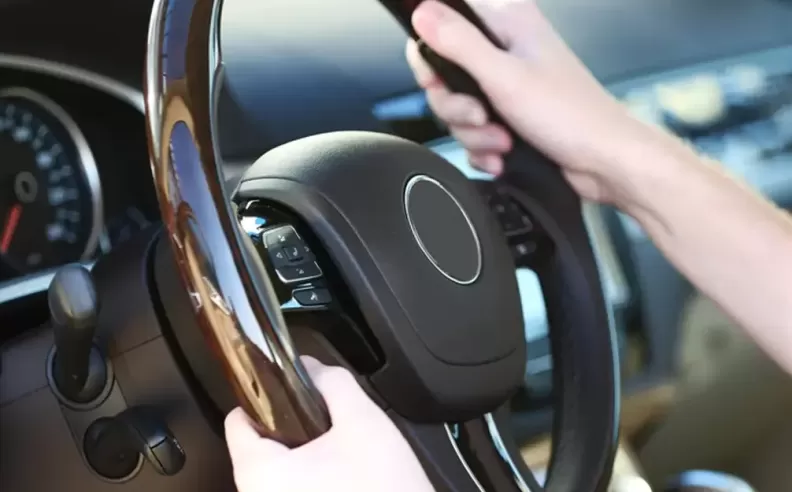
Steering is more than just a mechanical link between you and the road, it’s the system that translates your intent directly to your car’s wheels. If your steering wheel suddenly feels heavy or unresponsive, it’s not just an inconvenience, it could be a sign of a deeper issue. With today’s cars moving from traditional hydraulic setups to smart electric systems, understanding the differences is key to diagnosing and fixing that heavy steering feeling.
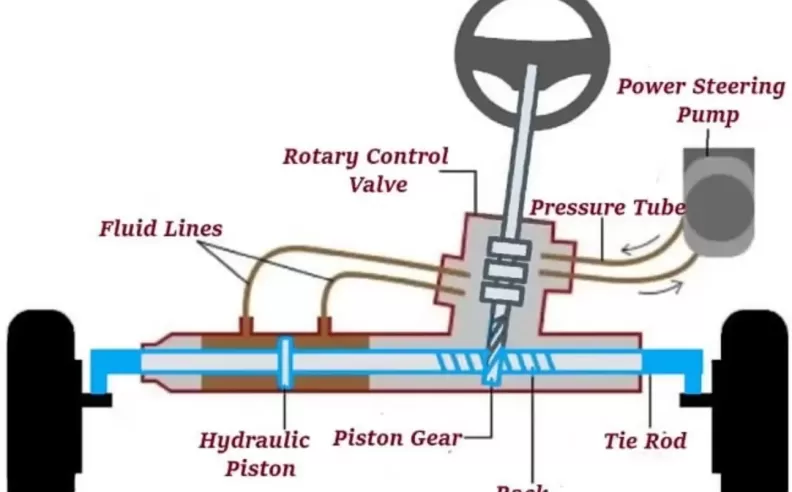
Hydraulic power steering relies on pressurized fluid to make turning the wheel feel light and easy. When things go wrong, you’ll feel it immediately. The most common culprit is the pump. If its blades wear out or the belt snaps, you lose hydraulic boost and the steering gets seriously heavy. The steering rack, often called the steering worm, can also be an issue. Worn seals or built up grime slow down response and make the wheel stiff. Leaking or overheated fluid is another big one, especially if you drive in places with extreme heat. Low or dirty fluid loses its pressure transfer ability and can even make a whining sound when you turn.
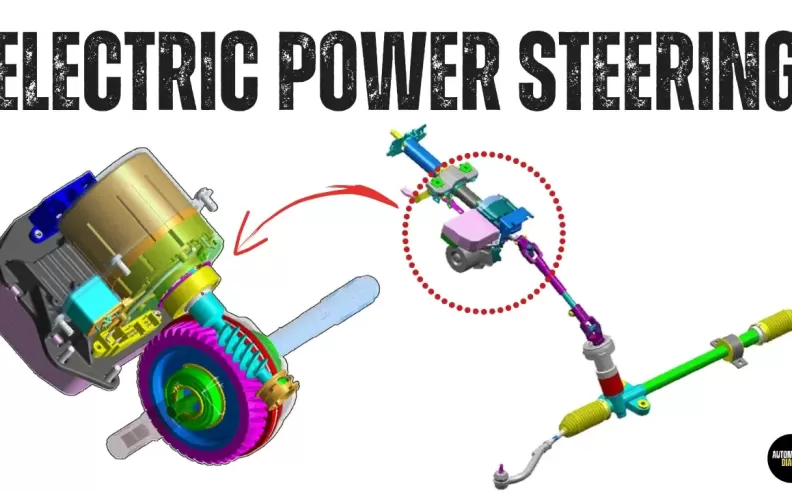
Modern cars are switching to electric power steering, ditching fluid for an electric motor and sensors. This setup is a lot more efficient and only draws power when you actually turn, helping save fuel. But when the wheel suddenly gets heavy, it’s usually about electronics. Common causes include a failed torque or speed sensor, a weak battery or alternator, or a blown steering fuse. There’s no fluid here, so it’s mostly down to sensors and wiring. Electric systems are easier to maintain overall, but when they go wrong, you’ll likely need a scan tool to pinpoint the fault.
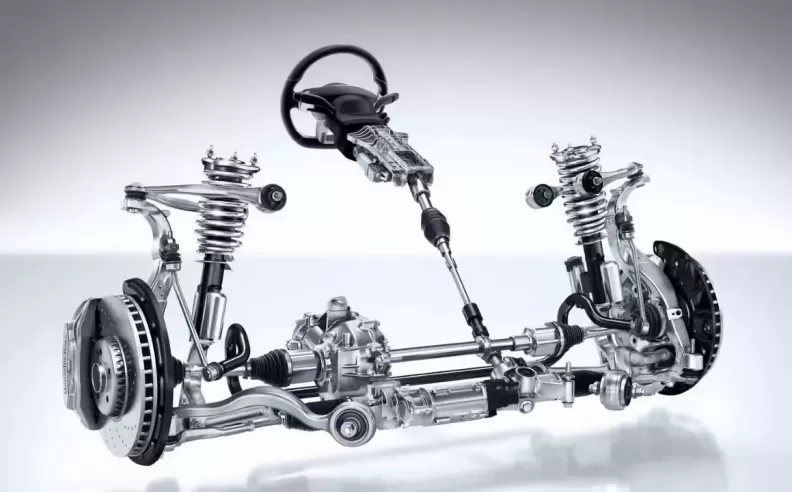
Extreme heat and dust can have a real impact on both steering systems. In hydraulic setups, rubber seals dry out and dust can get inside, causing friction and resistance. If you skip regular fluid changes, the steering oil can get thick and sticky, hurting the pump and making things worse. Even something as simple as low tire pressure can trick you into thinking the steering system is failing, because more tire on the road means more resistance at the wheel.
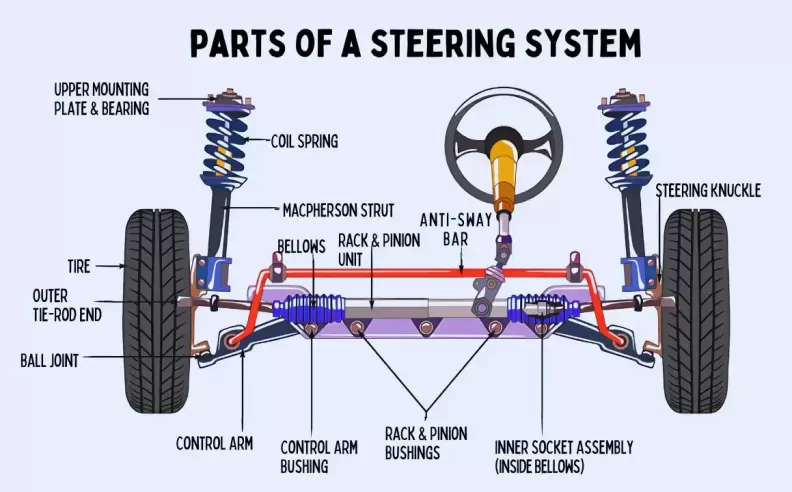
If you want fewer headaches and less maintenance, electric power steering is the clear winner. It has fewer parts and no fluid to leak or replace. On the other hand, many driving enthusiasts swear by the feel of a hydraulic system, which gives more feedback and road texture through the wheel. Electric steering can feel soft or artificial to some, but for most daily drivers, the simplicity and fuel savings are hard to beat.

Started my career in Automotive Journalism in 2015. Even though I'm a pharmacist, hanging around cars all the time has created a passion for the automotive industry since day 1.




 SHARE
SHARE