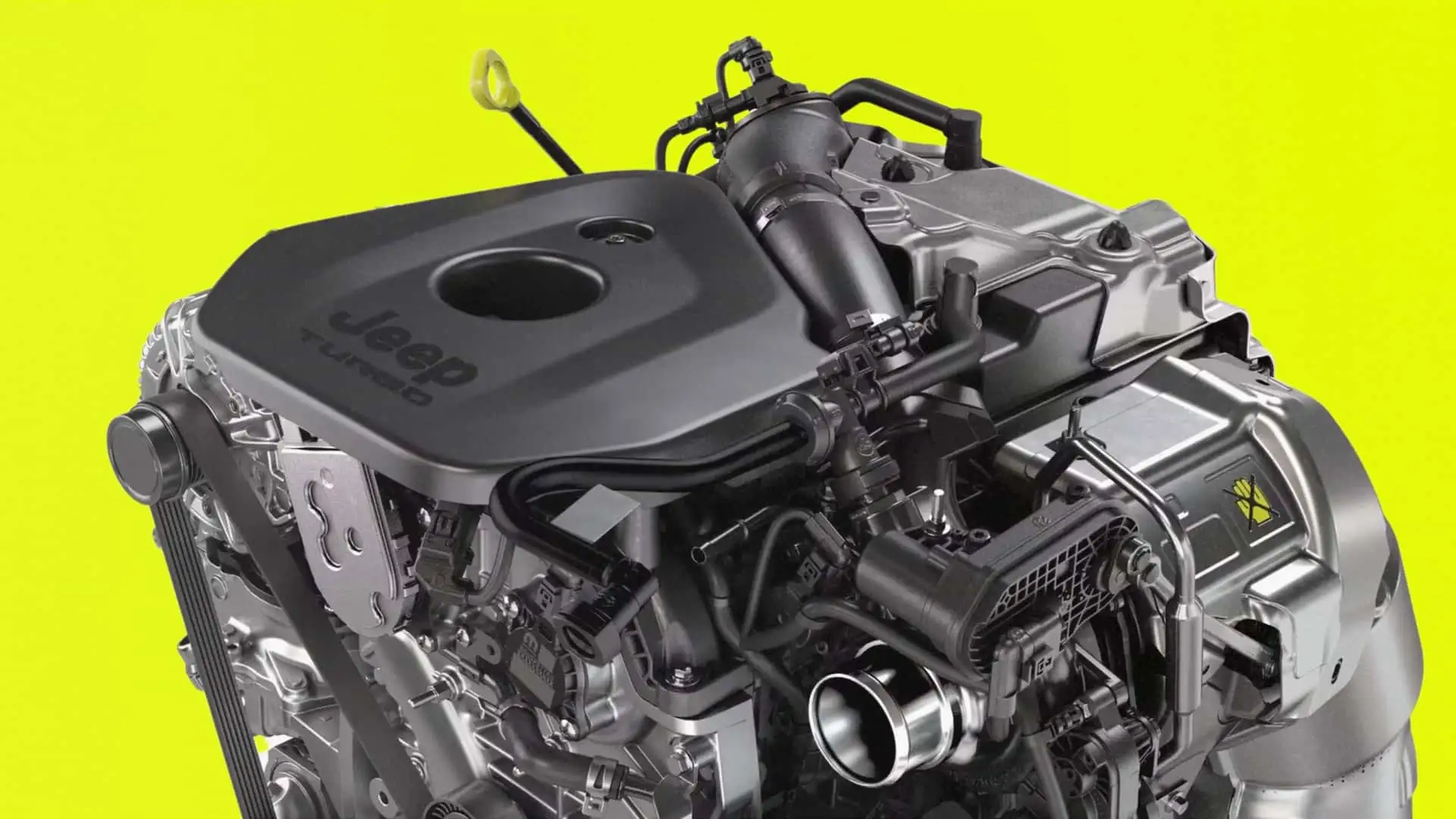
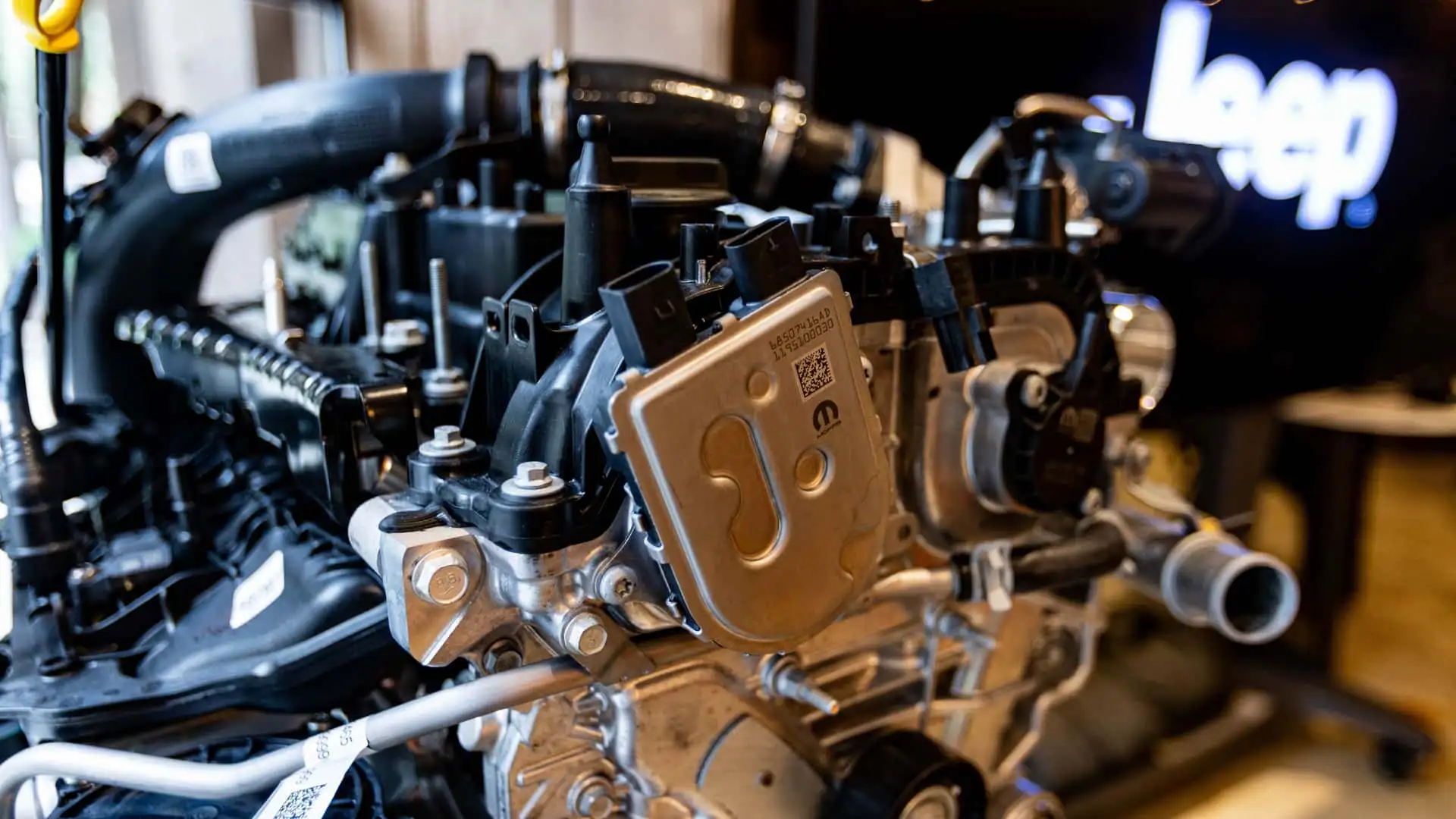
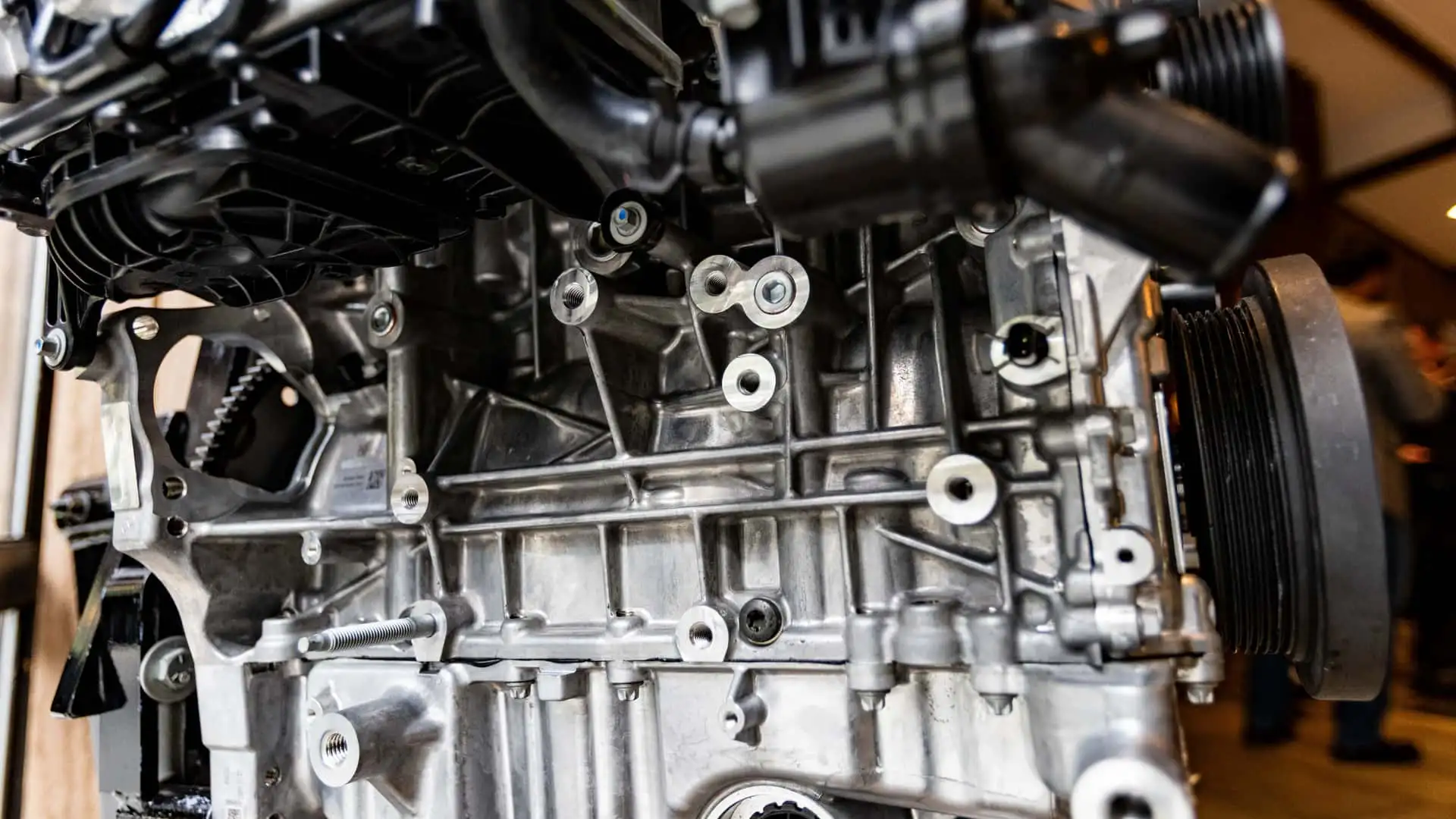
New engines rarely feel exciting right now, especially with electric and hybrid headlines everywhere. Still, Jeep’s Hurricane 4 manages to sound genuinely extreme on paper and even wilder once the details show up. It is a turbocharged 2.0 liter four cylinder rated at 325 horsepower, which sounds simple at first, but the engineering stack underneath is what makes it stand out among modern production fours.
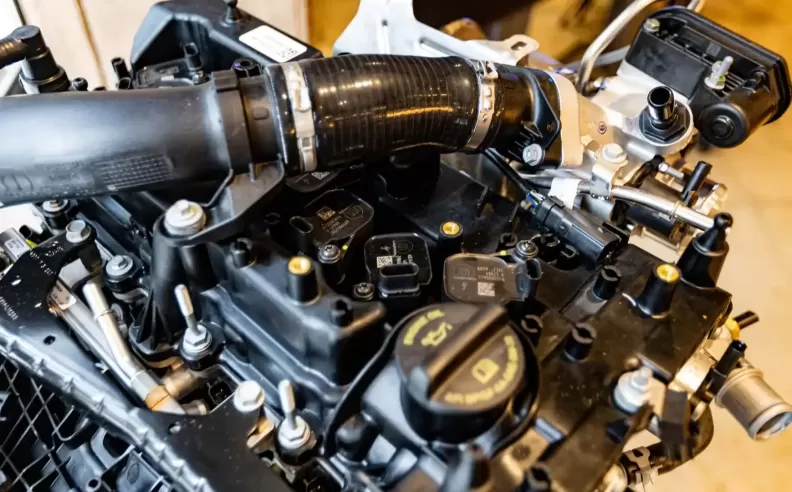
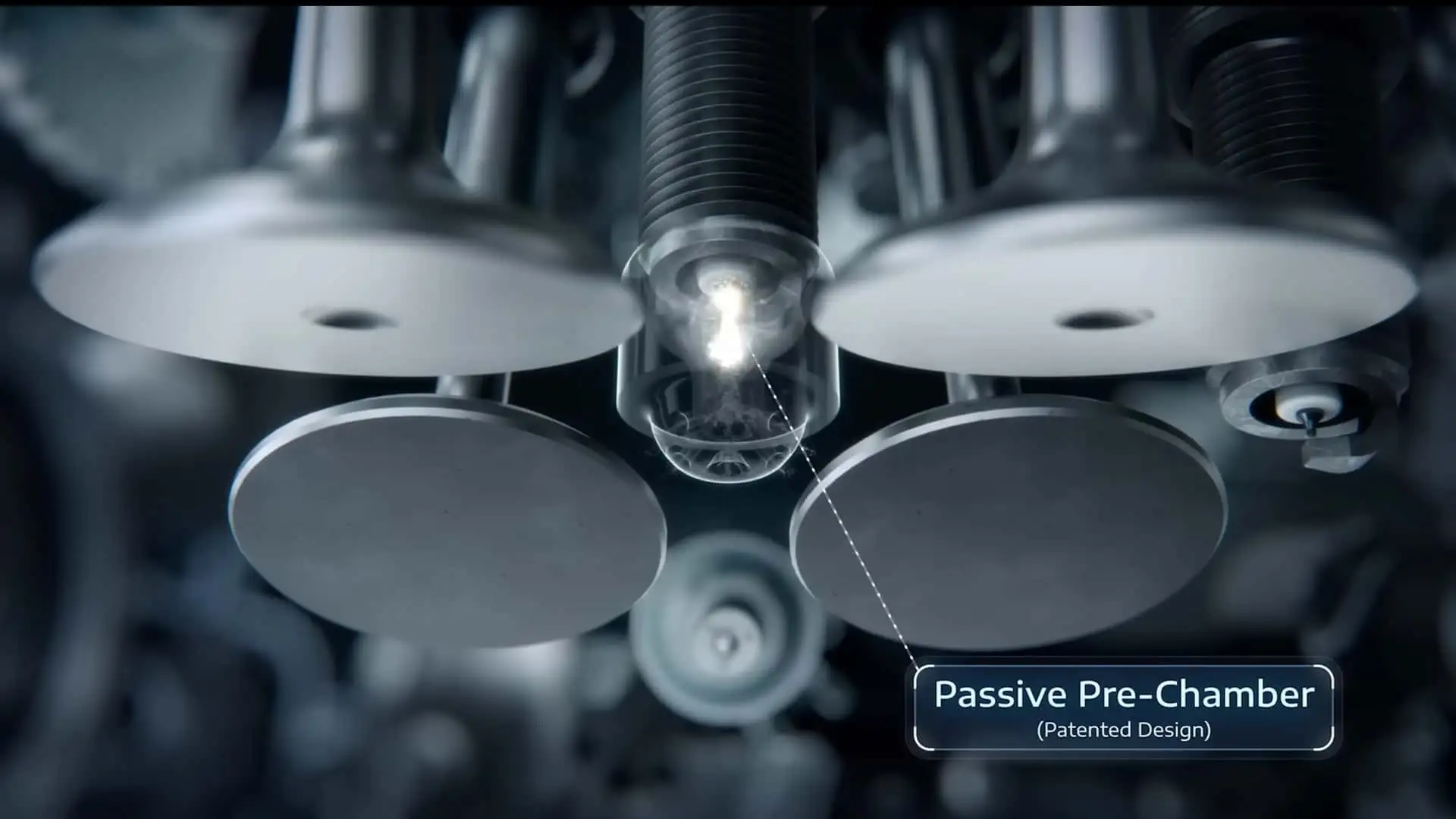
Use pre chamber combustion to squeeze more usable energy out of each burn, and the Hurricane 4 starts to look like something pulled from motorsports thinking. Jeep calls it Turbulent Jet Ignition (TJI), and it works by adding a small chamber inside the combustion chamber where the fuel air mixture can prepare more effectively before ignition. Pair that with a dual injection setup, using direct injection as the main system and port injection to support it, and the engine gets multiple ways to control mixture quality. Add twin spark ignition and the system gets even more purposeful, since one spark plug fires the pre chamber while another supports combustion in the main chamber when needed, including higher load situations. Aim for efficiency as well as power, and the result becomes easier to understand, especially with an EPA estimated 27 mpg highway figure mentioned for the Grand Cherokee, a vehicle that is not exactly shaped like a small sports coupe.
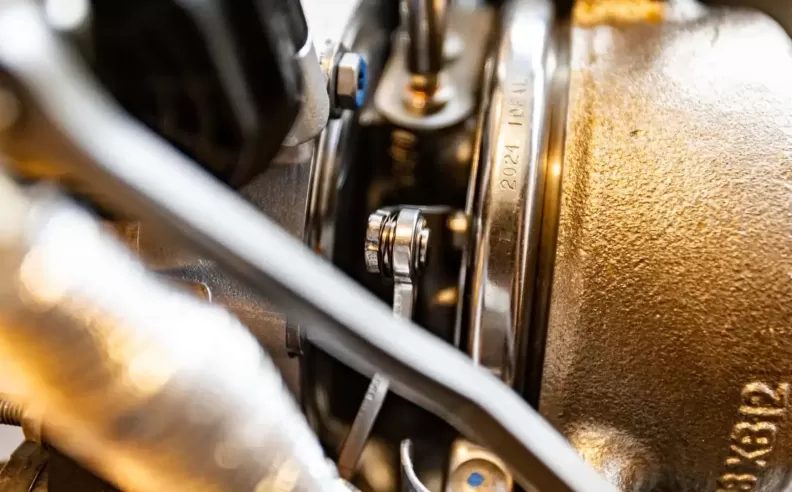
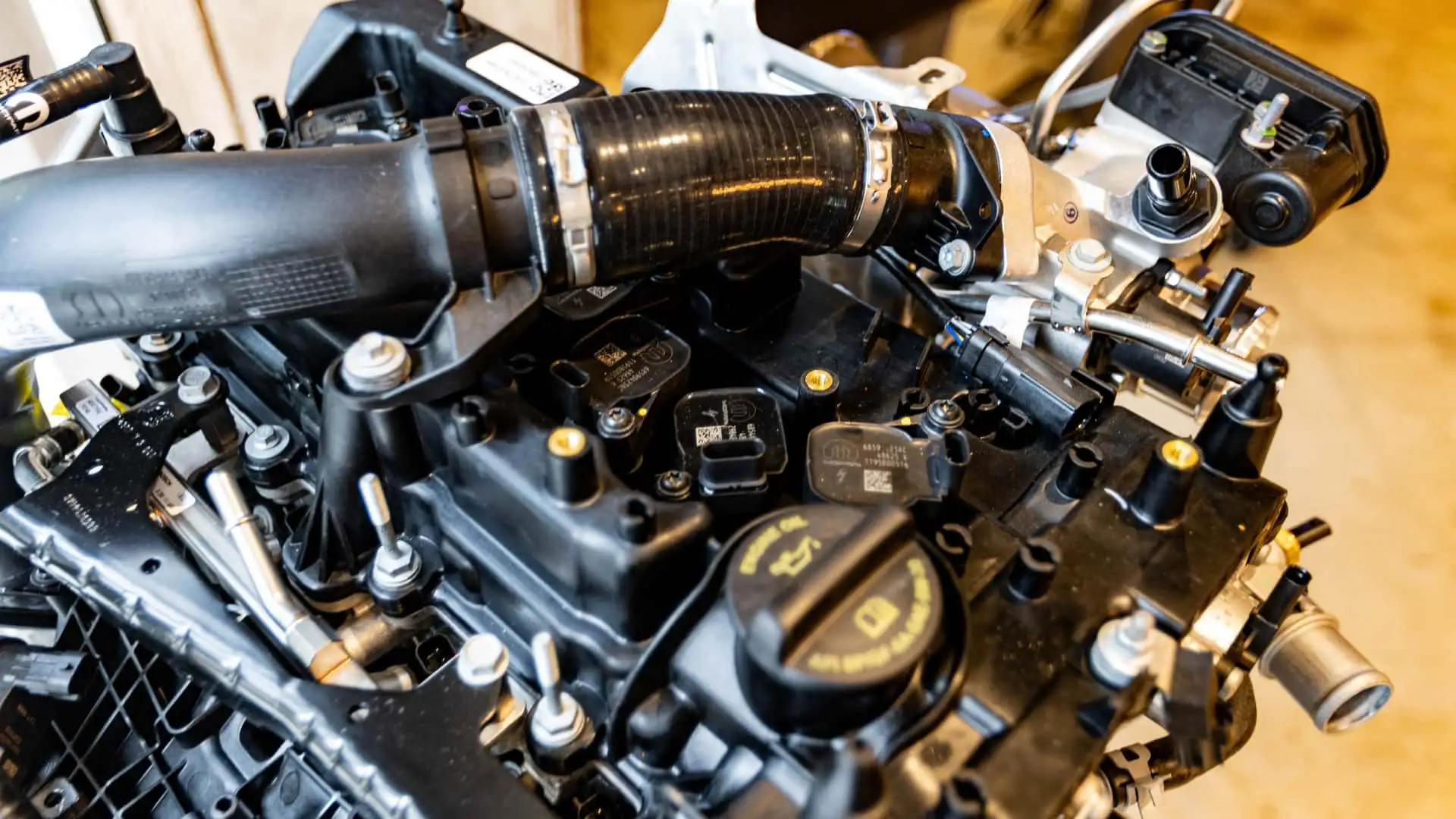
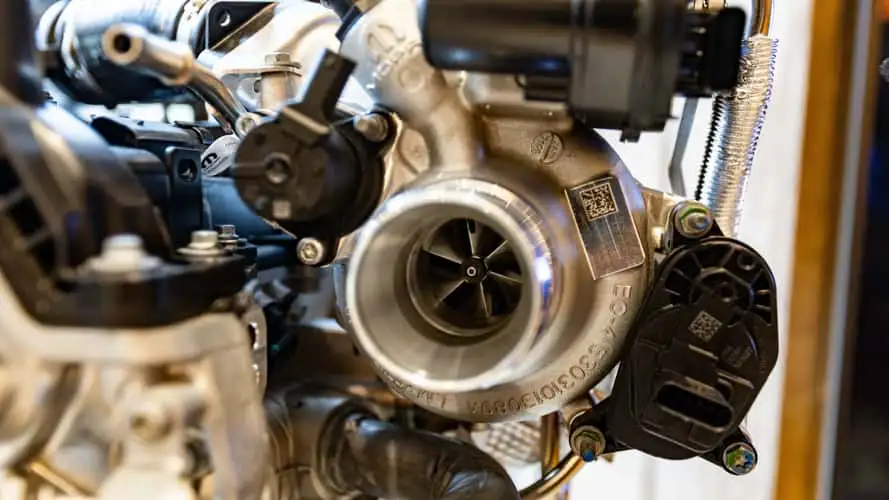
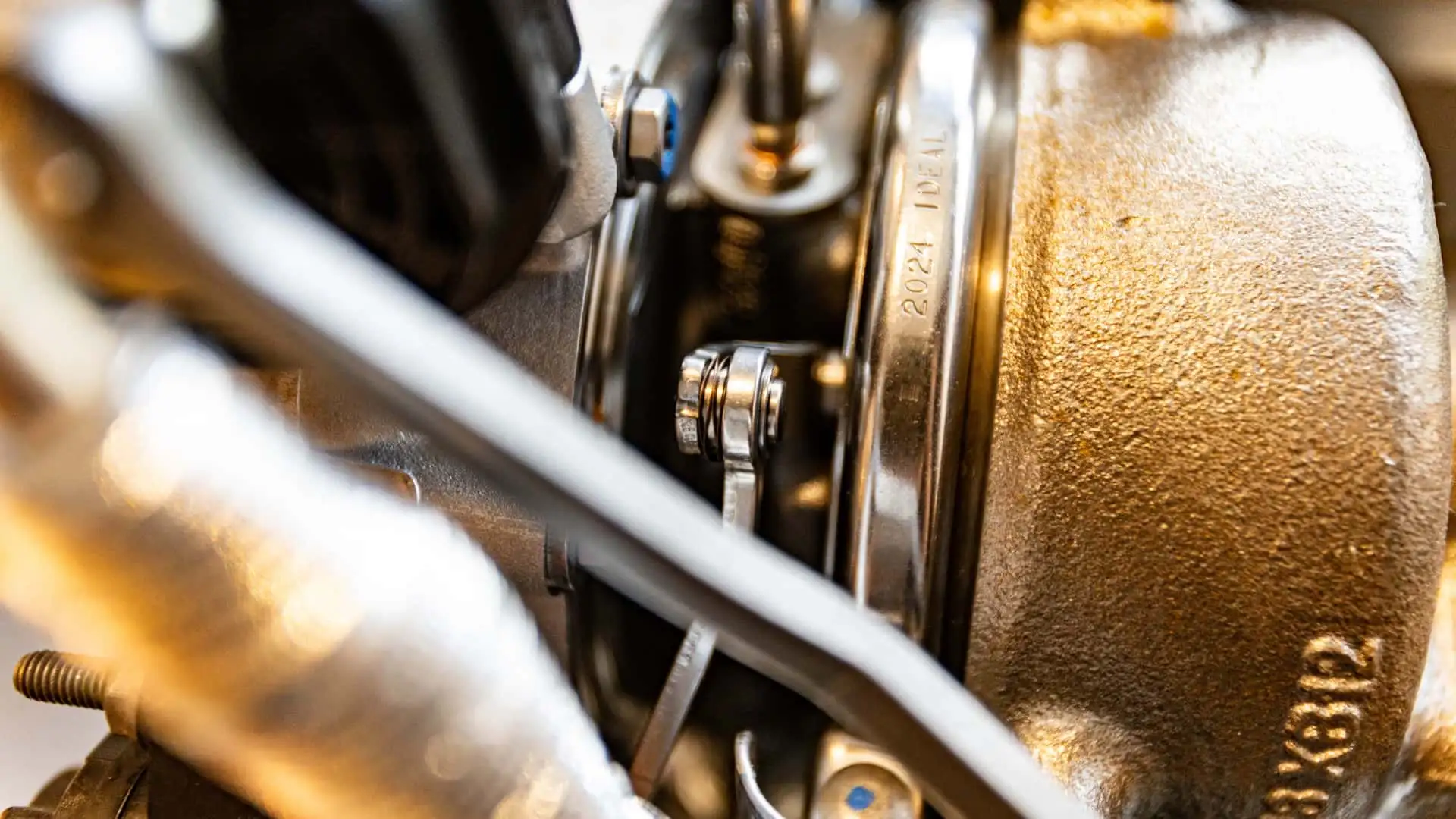
Use a variable geometry turbo to manage exhaust energy more actively, and the Hurricane 4 gains both responsiveness and control. Jeep uses a VGT with an actuator that moves vanes inside the exhaust housing, adjusting how exhaust gas hits the turbine. Keep the hardware relatively modest, with a 55 millimeter compressor wheel and a 50 millimeter turbine wheel, yet allow it to support up to 35 psi of boost at peak, and the package starts to sound serious. Improve transient response, meaning quicker reaction when the throttle gets a quick tip in, and the VGT can light the turbo faster while also helping manage efficiency during cruise. Add cold start benefits, since controlling exhaust energy can help warm the catalytic converter sooner, and the choice becomes even more interesting for a gasoline engine. Support the whole system with details like an electric intake cam phaser for smoother start stop behavior, Miller cycle operation to keep intake valves open longer for efficiency, and a compact water to air intercooler backed by a front mounted heat exchanger, and the full setup reads like a carefully optimized performance and efficiency play rather than a basic base engine. Describe the on road feel as willing in a big SUV with minimal turbo lag but a powerband that prefers mid to higher revs, and it becomes easy to see why this engine feels like a bold technical swing.

Started my career in Automotive Journalism in 2015. Even though I'm a pharmacist, hanging around cars all the time has created a passion for the automotive industry since day 1.


 SHARE
SHARE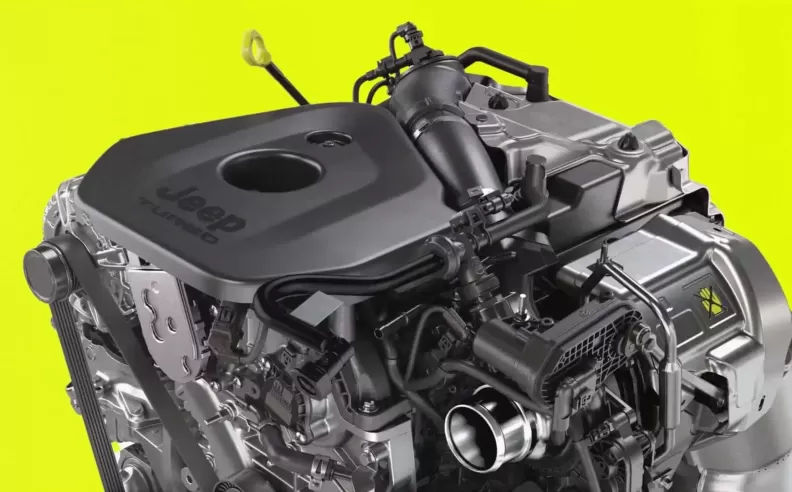
 SEE FULL GALLERY