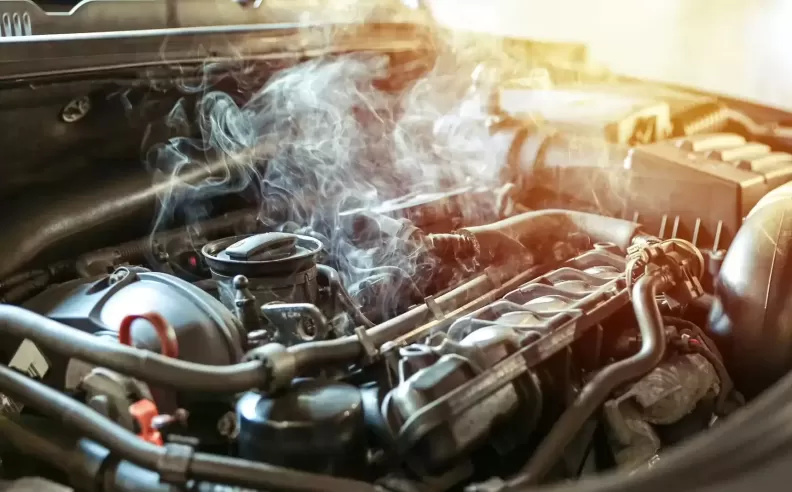
Modern engines in 2026 are smarter, lighter, and more efficient than ever. But they are also less forgiving. Experts in automotive maintenance are warning drivers about a dangerous misconception: a single engine overheating event can quietly start the countdown toward serious mechanical failure. Many drivers see the temperature gauge return to normal and assume everything is fine. In reality, hidden internal damage may already be spreading through seals, gaskets, and cooling components without any obvious warning.
When an engine temperature rises beyond its safe range, the cooling system is not the only part under stress. Every plastic and rubber component inside the engine bay begins to suffer. Rubber seals and O rings harden under excessive heat and lose their flexibility. Once that elasticity is gone, microscopic leaks can begin forming even if no fluid is visibly dripping.
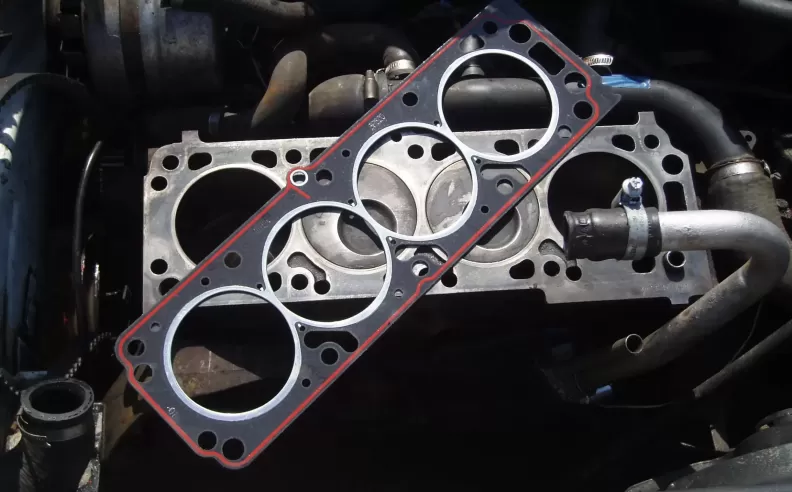
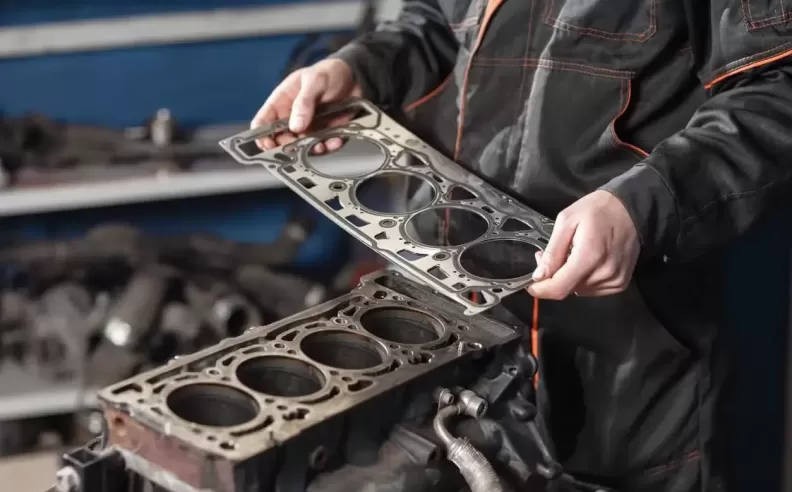
Excess heat also affects the head gasket, one of the most critical sealing components in any engine. Because aluminum and steel expand at different rates, uneven expansion reduces the clamping force that keeps the cylinder head sealed. That weakening does not always cause immediate failure, but it sets the stage for future problems. Over time, combustion pressure can slip past the damaged gasket and create internal coolant leaks.
Boiling coolant creates air pockets inside the system. These air bubbles prevent proper heat transfer from hot engine surfaces. At the same time, the chemical additives inside the coolant begin to break down once they are overheated. When those additives degrade, corrosion protection weakens and internal metal components become more vulnerable.
Modern engines rely heavily on lightweight aluminum and reinforced plastics to reduce weight and improve efficiency. These materials do not tolerate extreme heat the way older cast iron engines once did. A single overheating event in 2026 can stress materials that were engineered with tight tolerances and minimal thermal margin. The damage often stays invisible until it becomes expensive.
Many new vehicles no longer feature precise temperature gauges. Instead, manufacturers install simplified indicators or warning lights that activate only after the engine has already exceeded safe limits. By the time a warning appears, internal stress may have already occurred.
Operating temperatures vary between engines. What may be dangerous for a small naturally aspirated engine could be normal for a turbocharged unit. This variation makes it harder for drivers to judge risk. Without accurate temperature feedback, many drivers assume everything is fine as long as no warning light appears.
One of the most common mistakes happens after a visible overheating issue is fixed. A torn hose or failed thermostat might get replaced, and the car returns to the road immediately. However, drivers often skip critical steps such as performing a cooling system pressure test or replacing coolant that has already been overheated and chemically degraded. Coolant that has been cooked no longer provides proper corrosion protection or heat transfer efficiency.
There are early warning signs drivers should never ignore. A sweet smell from the engine bay without visible leaks may indicate microscopic coolant seepage onto hot surfaces. White exhaust smoke during morning startup can signal coolant entering the combustion chamber. A heater that suddenly blows cold air while the engine is hot often points to air trapped inside the cooling system. These signs suggest internal damage may already be developing.
Stopping immediately when overheating occurs is always the cheapest decision. Continuing to drive under thermal stress can turn a minor repair into full engine replacement. In 2026, with engines more complex and less tolerant than ever, prevention remains far more affordable than rebuilding.

Started my career in Automotive Journalism in 2015. Even though I'm a pharmacist, hanging around cars all the time has created a passion for the automotive industry since day 1.



 SHARE
SHARE