After years of debate, frustration, and forced compliance, the Auto Stop Start era is officially entering a new phase. In February 2026, the United States Environmental Protection Agency announced a major regulatory shift that effectively removes incentives for automakers to include automatic engine stop systems as a standard feature. For drivers, this could mean smoother commutes, fewer interruptions in traffic, and a noticeable shift in how new cars are built moving forward.
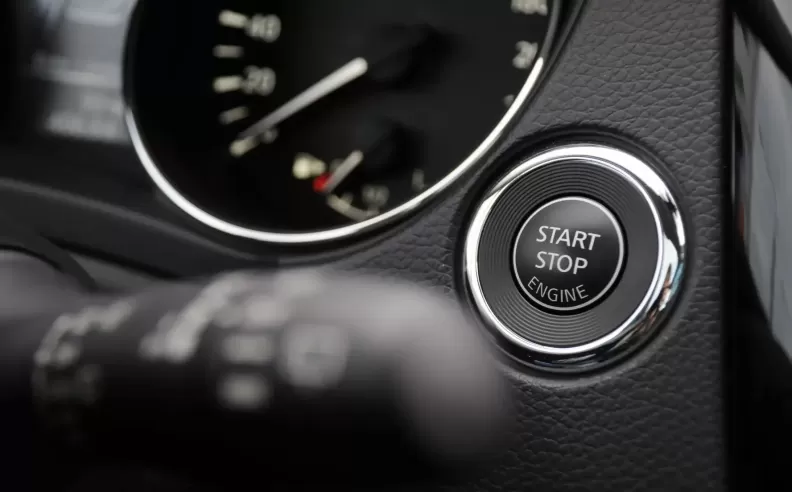
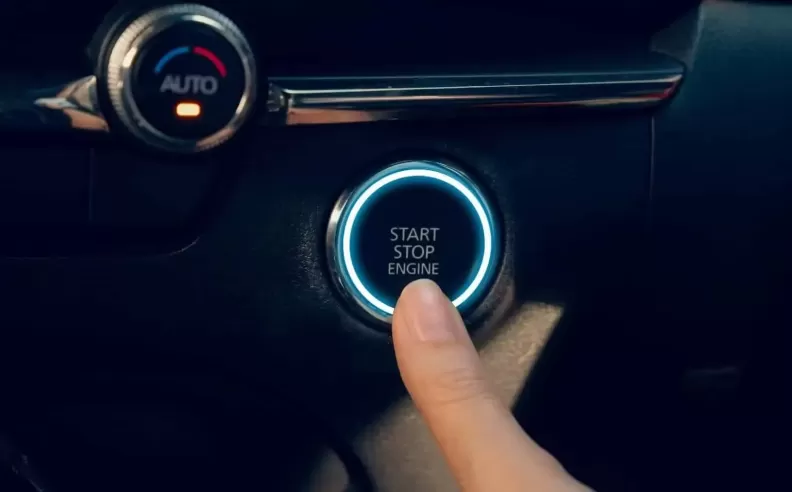
For more than a decade, automakers relied on Auto Stop Start systems to help meet strict fuel economy and emissions targets. The technology was simple in theory. When the vehicle came to a complete stop, such as at a traffic light, the engine would shut off. The moment the driver lifted their foot off the brake, the engine restarted automatically. This helped reduce fuel consumption during idle time and allowed manufacturers to earn regulatory credits.
In 2026, the EPA removed off cycle environmental credits that rewarded companies for installing fuel saving technologies like Auto Stop Start. The agency also reversed long standing regulatory findings that had formed the legal backbone of emission restrictions for over 16 years. Officials stated that many consumers viewed the system as intrusive and that real world fuel savings were often minimal under normal driving conditions. Without federal incentives pushing adoption, manufacturers are no longer required to include the feature across entire model ranges.
The new policy does not ban the system. Instead, it removes the obligation for automakers to include it. That means Auto Stop Start may become optional, reserved for drivers who prioritize maximum fuel efficiency. Performance oriented and luxury vehicles are likely to drop the feature entirely to deliver a more seamless driving experience.
This shift could also reshape the used car market. Many drivers have long preferred vehicles without automatic engine shutdown systems, especially those concerned about long term wear on starters and batteries. As a result, models built without Auto Stop Start may become more desirable in resale listings. At the same time, environmental analysts are watching closely to see how the change affects overall fuel consumption trends in the coming years.
What is clear is that 2026 marks a turning point. The driving experience is becoming less about regulatory compliance and more about driver preference.

Started my career in Automotive Journalism in 2015. Even though I'm a pharmacist, hanging around cars all the time has created a passion for the automotive industry since day 1.


 SHARE
SHARE