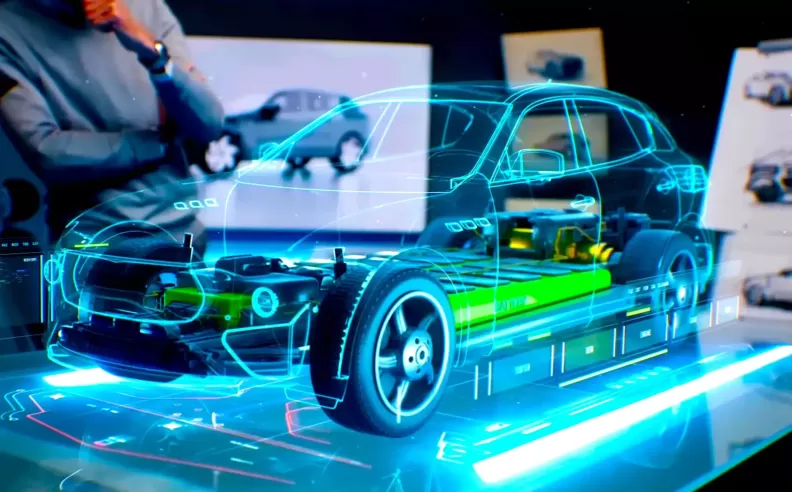
Battery life has always been the elephant in the EV showroom, especially when it comes to buying secondhand electric cars. But in 2026, China’s CATL dropped a game-changing announcement. Their new 5C lithium-ion battery cells are not just fast to charge, they are built to last longer than the car itself. With performance numbers that stretch into taxi and truck territory, this battery could reset expectations for every EV buyer.
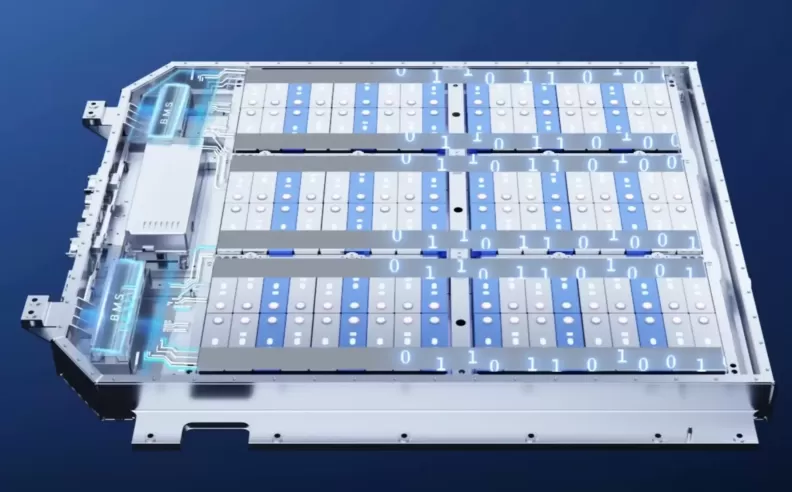
CATL claims the 5C battery pack can retain 80 percent of its original capacity after 3000 full fast charge cycles under ideal conditions. That translates to a jaw-dropping 1.8 million kilometers of total driving range. Even in extreme summer heat reaching 60 degrees Celsius, similar to real-world heat in places like Dubai or Phoenix, the battery can handle 1400 full fast charges while still holding 80 percent capacity. That equals over 840,000 kilometers, which far exceeds the lifespan of most combustion vehicles.
What makes the 5C truly special is its ability to charge from 0 to 100 percent in around 12 minutes. That is approaching the speed of traditional fuel stops. Usually, ultra fast charging is a recipe for cell damage, but CATL counters that with a special cathode coating that minimizes internal cracks and a heat-sensitive layer on the separator that slows ion flow if temperatures get dangerous. Additives in the electrolyte even help heal micro cracks inside the battery cells. These features allow high speed charging without the trade-off of rapid degradation.
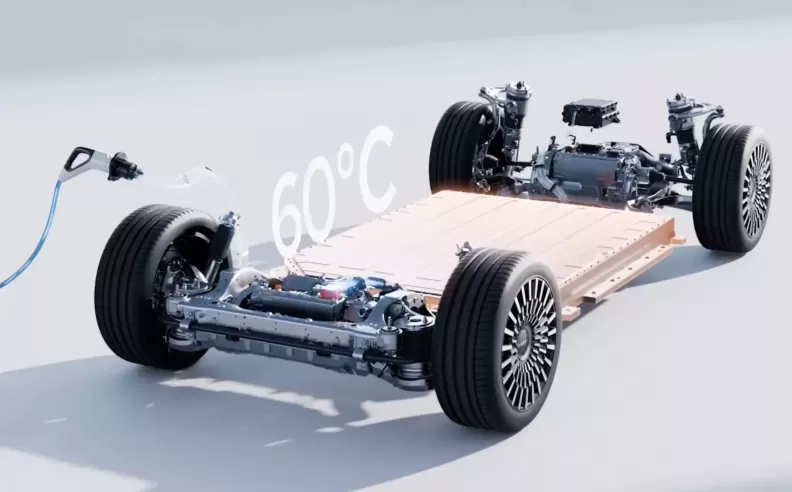
To keep the battery cool and stable, CATL’s new Battery Management System (BMS) targets specific hotspots instead of cooling the entire pack randomly. This focused approach improves efficiency, preserves long-term battery health, and makes daily fast charging a realistic option. That’s especially critical for fleet vehicles and shared mobility platforms where every minute of downtime costs money.
The long-term impact goes far beyond daily use. With batteries lasting this long, the resale value of EVs could finally stabilize, solving one of the biggest fears in the secondhand market. And once the car itself reaches the end of its life, these batteries could be repurposed for home energy storage, giving them a second life and boosting environmental sustainability.
Still, CATL has not confirmed exactly when production will scale or which models will receive the 5C pack first. Lab results are one thing, real road conditions are another. But even if only half these promises hold true, this battery could reshape how we view electric vehicle ownership forever.

Started my career in Automotive Journalism in 2015. Even though I'm a pharmacist, hanging around cars all the time has created a passion for the automotive industry since day 1.



 SHARE
SHARE