Ferrari just proved that selling fewer cars does not mean earning less money. The Italian icon announced a massive bonus of 14,900 euros, around 17,600 dollars, for each of its 5,000 employees in Italy after reporting record financial results for 2026. While global deliveries slightly declined, the company pushed profits to new heights by doubling down on exclusivity, premium pricing, and limited edition strategy. For analysts and luxury brands worldwide, Ferrari’s latest move shows how scarcity can be more powerful than volume.
Ferrari increased net revenues by 7 percent to reach 7.1 billion euros, even though total deliveries dropped by 112 units to 13,640 cars worldwide. Net profit climbed from 1.52 billion euros to 1.6 billion euros, proving that Ferrari’s pricing power remains unmatched in the luxury automotive world. Instead of chasing higher production numbers, the brand focused on highly customized models and limited editions that carry stronger margins. This strategy allows Ferrari to maintain exclusivity while increasing profitability per vehicle.
The bonus trend reflects that growth. Back in 2020, employees received around 7,500 euros. In 2026, that figure almost doubled to 14,900 euros. Ferrari continues to show that its real engine is not just performance, but disciplined brand control and strategic scarcity.
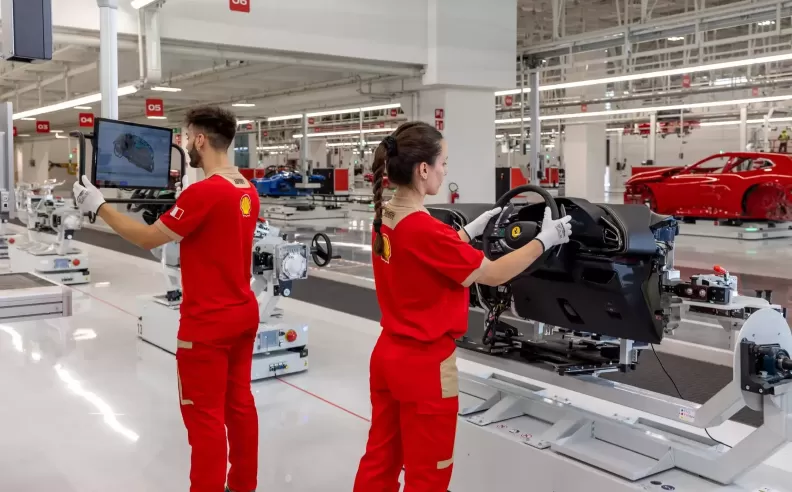
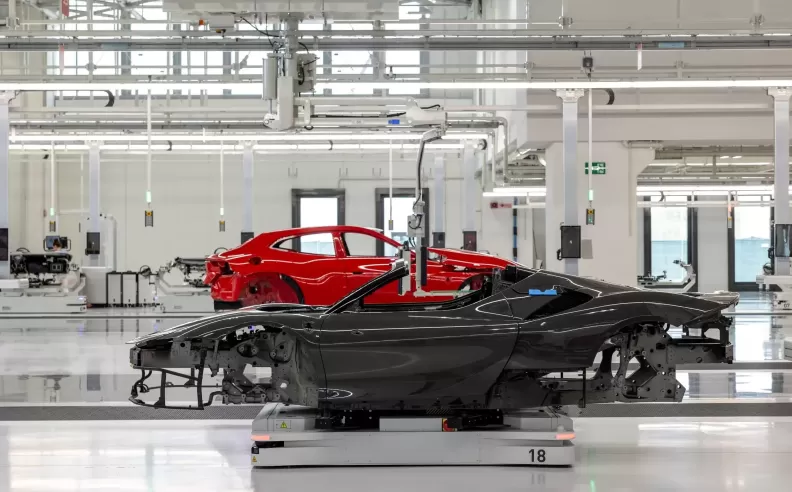
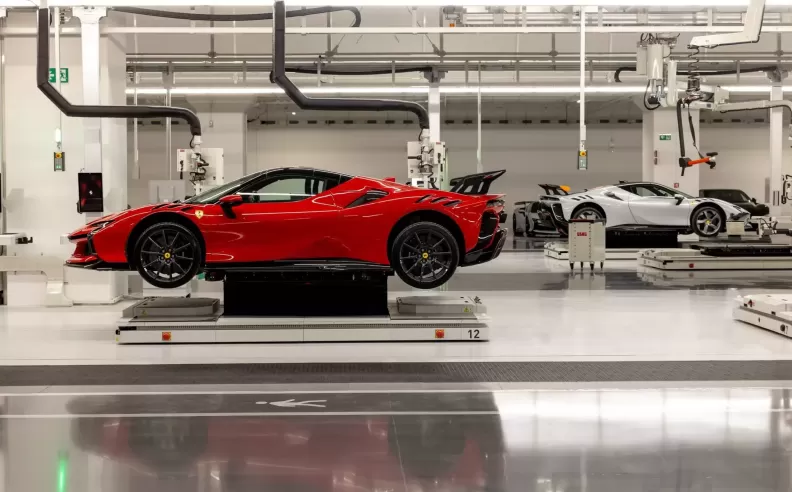
Ferrari does not hand out bonuses randomly. The payout directly links to measurable performance indicators. The company evaluates product quality, manufacturing precision, and defect reduction across its Maranello production lines. Financial metrics also play a central role, especially adjusted earnings before interest, taxes, depreciation, and amortization. In simple terms, employees become real partners in Ferrari’s financial success. Attendance rates also matter, as the brand rewards commitment and operational discipline inside its Italian facilities.
Looking ahead, Ferrari prepares to launch the Luce on May 25, 2026, marking the first fully electric Ferrari in history. Designed internally with input from legendary designer Jony Ive, the cabin promises a radical shift in digital interaction. Ferrari plans to introduce glass controls and mechanical inspired tactile feedback to replace the emotional sound of traditional V12 engines with a new sensory experience. If Luce succeeds, Ferrari could redefine its identity by blending electric luxury with its racing heritage, potentially driving even stronger profit margins and larger bonuses in the coming years.

Started my career in Automotive Journalism in 2015. Even though I'm a pharmacist, hanging around cars all the time has created a passion for the automotive industry since day 1.


 SHARE
SHARE