After years of bold promises about an all electric future, the global car industry is showing a clear change in direction. While electric vehicles continue to grow worldwide, the pace has slowed in key markets like the United States. Rising costs, weaker incentives, and charging infrastructure challenges have pushed automakers to rethink how fast they can realistically move away from gas engines.
By 2025, electric vehicles are expected to make up around 25 percent of global sales, which is still a major milestone. However, that number also confirms that most buyers are still choosing gasoline or hybrid cars. Automakers now see that forcing a rapid transition does not work equally across all regions. As a result, internal combustion engines are returning to the center of long term product planning, especially in markets where fuel prices, long driving distances, and towing needs remain critical.
This shift does not mean electric vehicles are failing. Instead, it reflects a more balanced strategy that matches real world demand. Carmakers are choosing flexibility over rigid timelines, giving gas engines more time to coexist with electric technology.
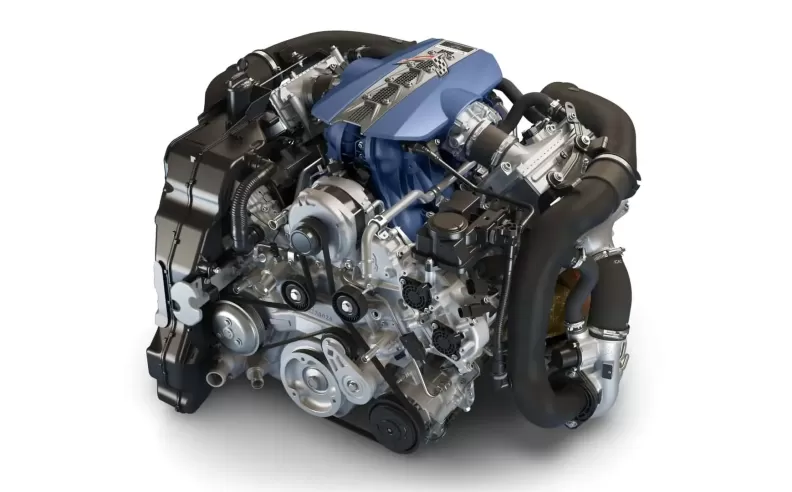
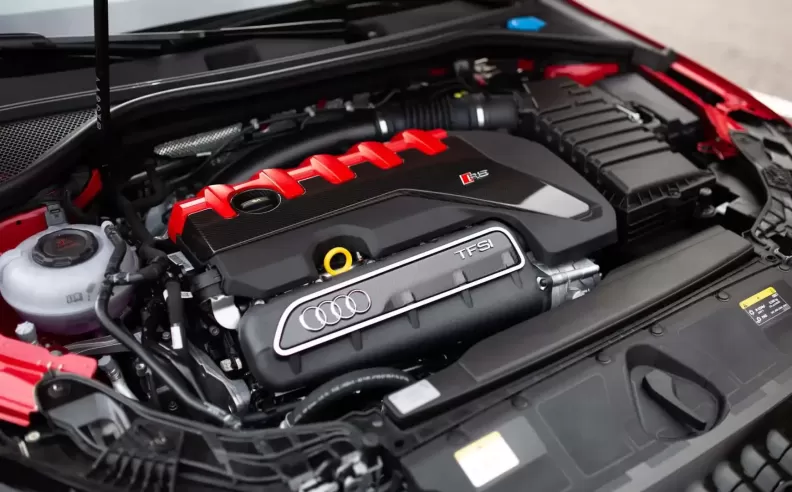
American automakers are signaling a clear shift back to internal combustion. General Motors committed around 825 million euros to upgrade its Tonawanda engine plant in Buffalo, focusing on next generation V8 engines. This marks the company’s largest single investment in a gas engine facility, even after years of heavy spending on electric platforms. The move reflects strong demand for trucks and large SUVs in North America, especially among drivers who value towing power, durability, and long range convenience.
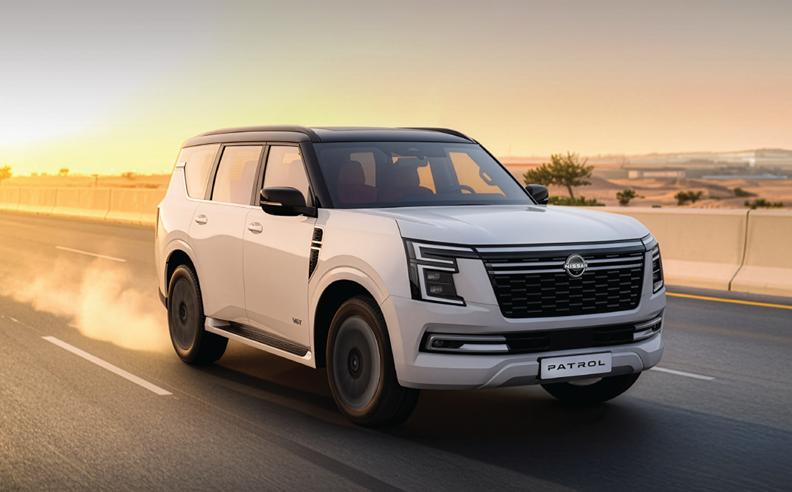
Ram is also doubling down on gas power. The brand brought back its iconic Hemi V8 engines after investing more than 12 billion euros in US production. This decision followed strong feedback from truck buyers who were not ready to abandon gas engines. For many drivers, especially in Saudi Arabia and the wider region, large displacement engines remain closely tied to performance, reliability, and everyday usability.
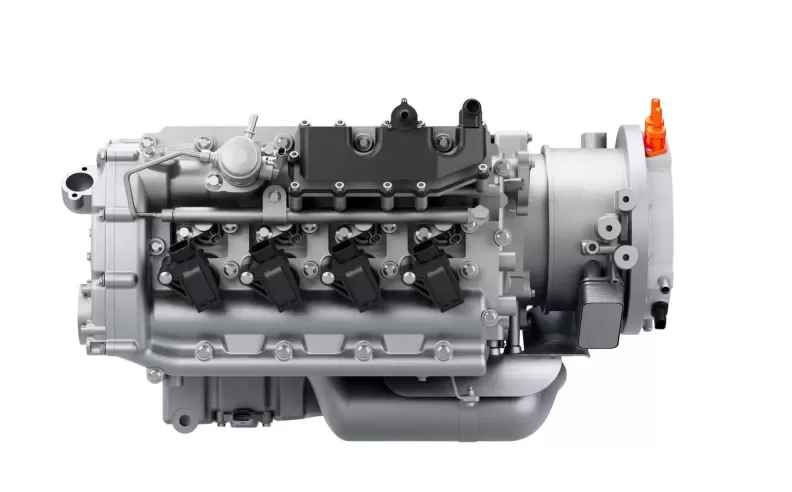
In Europe, stricter emissions rules are pushing innovation rather than elimination. Horse Powertrains introduced the compact C15 hybrid system, designed to extend the life of gas engines while meeting environmental targets. This system combines an electric motor, generator, and cooling system into a single compact unit that supports multiple fuel types, including gasoline and synthetic fuels.
Political decisions are also playing a role. In the United States, relaxed electric vehicle mandates reduced pressure on automakers to abandon gas engines entirely. In Europe, adjustments to the 2035 ban opened the door for hybrids and advanced combustion technologies. These shifts confirm that gas engines are no longer viewed as outdated but as part of a longer transition phase.
Gas engines are not replacing electric cars, but they are no longer disappearing either. The industry is moving toward a realistic middle ground where technology adapts to market needs, infrastructure readiness, and regional preferences. For many drivers, this balanced approach makes more sense than an abrupt all electric leap.

Started my career in Automotive Journalism in 2015. Even though I'm a pharmacist, hanging around cars all the time has created a passion for the automotive industry since day 1.


 SHARE
SHARE