Once a proud symbol of Japanese sedan dominance, the Nissan Altima carved out a legacy of practicality, performance, and reliability. But over the last two decades, the Altima’s story took a dramatic turn. Once outselling rivals like the Camry and Accord, it is now more likely to trend in internet memes than sales charts. From strategic missteps to internet culture and finance traps, here is how a respected family car became an icon of digital mockery.
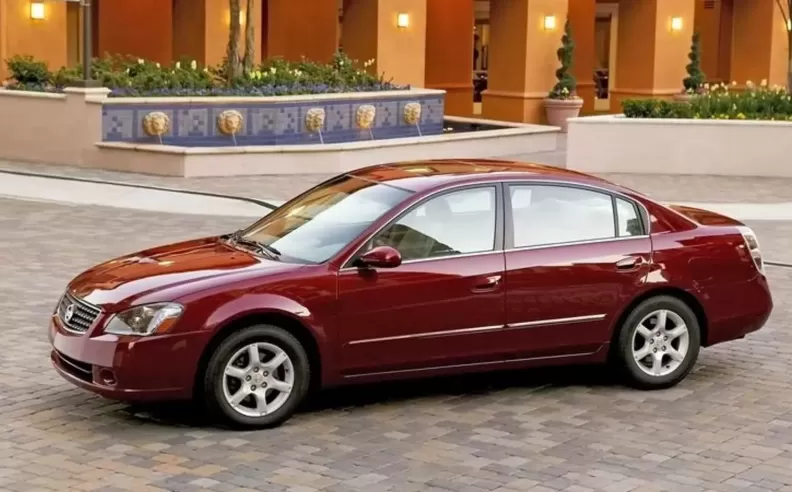
Launched in 1992, the Altima was once Nissan’s golden ticket to North American success. It offered a sportier drive than rivals like the Mazda 626 or Ford Taurus, winning over critics with strong engines and sharp handling. The third generation, introduced in 2002, was a breakout hit. It brought in over 200 thousand sales annually, offered a powerful V6, and even earned the title of North American Car of the Year.
From 1998 to 2016, it held the title of Nissan’s top selling vehicle worldwide. But things began to unravel under the cost cutting regime of Carlos Ghosn. To hit aggressive savings goals, Nissan reduced R&D spending, downgraded materials, and ramped up production of cheaper models. One critical turning point was the widespread adoption of a cheaper continuously variable transmission (CVT). Plagued by high failure rates and expensive repairs, it sparked multiple class action lawsuits.
As resale values dropped and reliability scores fell behind those of the Camry and Accord, the Altima’s reputation started to fade. It was no longer a first-choice sedan. It became a last resort for buyers chasing deals, not quality.
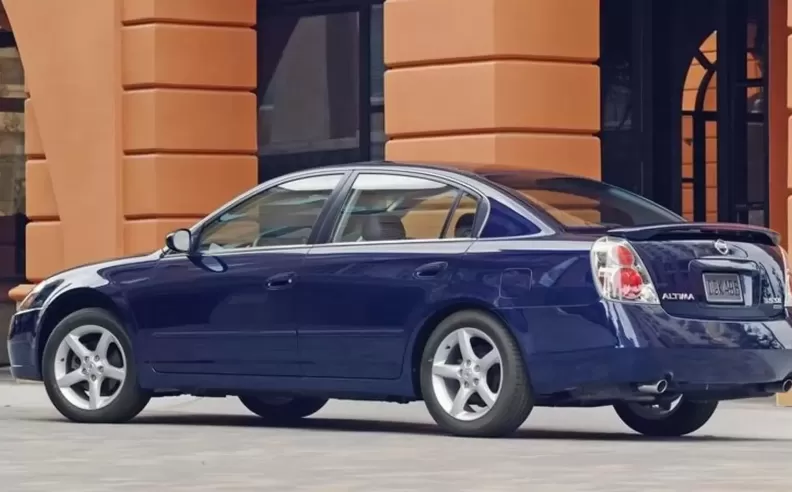
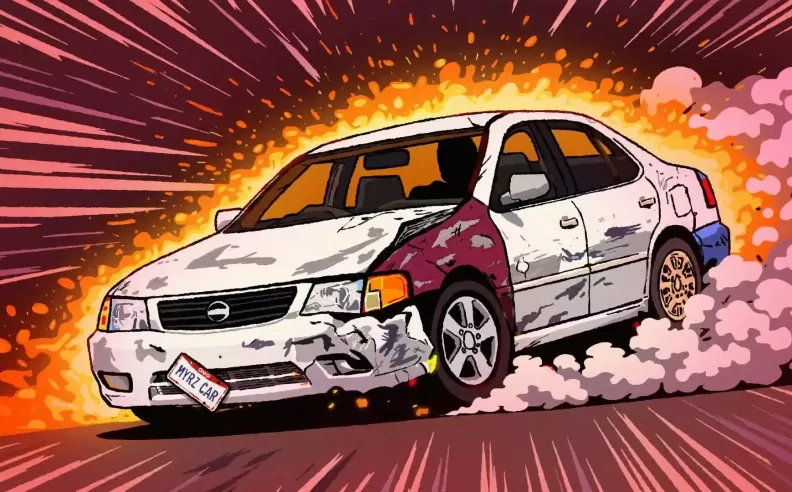
The internet never forgets, and in the Altima’s case, it never forgave. Around 2021, the term Big Altima Energy took over meme pages, painting Altima drivers as aggressive, careless, and often broke. Viral posts joked about cracked bumpers, always-on check engine lights, and drivers doing 180s in parking lots with expired plates.
This wasn’t just random mockery. In many cases, it reflected deeper financial issues. As new Altimas became less desirable, Nissan targeted subprime buyers with loan deals carrying interest rates of up to 25 percent. For many buyers with poor credit, the Altima was one of few new car options left. But defaults became common, and the cars often ended up beat down, poorly maintained, and visible on tow trucks.
From a sales peak of over 335 thousand units in 2014, the Altima dipped below 93 thousand last year. And in a market that is rapidly shifting to electric and crossover vehicles, it is unlikely Nissan will invest in a new generation. Yet many old Altimas still roam the roads, clinging to life with duct tape and prayer. For those still driving one, the advice is simple: keep the CVT fluid fresh, avoid the memes, and hang in there.

Started my career in Automotive Journalism in 2015. Even though I'm a pharmacist, hanging around cars all the time has created a passion for the automotive industry since day 1.



 SHARE
SHARE