Airbags are a major reason cars today are much safer than those of the past. But like any system with electronics and sensors, airbags can fail, putting everyone at risk. When something goes wrong with your airbag, it can go from a life saver to a real danger, sometimes without warning. Here’s what every driver should know about the most common airbag issues and what to do when you spot them.

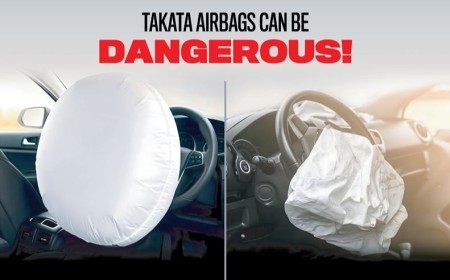
The most frequent sign of trouble is the airbag warning light on your dashboard. This light usually means there is a problem somewhere in the system, which could be as minor as a loose electrical connector or as serious as a damaged crash sensor. Some of the top reasons this light comes on include a fault in the airbag control module, issues with the impact sensors, or broken wiring from past dashboard repairs or vibrations. In many high mileage cars, the clock spring in the steering wheel can wear out, breaking the link between the airbag and its controls. Sometimes, manufacturing defects also trigger recalls, like in the famous Takata case where airbags would either fail to work or deploy dangerously. Any time you see the airbag light, it means the system cannot be trusted to keep you safe in a crash.

If you ignore a problem with your airbag, you are risking much more than just a warning light. The airbag may not deploy when you need it most, or even worse, could go off by surprise while driving. Faulty airbags also turn off other safety systems like seatbelt tensioners, which are designed to work together during a crash. You might also face legal issues when your car goes in for inspection or if you try to sell it, since a broken airbag system is considered a serious safety violation.
The right move is to never ignore the airbag warning and always get your car checked at a trusted service center. The mechanic will scan the system using a diagnostic tool to pinpoint the issue, whether it is a bad sensor, a damaged clock spring, or a control unit that needs reprogramming. After any fix, the system should always be reset and tested to guarantee full function. And unless you are a trained professional, never attempt to work on airbags yourself, since they contain small explosives for deployment and can be dangerous if handled wrong. Investing in expert repairs and using quality parts ensures your safety and keeps your car in top legal and mechanical shape.

Started my career in Automotive Journalism in 2015. Even though I'm a pharmacist, hanging around cars all the time has created a passion for the automotive industry since day 1.


 SHARE
SHARE