Few dashboard warnings cause as much concern as the brake warning light. This alert is directly tied to one of the most critical safety systems in any car. Misreading it or ignoring it can lead to serious risks on the road. Understanding what the brake warning light means and knowing when to stop driving can make a major difference in safety, cost, and peace of mind.
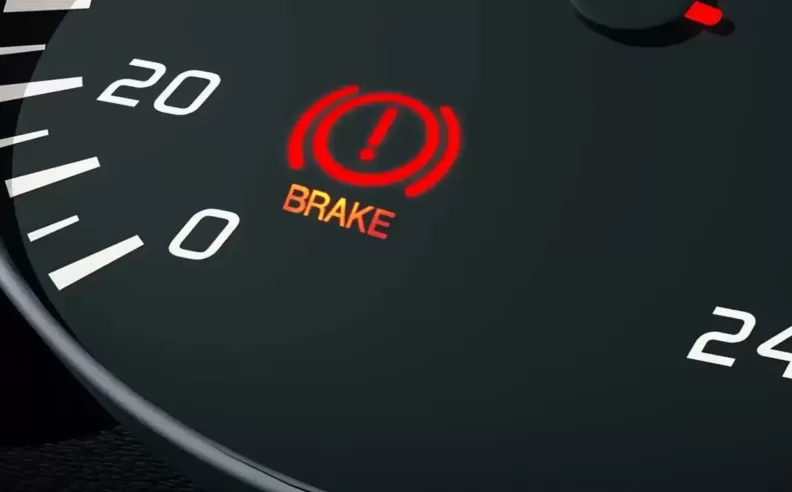
The brake warning light usually appears in red or yellow and signals a potential issue within the braking system. In many cases, it points to low brake fluid levels, an engaged parking brake, or a sensor related to brake operation. Some modern vehicles also display a message explaining the issue, but older cars rely solely on the warning symbol.
A red light often indicates a serious problem that affects braking performance directly. This may include hydraulic pressure loss or brake system failure. A yellow light usually points to a secondary issue such as sensor malfunction or electronic system feedback. While not always dangerous immediately, it should never be ignored.
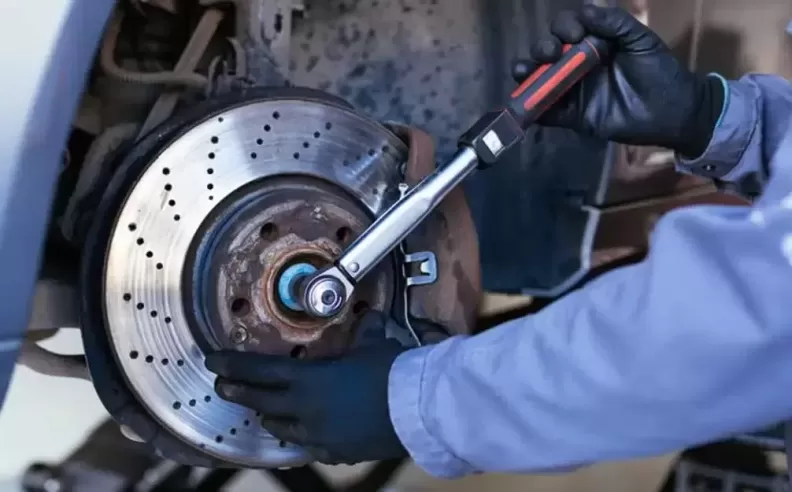
Several mechanical and electrical factors can trigger the brake warning light. The most common cause is low brake fluid, often linked to worn brake pads or a leak in the system. A faulty parking brake sensor can also keep the light on even when the brake is fully released. In some vehicles, worn brake pads activate a dedicated wear sensor that triggers the warning.
Electronic systems such as ABS or stability control may also be connected to the brake warning light. In these cases, the issue may not be mechanical but still affects overall braking confidence. Electrical faults like damaged wiring or a defective dashboard sensor can sometimes trigger the light without a real braking failure.
Driving with the brake warning light depends on its color and behavior. A red warning light means driving should stop immediately, as braking ability may be compromised. A yellow warning light may allow cautious driving for a short distance, but inspection should happen as soon as possible. Simple checks such as confirming the parking brake is fully released, inspecting brake fluid levels, and paying attention to pedal feel can help identify urgency. Some issues are minor, like topping up brake fluid or replacing a sensor, while others such as hydraulic leaks or ABS unit failure require immediate professional repair.

Started my career in Automotive Journalism in 2015. Even though I'm a pharmacist, hanging around cars all the time has created a passion for the automotive industry since day 1.


 SHARE
SHARE