Every winter, the old debate about warming up your car before driving comes back, this time fueled by a viral TikTok that claims drivers should idle their cars for ten to fifteen minutes or risk damaging the starter and alternator. But is this advice still true for cars in 2025, or are drivers just wasting fuel
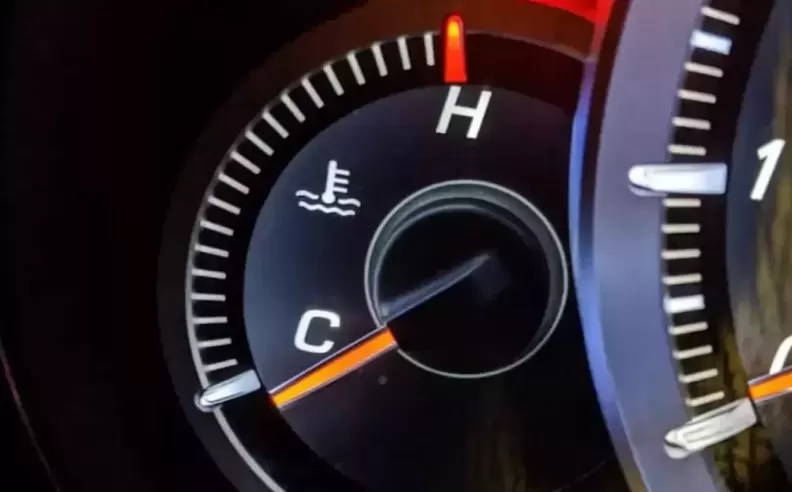
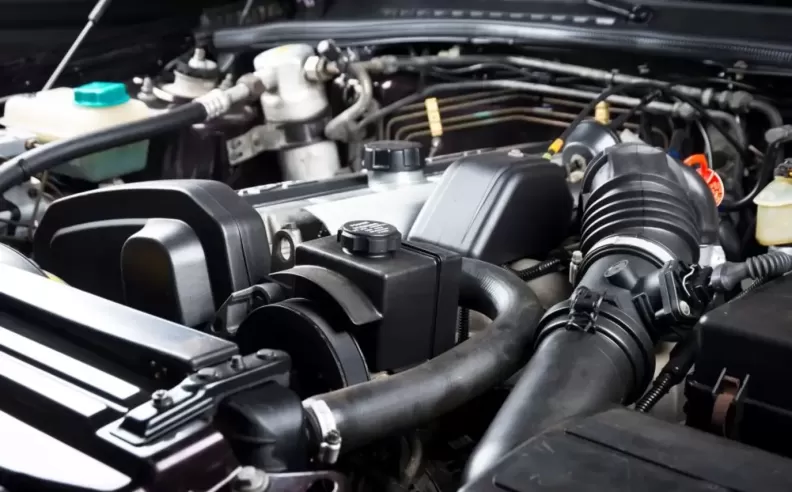
Back in the day, warming up your car for several minutes was standard advice, especially for vehicles built before the mid 1990s with carburetors. These older engines needed time for the fuel and air mix to reach the right temperature for smooth running. Without a long warm up, engines would stall, waste gas, or run rough. But today’s cars are a completely different story. Modern engines use electronic fuel injection and advanced sensors to manage the air and fuel mix from the moment you turn the key. Most experts now agree that even on a cold morning, your car needs only about twenty to thirty seconds for the oil to circulate through the engine. Anything more just burns fuel without protecting your engine.
Automotive experts and organizations like AAA now recommend letting your car idle for just half a minute before driving off. In extremely cold conditions, such as temperatures far below zero, it can help to wait two or three minutes for the oil to flow smoothly and for the transmission to get ready. The best way to get your engine and transmission up to temperature is not by waiting but by driving gently right after starting. Longer warm up periods are only useful for older cars built before 1995 or if you need to defrost the windows in freezing weather. Warming up your car for ten minutes or more not only wastes gas, but it also creates extra pollution without any real mechanical benefit for modern vehicles.

Started my career in Automotive Journalism in 2015. Even though I'm a pharmacist, hanging around cars all the time has created a passion for the automotive industry since day 1.


 SHARE
SHARE