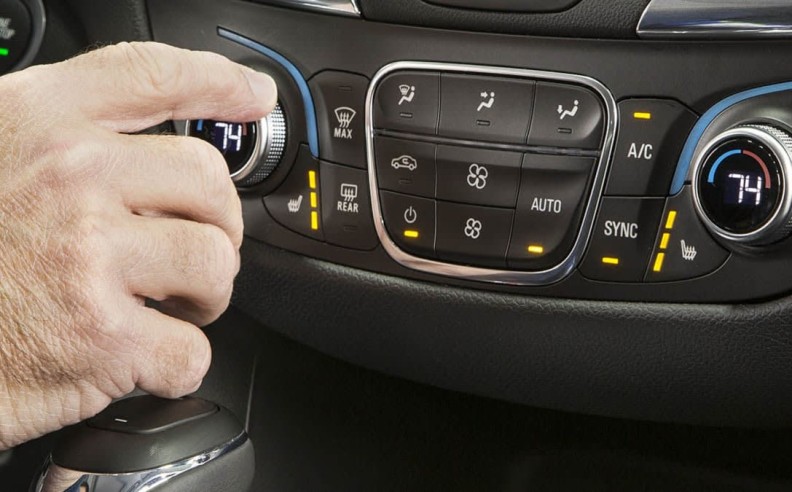
The answer depends on what kind of engine powers your ride. Whether it’s a traditional gas car, a hybrid, or a fully electric vehicle, the process of warming the cabin is more complex than most drivers realize. Instead of firing up a heater like in your home, cars often borrow existing heat from the engine itself. But this process changes dramatically depending on how your vehicle is powered. Here's how each type handles keeping you warm in winter.
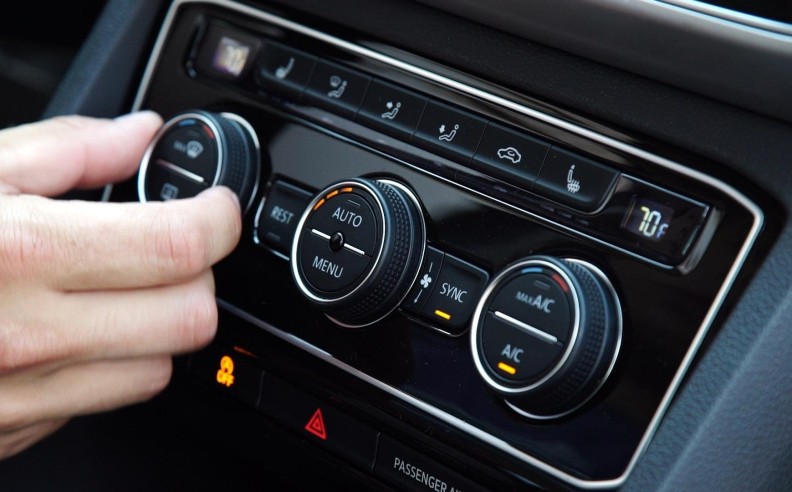
In traditional gas cars, heat for the cabin doesn’t come from a separate system. It comes from the engine itself. As the engine burns fuel, it produces heat (a lot of it), and that excess warmth would be wasted if engineers didn’t put it to use. Coolant runs through the engine to prevent it from overheating. Once warm, that same coolant flows through a small heater core behind the dashboard. A fan blows air over that core and into the cabin, giving you warmth while keeping the engine temperature in check.
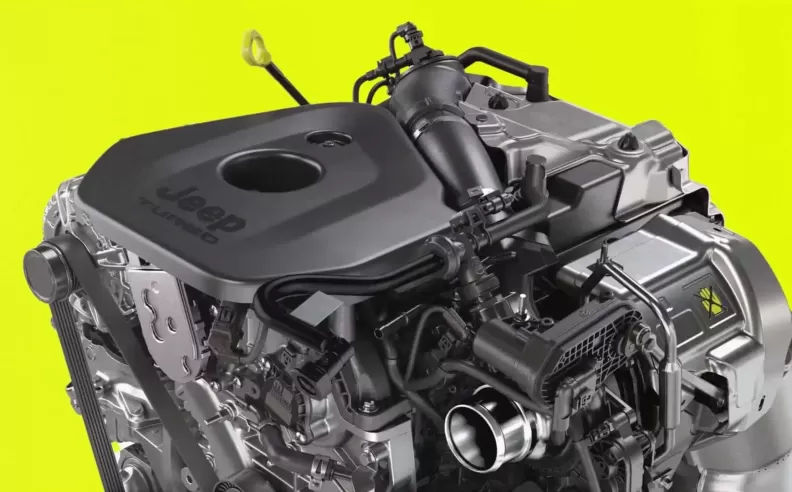
But there’s a catch. On very short drives or super cold days, there might not be enough waste heat to borrow. That’s why you sometimes get cold air blowing even after starting the car. Some new engines are so efficient (or turbocharged) that they warm up slowly, delaying cabin heat.
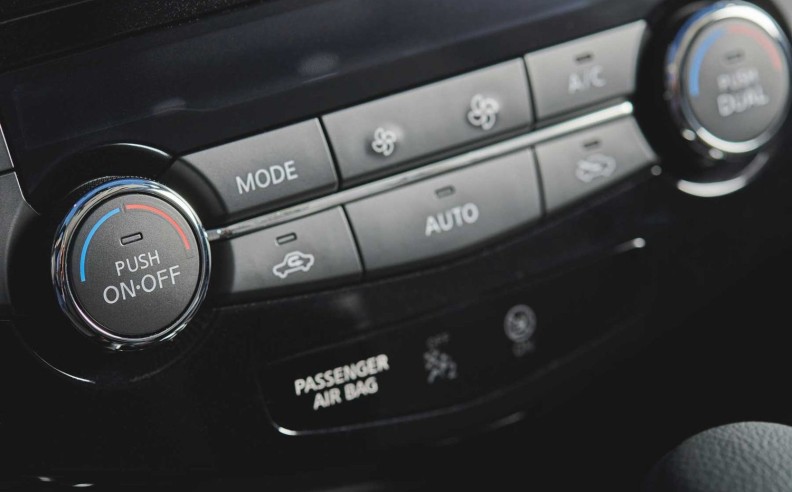
Hybrid vehicles are designed to save fuel by shutting off the gas engine when stopped. While this improves efficiency, it also means that heat production pauses too. With no engine running, there's no new waste heat flowing to the cabin. To fix this, automakers use solutions like electric coolant pumps, mini heat storage tanks, or backup electric heaters.
These additions help maintain cabin comfort, but they also vary by model and add more components that could break down. That’s why heat performance in hybrids can feel inconsistent, especially in older or lower-end models.
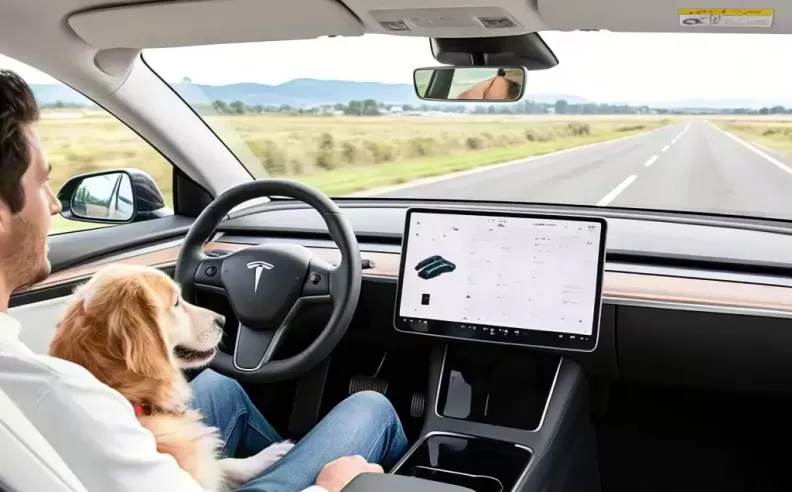
Electric vehicles skip the whole gas engine thing, so there’s no waste heat to reuse. Early EVs relied on electric resistance heaters, similar to a hair dryer. They get the job done but eat into battery range quickly, especially in freezing weather.
Modern EVs often use heat pumps, which don’t create heat but move it. These systems pull warmth from outside air or from EV components and concentrate it inside. They’re far more efficient and better for range. But when it’s extremely cold, even heat pumps struggle, forcing the car to switch back to resistance heating. That’s when range anxiety becomes a real issue for EV drivers in deep winter.

Started my career in Automotive Journalism in 2015. Even though I'm a pharmacist, hanging around cars all the time has created a passion for the automotive industry since day 1.


 SHARE
SHARE