When it comes to making a car exciting, the heart of the story always starts with the engine. Whether you crave pure sound, instant punch, or the high tech thrill of boost, engines come in three main flavors: naturally aspirated, turbocharged, and supercharged. Each type delivers its own feel on the road, and with new models in 2026, picking the right one is about more than just numbers. Here is what sets each option apart and how to choose what suits your style best.
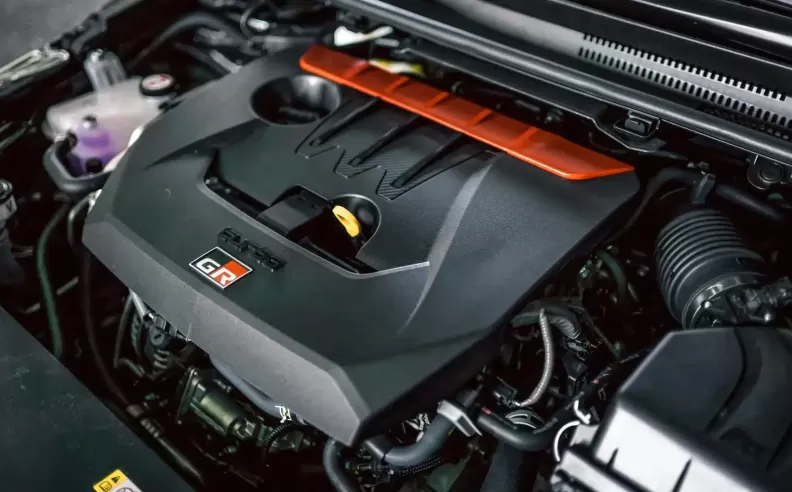
Naturally aspirated engines have long been loved for their pure, linear response. You press the pedal, and power builds up in a steady, predictable way, with no tricks or sudden bursts. This makes for a driving experience that feels connected and organic, especially at higher engine speeds. The catch? You usually have to rev the engine high to get the most out of it, which can be fun on a twisty road but less efficient for daily life.
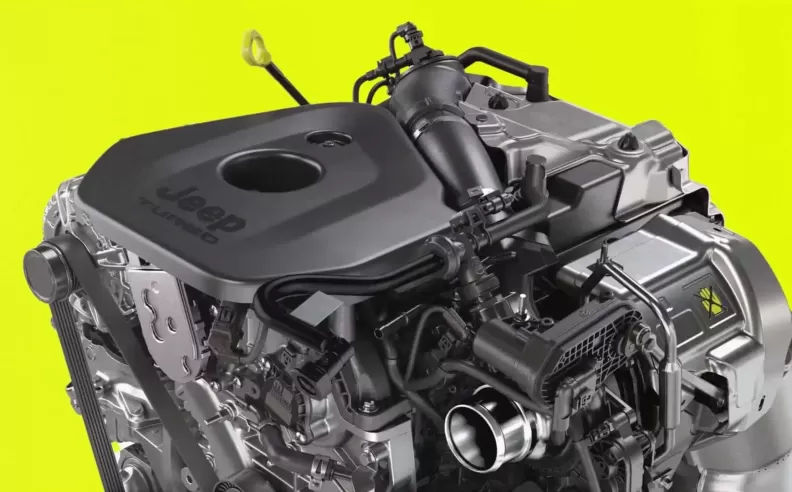
On the other hand, turbocharged engines have taken over in recent years, and you will find them everywhere from compact cars to supercars. A turbo uses exhaust gases to spin a turbine, forcing more air into the engine and packing more punch from a smaller displacement. This delivers stronger acceleration and better efficiency on paper, but the feel is different. Older turbos used to be famous for “turbo lag” that pause before the boost kicks in while modern ones deliver quick, almost instant torque throughout the rev range. Still, the power can come on in a wave rather than a smooth line.
With new technology like direct injection and electric assist, 2026’s turbo engines keep getting smoother and more reliable, but purists still chase the unique sound and response of a naturally aspirated ride.

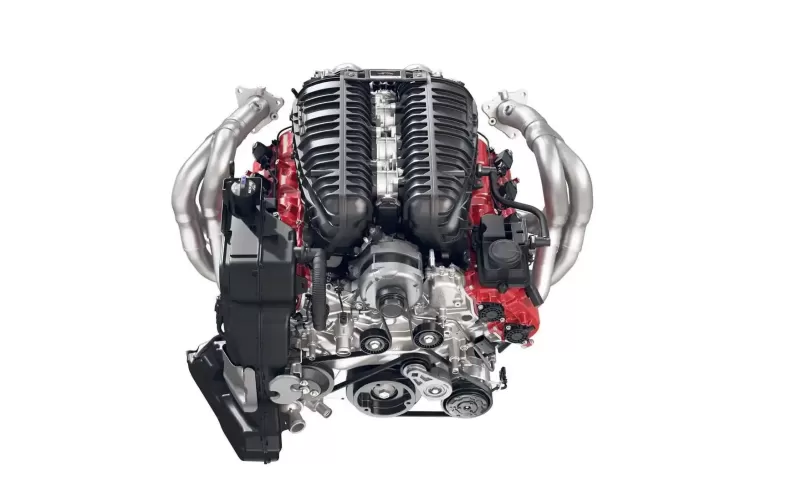
A supercharged engine is all about immediate force. Unlike a turbo, a supercharger uses a belt or pulley connected directly to the engine to compress and push in extra air. The benefit? Power is available as soon as you touch the pedal, with no delay. That makes supercharged cars feel aggressive and responsive at any speed, perfect for anyone who wants instant acceleration whenever they ask for it.
Superchargers come in different designs—roots, twin screw, and centrifugal—but all of them rely on the engine itself to create boost. The tradeoff is lower fuel economy, since the engine uses some of its own energy to make that extra power. But for enthusiasts, the payoff is real: a raw mechanical feel, a signature whine under acceleration, and a torque curve that stays high across the rev range.
While less common than turbos today, supercharged engines still show up in some of the most memorable performance cars, giving them a unique character that stands out in a world of high tech options.

Started my career in Automotive Journalism in 2015. Even though I'm a pharmacist, hanging around cars all the time has created a passion for the automotive industry since day 1.


 SHARE
SHARE