The car thermostat may be a small part, but it plays a huge role in keeping your engine running smoothly. Acting as the brain behind your car’s cooling system, it helps the engine warm up quickly and stay at just the right temperature. Ignore it, and you could end up with overheating, poor fuel economy, or expensive repairs. Here is how a car thermostat works and why you should never overlook its maintenance.
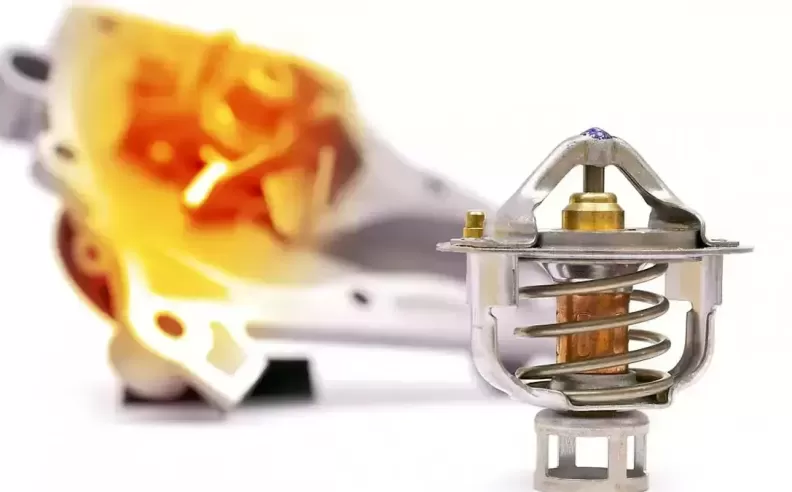
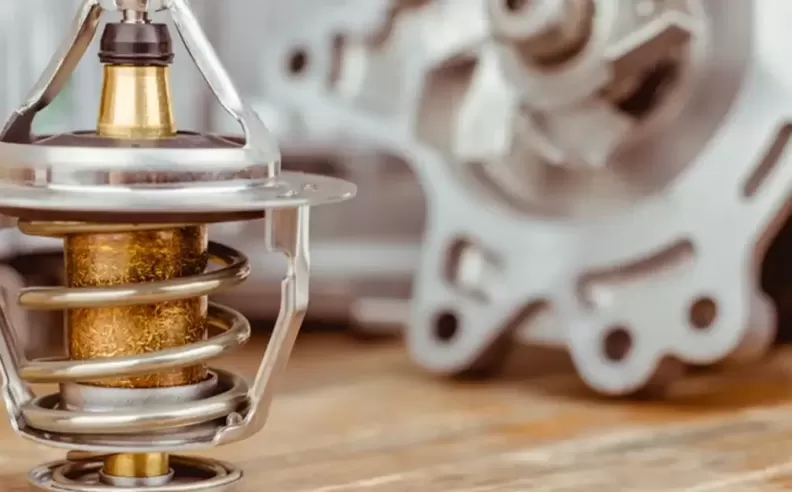
The thermostat is a heat sensitive valve that automatically opens and closes based on the engine’s coolant temperature. When you first start the car, the thermostat stays closed, keeping coolant from flowing to the radiator so the engine can warm up fast. Once the engine hits the right temperature, usually between 85 and 95 degrees Celsius, the thermostat opens. This lets coolant flow through the radiator, carrying heat away and preventing the engine from getting too hot.
Inside the thermostat is a wax filled capsule that expands and contracts with heat. As the wax melts and grows, it pushes the valve open. When things cool down, the wax contracts, and the valve closes again. This simple but effective system means your engine gets up to speed quickly, keeps running efficiently, and avoids unnecessary wear and tear.
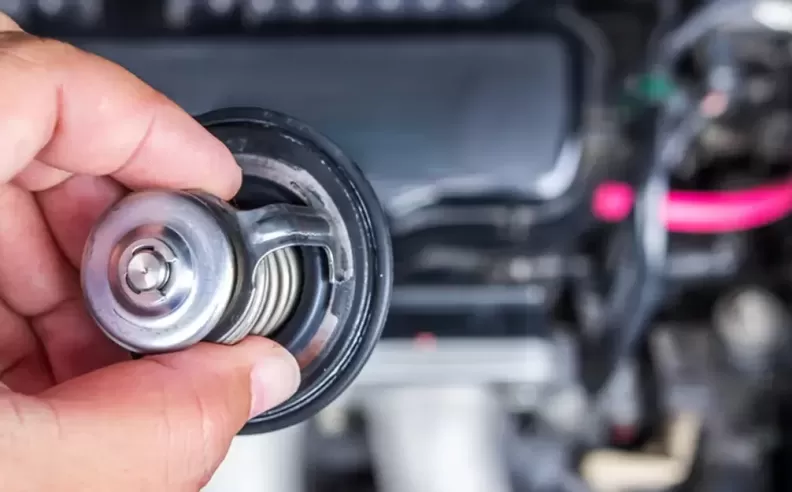
A faulty thermostat can throw off your engine’s temperature balance and lead to all kinds of headaches. If the thermostat gets stuck closed, the engine can overheat in no time, risking serious damage to the head gasket, radiator, or water pump. On the other hand, if it gets stuck open, the engine may never reach its optimal temperature, leading to weak heating in the cabin, higher fuel consumption, and poor performance.
Common warning signs include:
The engine runs hot more often than usual
The temperature gauge keeps bouncing up and down
Cabin heat feels weak even after a long drive
Fuel usage suddenly jumps
The engine stays cold longer than it should
Experts recommend changing the thermostat every eighty to one hundred thousand kilometers or as soon as you spot these symptoms. Ignoring the problem can lead to much bigger repairs. By checking the thermostat regularly and replacing it on time, you help ensure your car runs efficiently and stays cool in all driving conditions.

Started my career in Automotive Journalism in 2015. Even though I'm a pharmacist, hanging around cars all the time has created a passion for the automotive industry since day 1.


 SHARE
SHARE