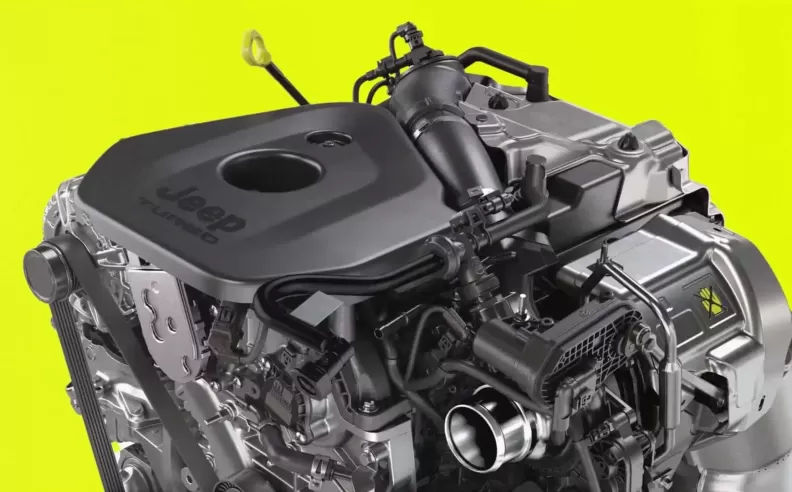
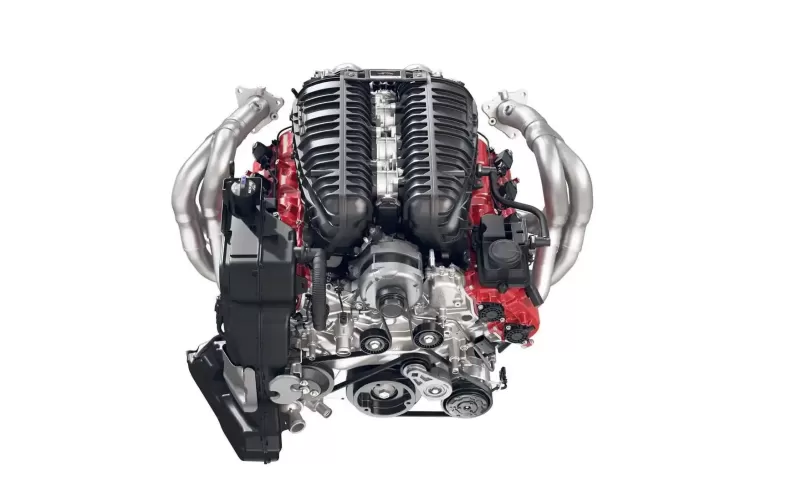
Silence is the new luxury. In the world of modern automotive engineering, cabin noise is no longer something drivers just deal with. From affordable electric hatchbacks to high end luxury SUVs, brands are racing to deliver a more peaceful driving experience. Whether it’s wind at highway speeds or the subtle hum of road textures, carmakers are using everything from layered materials to real time digital tech to block the noise. Here is a breakdown of the most advanced sound insulation strategies found in the latest models.
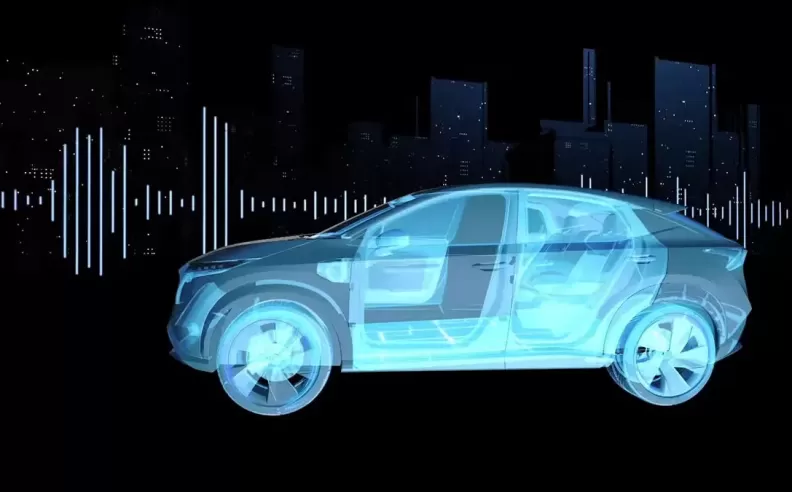
When it comes to blocking outside noise, traditional solutions are still doing the heavy lifting. Automakers line the floors, doors, trunk areas, and roof with multiple layers of foam and rubber. These absorb and deflect road and engine vibrations before they reach the cabin. High density mats and thick insulation pads behind the dashboard reduce noise from both the drivetrain and the airflow under the hood.
Some models like the Hyundai Sonata and Kia K8 use sandwich-style insulation in their underbody panels to mute road texture. Meanwhile, SUVs like the Lexus RX and Toyota Grand Highlander rely on layered wheel well insulation and door seals to keep cabin noise down without making the car feel too heavy. Even though these methods add some weight, they remain essential for a solid acoustic foundation.

At highway speeds, wind is often the biggest source of cabin noise. That’s where laminated acoustic glass comes in. Found in vehicles like the Nissan Altima and Mazda CX 90, this glass uses two outer layers with a sound absorbing film in the middle. It significantly cuts high frequency wind noise without changing visibility or strength.
On top of that, aerodynamic tweaks play a huge role in how quiet a car feels. Cars like the BMW i5 and Mercedes EQE SUV shape their side mirrors and windshield angles to guide air more smoothly around the vehicle. Even the smallest changes to pillar design or hood slope can reduce turbulence and cut down on wind hiss. These aren't just style updates, they are acoustic upgrades.

Digital silence is the new frontier in cabin comfort. High end cars like the Genesis G90, Cadillac Escalade, and Toyota Crown now come with active noise control systems that detect interior sounds and cancel them out in real time. Microphones inside the cabin pick up unwanted noise, and the speakers play counter frequencies to neutralize the disturbance.
This method works especially well for low frequency sounds like engine hum or tire roar. Electric vehicles like the Hyundai Ioniq 6 and Lexus RZ rely on this tech to handle wind and motor whine, especially since they lack the natural masking sound of a gasoline engine. When combined with traditional insulation, this digital layer creates an impressively calm cabin.

Started my career in Automotive Journalism in 2015. Even though I'm a pharmacist, hanging around cars all the time has created a passion for the automotive industry since day 1.



 SHARE
SHARE