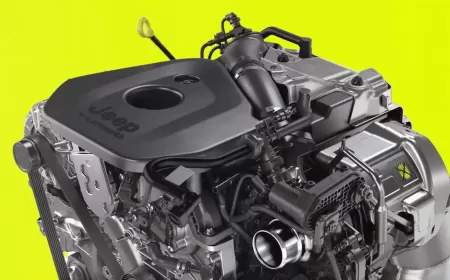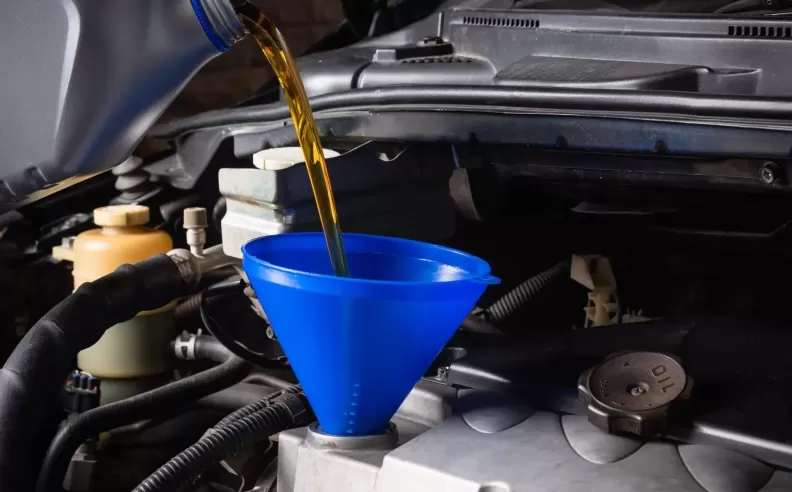
Changing a car’s oil is one of the most important maintenance tasks for keeping an engine running smoothly and extending its lifespan. Far from being just a lubricant, oil acts as the engine’s first line of defense against wear and excessive heat. This guide breaks down what every driver in Saudi Arabia should know, from the right timing to expert tips that make the process easier and more effective.

Start by warming the engine slightly so the oil flows out more easily, then switch it off. Lift the car securely with a jack for easy access to the drain plug and filter. Locate the oil drain plug under the engine and loosen it with a wrench to let the old oil drain into a container. Remove the old oil filter and clean the area before installing a new one with a light coat of fresh oil on its gasket. Reinstall the drain plug, then pour in the recommended type and amount of new oil using a funnel. Check the oil level with the dipstick, start the engine to circulate the oil, and confirm the level again for accuracy.
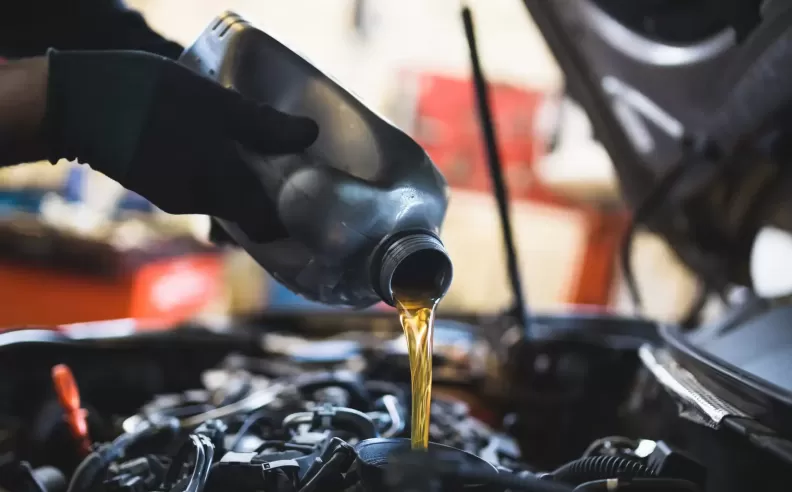
Most manufacturers recommend an oil change every 5000 to 10000 kilometers, depending on the type of oil and driving conditions. In Saudi Arabia’s hot climate or when driving on rough terrain, you might need to replace the oil more often, around every 4000 to 6000 kilometers. Signs that the oil needs changing immediately include unusual engine noises, dark or burnt-smelling oil, and the oil warning light on the dashboard. Regular oil changes not only keep the engine cooler and cleaner but also improve fuel efficiency and prevent costly damage over time.
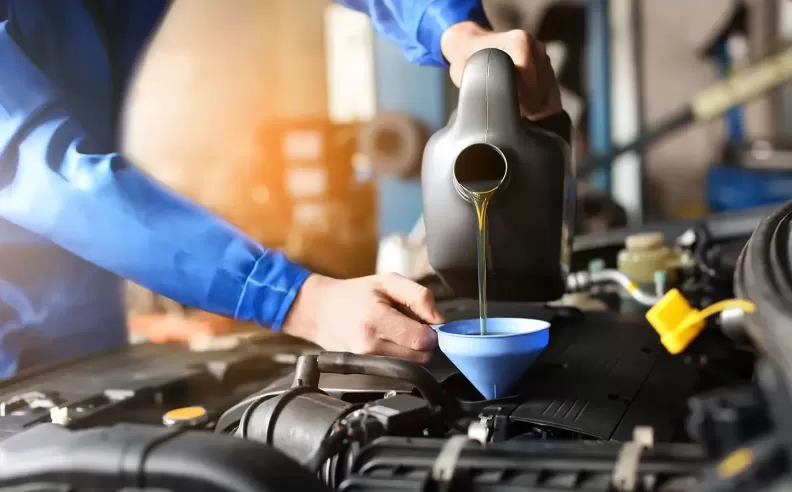
Service centers offer professional expertise, genuine oil and filters, and often include a full inspection of the vehicle. However, they are more expensive and may require booking in advance. Doing it yourself saves money, gives you flexibility on timing, and teaches valuable maintenance skills. On the downside, it requires tools, proper disposal of used oil, and some mechanical know-how. For modern engines with complex systems, professional servicing is often safer.
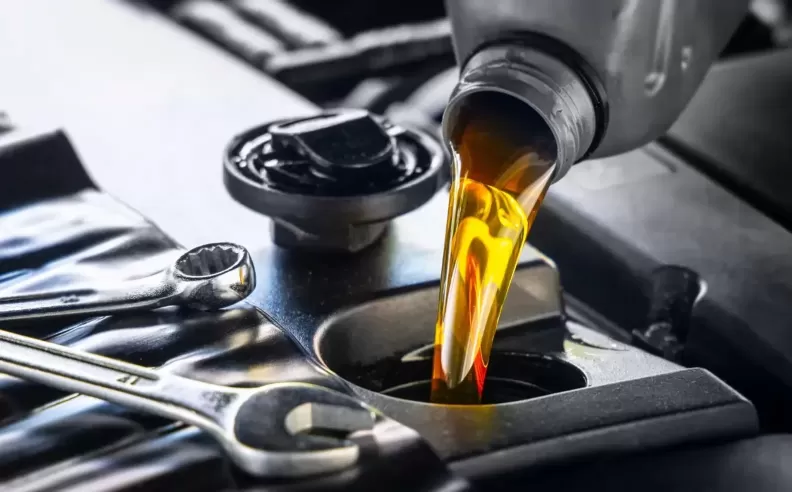
Always use the type of oil recommended by the manufacturer, whether synthetic or mineral. Replace the oil filter every time you change the oil. Keep a record of service dates and mileage to stay on schedule. If you are unsure or inexperienced, choose a trusted service center to avoid mistakes. And remember, disposing of old oil responsibly is essential to protect the environment.
Clean oil reduces friction between moving parts, absorbs excess heat, and traps dirt or metal particles that could harm the engine. Skipping oil changes can lead to sludge buildup, overheating, and ultimately engine failure. A well-maintained oil system ensures the engine runs efficiently, reduces fuel consumption, and significantly extends its lifespan.

Started my career in Automotive Journalism in 2015. Even though I'm a pharmacist, hanging around cars all the time has created a passion for the automotive industry since day 1.


 SHARE
SHARE