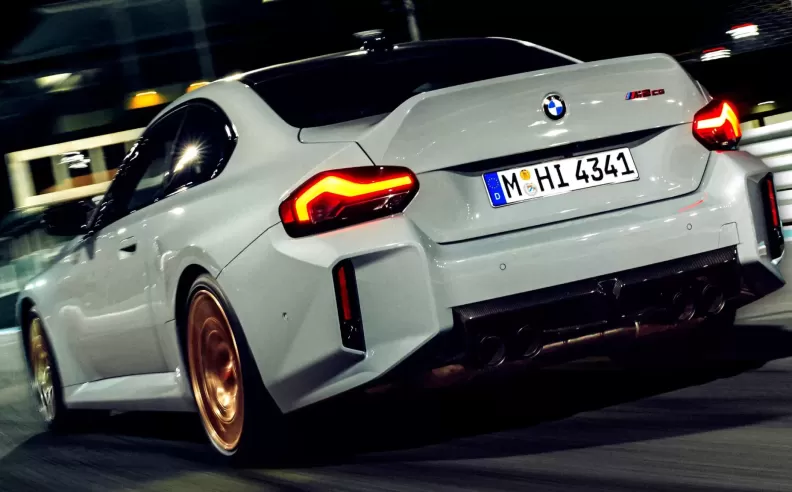
Plans to ban the sale of new combustion cars across Europe by 2035 could soon take a surprising turn. A growing chorus of automakers and political leaders is calling for the European Union to reconsider, and Germany’s top official has stepped in with a last minute appeal to keep more options on the table for the future of driving.

German Chancellor Friedrich Merz recently urged the European Commission to relax its proposed phaseout of new combustion cars. In a letter sent to Commission President Ursula von der Leyen, Merz asked for more flexibility, especially for advanced technologies like plug in hybrids, extended range electric vehicles, and highly efficient combustion models. So far, the Commission has not officially changed its position, but growing political pressure could signal a softer approach in the near future.
The timing is significant, as global policy trends are shifting. The United States is also reconsidering strict fuel economy targets, raising questions about how different regions will set standards for carmakers and buyers over the next decade.
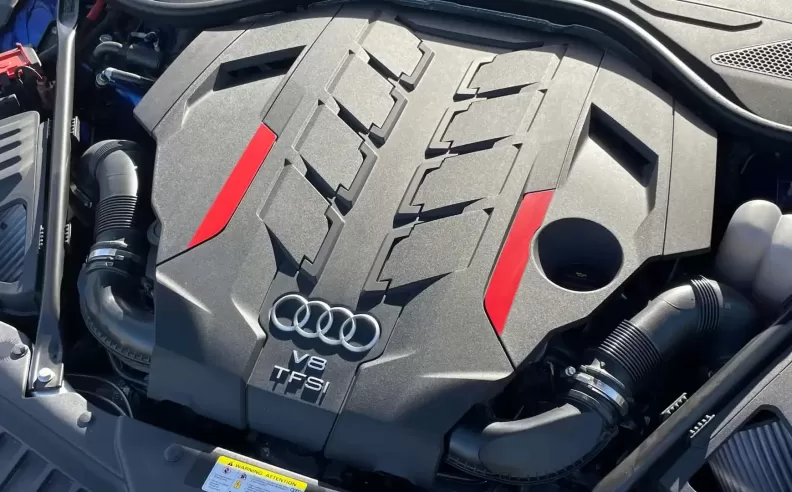
New options are emerging that could make traditional engines cleaner. The European Commissioner for Sustainable Transport has already said that emission limits will take into account the latest technology, including combustion engines running on e fuels and biofuels. Automakers like BMW are using fuels such as HVO 100, made from vegetable oil, which can cut emissions by as much as 90 percent compared to regular diesel. Porsche has also been investing in synthetic fuels at its Chile plant since 2022, aiming to make combustion engines cleaner for years to come.
The European Commission will meet soon to review new proposals and may announce an updated policy package to help the continent’s auto industry stay competitive and innovative while reducing emissions.

Started my career in Automotive Journalism in 2015. Even though I'm a pharmacist, hanging around cars all the time has created a passion for the automotive industry since day 1.



 SHARE
SHARE