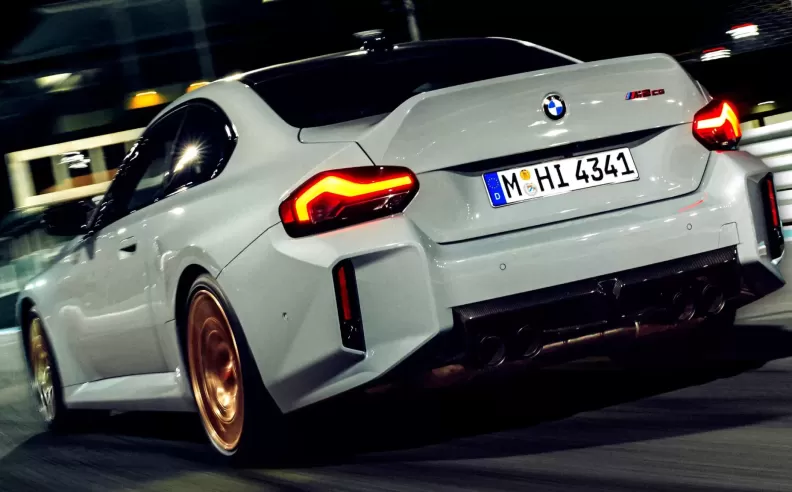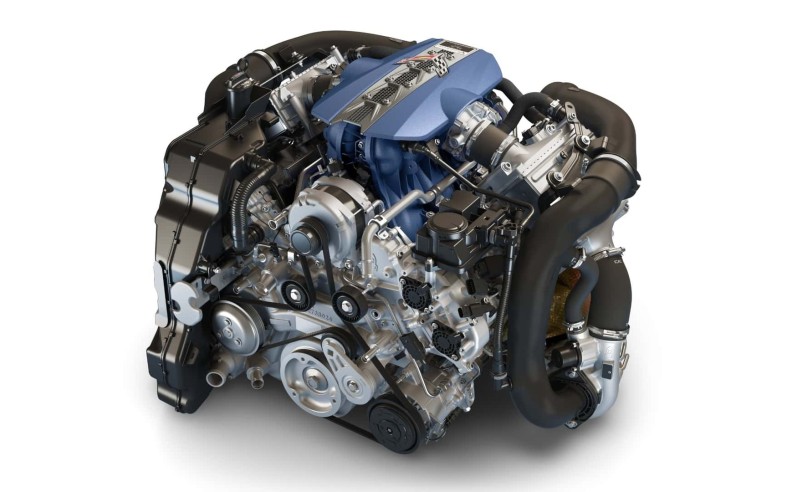
Just a few years ago, almost everyone predicted the gas engine would quietly disappear as electric vehicles took over. But 2025 is telling a very different story. While the world still talks about a battery-powered future, automakers and suppliers are doubling down on combustion engines, pumping billions into new technology and production. The internal combustion engine is not just surviving, it is making a real comeback.
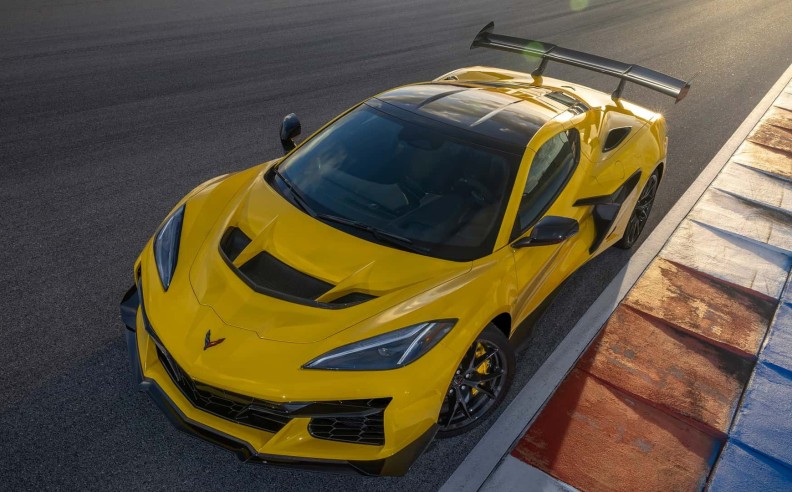
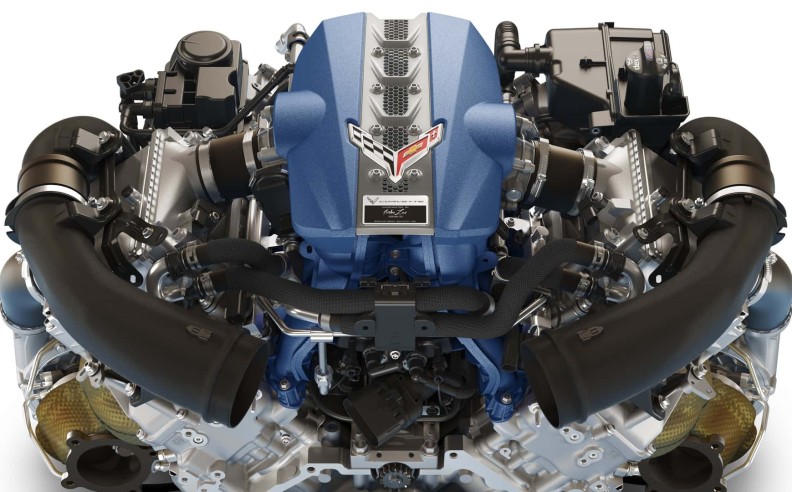
Despite all the excitement around electric cars, most automakers are rethinking their timelines. Instead of racing to an all-electric lineup, brands like General Motors and Chrysler are putting massive money back into gas engine development. General Motors, for example, recently poured nearly 900 million US dollars into its Tonawanda site to keep building small block V8s, the kind that power legendary trucks and SUVs. This is the largest single investment GM has ever made in gas engine production. Chrysler is not far behind, spending 13 billion dollars across several states to create jobs and produce more combustion-powered models, including new trucks and SUVs. The result? Iconic V8s and even a return of the Hemi are set to power American vehicles for years to come.
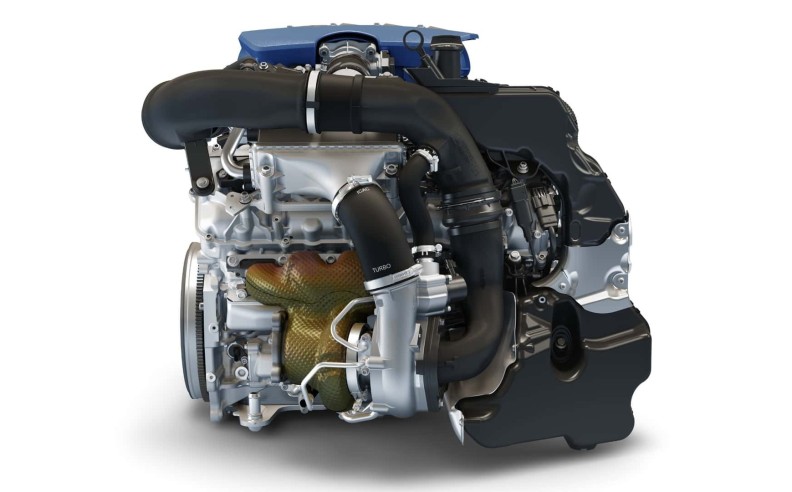
Some of the most creative ideas are coming from both established and new names in the industry. In Europe, Horse Powertrains, a UK-based company under Geely, launched the compact C15 engine. This little powerplant is designed for flexibility, running on gasoline, ethanol, methanol, or synthetic fuels, with a turbocharged version pushing output to about 120 kilowatts. Mazda took innovation further at the Japan Mobility Show, revealing its Vision X-Coupe concept that features a carbon capture system using microalgae to turn tailpipe emissions into carbon-neutral fuel. While the technology is not ready for prime time, it highlights how companies are thinking far beyond simply improving mileage.
Government rules and shifting consumer habits are a huge part of the story. In the United States, political changes mean the push for electric vehicle adoption has slowed, with major incentives rolled back and new targets dropped. In Europe, the 2035 ban on new combustion engine sales was relaxed, allowing automakers to keep producing hybrid and plug-in hybrid models for longer. Even in China, where electric vehicles are popular, new combustion engine tech continues to debut almost weekly. Globally, electric vehicles are expected to make up a quarter of new sales by the end of the year, but for now, the gas engine is still king for many buyers and carmakers alike.

Started my career in Automotive Journalism in 2015. Even though I'm a pharmacist, hanging around cars all the time has created a passion for the automotive industry since day 1.



 SHARE
SHARE