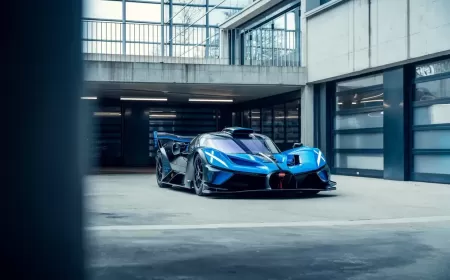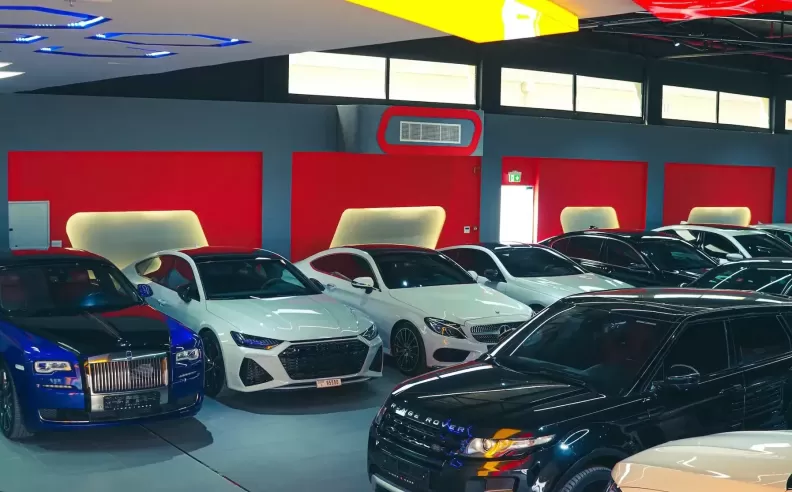
After years of low inventory and high demand, the UAE automotive market has entered a new phase. In 2025, the floodgates opened. More models, especially from Chinese brands, hit showrooms and websites than ever before. But instead of boosting sales, this abundance created new problems. Prices dropped, used cars sat longer, and dealers saw profits shrink. As 2026 begins, the auto industry faces one major challenge: how to stop value from vanishing month after month.
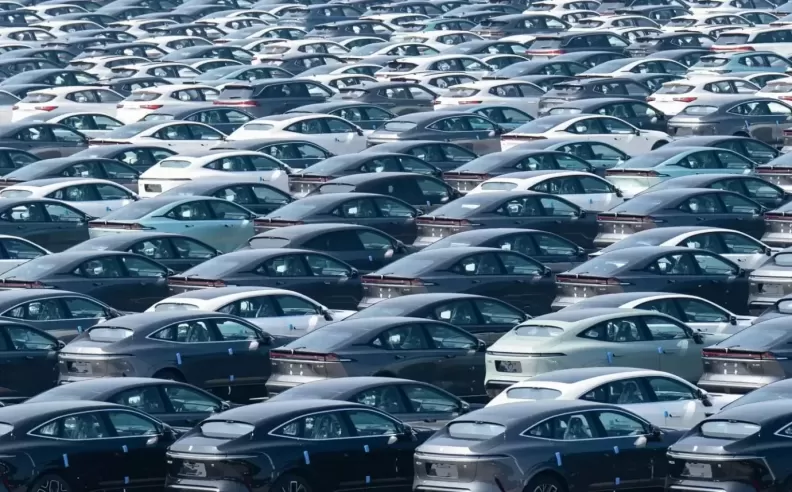
Depreciation is no longer a slow bleed. It is now the biggest silent cost in the UAE car industry. In 2025, average depreciation was 1.2 percent per month. In 2026, it is rising to 1.3 percent. That might not sound like much, but it adds up fast. Annual value erosion from depreciation is now expected to exceed 565 million dirhams. That is an increase of over 40 million dirhams per year compared to 2025, all because cars are taking longer to sell.
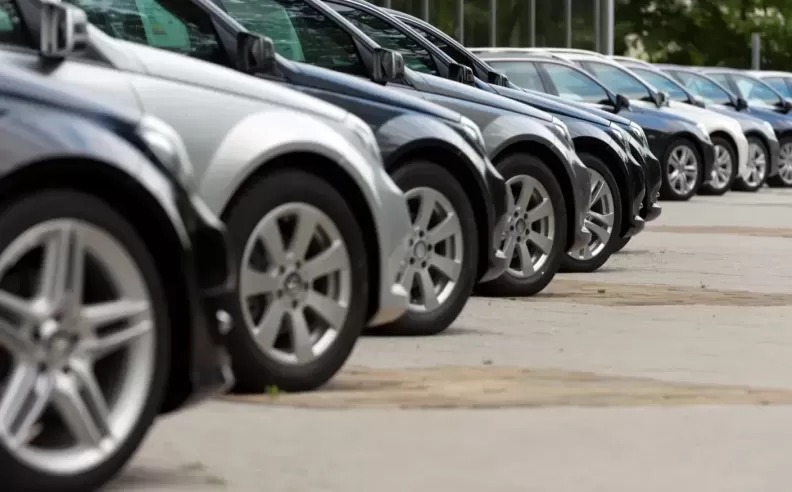
For dealers, this means every extra day a car stays in stock increases financial risk. In fact, if a vehicle remains unsold for 7 to 8 months, most of its profit margin is gone. It is not just high-end models feeling the hit. Depreciation after three years ranges from 15 to 25 percent for Japanese cars, up to 60 percent for luxury European models, and 35 percent or more for Chinese cars. Time has become a direct cost, and turning over stock faster is no longer optional.
The biggest story of 2025 was the rise of Chinese automakers. Nine new Chinese brands and over 100 models were added to DubiCars listings in one year. Their share of total demand jumped from 3 percent to 13 percent in just 12 months. Chinese cars are no longer just cheaper alternatives — they offer strong warranties, fast availability, and serious tech at prices that challenge used Japanese and European models.
Buyers also shifted toward hybrids in a big way. While electric cars gained ground, hybrids offered a smoother transition without range anxiety or charging stress. Hybrid listings on DubiCars doubled, and model variety rose by over 54 percent. The message was clear: convenience beats idealism, and value beats hype.
With more cars listed, from budget to ultra-luxury, speed became the new strategy. WhatsApp turned into the main platform for closing deals. Dealers who respond first — often within 15 minutes — win the sale. In a market where attention spans are short and options are endless, the fastest responder beats even the cheapest price.

Started my career in Automotive Journalism in 2015. Even though I'm a pharmacist, hanging around cars all the time has created a passion for the automotive industry since day 1.


 SHARE
SHARE