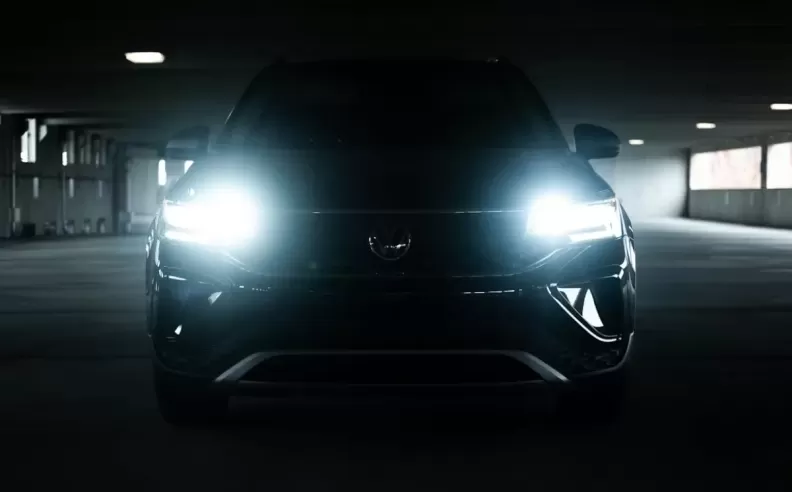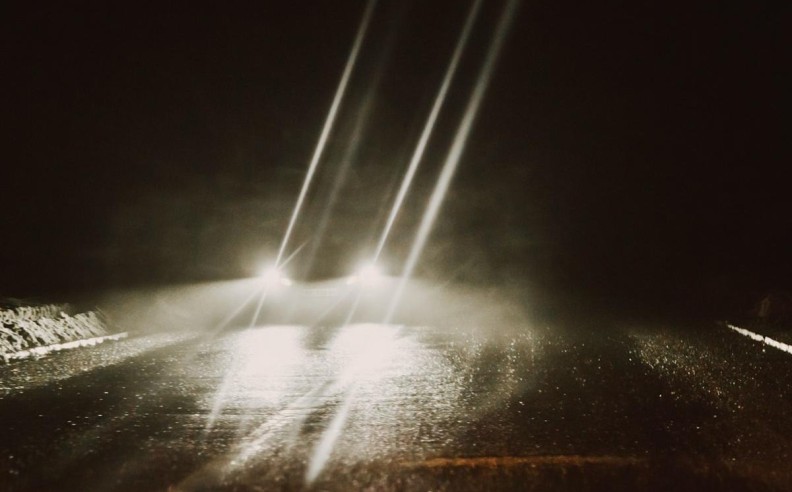
If you have driven at night recently, you have probably felt the sting of ultra bright LED headlights coming toward you. What used to be a simple commute can sometimes feel like staring into a spotlight. Public complaints have grown louder, and some lawmakers are calling for tighter rules on headlight brightness. But while frustration is real, crash data suggests the bigger danger may not be glare at all.
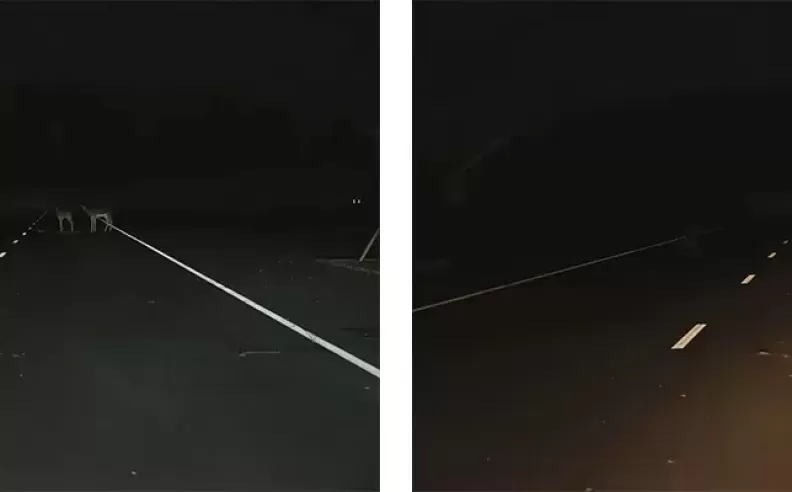
It is easy to blame modern LED headlights for uncomfortable night drives, but large scale crash data paints a different picture. Safety researchers analyzing real world crash statistics found that glare from headlights is linked to only about one or two out of every 1,000 nighttime crashes. Even as headlights have become brighter and visibility has improved over the past decade, that percentage has barely changed.
Experts explain that glare is not just about brightness. It is caused by stray light entering the eye at certain angles. While drivers may feel temporarily blinded, most of those situations do not end in reported crashes. In contrast, poor visibility due to weak lighting, outdated bulbs, and poorly designed roads has been linked to far more accidents. Vehicles equipped with top rated headlights show significantly fewer single vehicle nighttime crashes and fewer pedestrian collisions after dark.
The data also shows that glare related incidents are more common on undivided two lane roads, during wet conditions, and among drivers over 70, who are naturally more sensitive to bright light. Still, statistically speaking, glare represents a small slice of the overall nighttime crash picture.
The industry has not ignored public complaints. Headlight rating programs now evaluate both visibility and glare, and automakers have adjusted designs accordingly. In 2017, more than 20 percent of tested headlight systems produced excessive glare. For 2025 models, that figure has dropped to just a few percent.
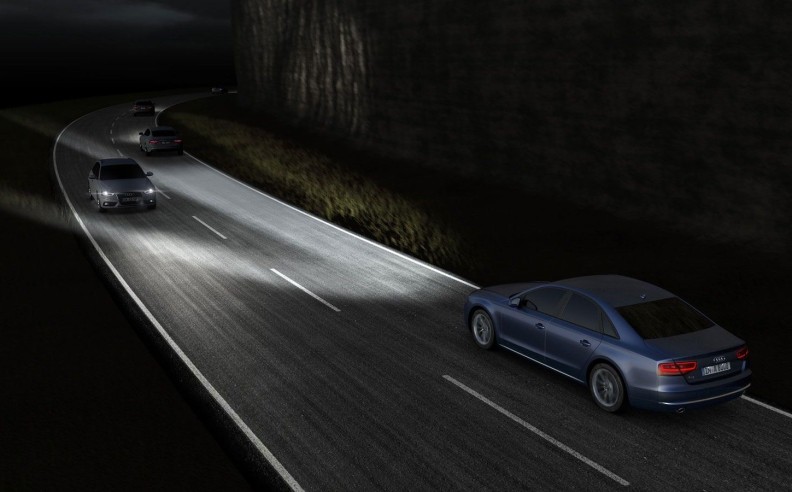
Modern systems now use automatic high beam assist to prevent drivers from dazzling oncoming traffic. Some advanced lighting setups can even adjust beam patterns dynamically, directing light where it is needed while shielding other drivers from stray glare. Combined with lane departure prevention systems, these technologies may further reduce the rare cases where glare contributes to a vehicle running off the road.
While the debate continues, the data suggests that brighter headlights are doing more good than harm by illuminating hazards earlier and improving reaction time. The challenge now is refining the technology so drivers get maximum visibility without creating discomfort for others.

Started my career in Automotive Journalism in 2015. Even though I'm a pharmacist, hanging around cars all the time has created a passion for the automotive industry since day 1.


 SHARE
SHARE