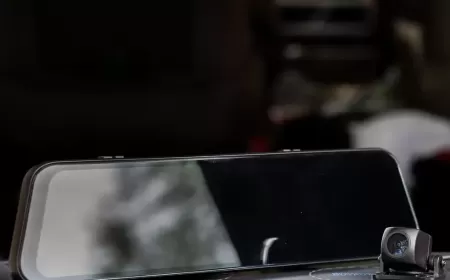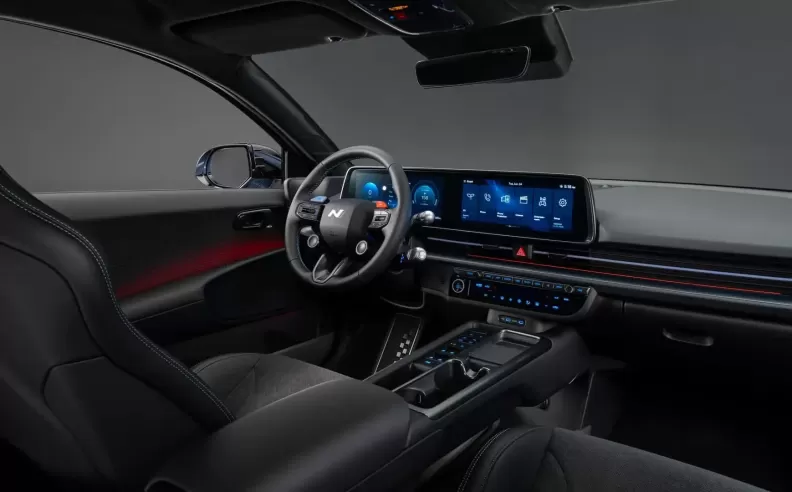
Modern cars in Saudi Arabia are now more than just vehicles. Packed with sensors, computers, and constant internet connections, today’s cars gather more data than most drivers realize. For many, driving feels personal and private, but your car could be silently recording every trip, every stop, and even your driving habits, all while sharing that information with the manufacturer.
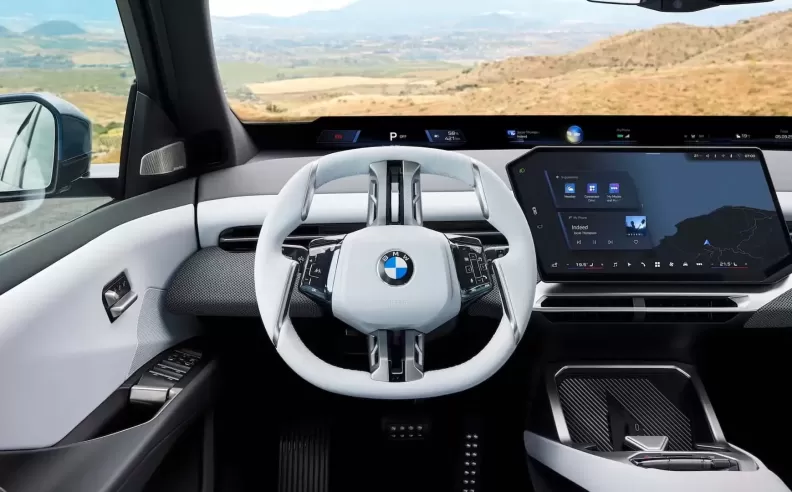
Today’s cars work like rolling smartphones. Brands such as BMW, Ford, and Hyundai install touchscreens, built in apps, always on internet, and powerful computers that track a surprising amount of details. Your car can record exact GPS locations, speeds, braking, steering behavior, accident history, voice commands, in car app activity, and even biometric data like fingerprints or voice prints. Some brands, like Ford, may keep tracking the vehicle location even if you turn off GPS, sometimes for business reasons like repossession if you miss payments.
Manufacturers say they collect this information to improve driver safety, offer better infotainment systems, analyze real world performance, and even sell new services. BMW, for example, analyzes usage to see which buttons get used and which features might work as future paid upgrades. Hyundai’s Bluelink system gathers performance and location data to offer new connected services. For drivers in Saudi Arabia, all this data collection raises important questions about how much is shared and what it is used for.
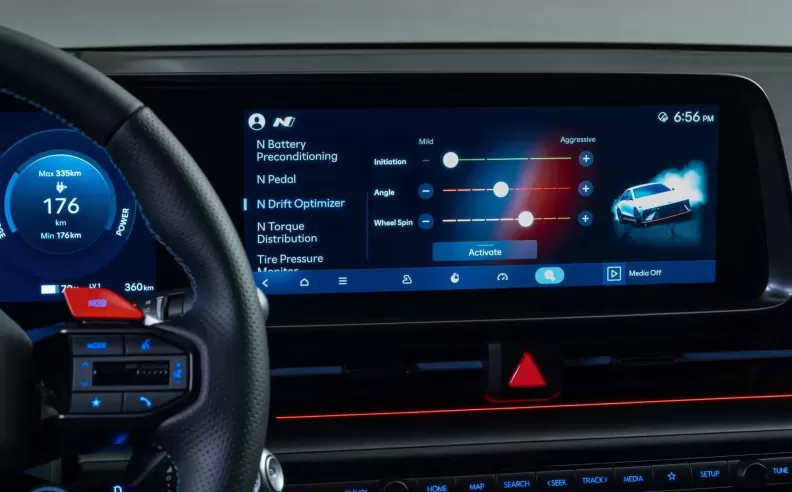
Privacy experts warn that today’s vehicles collect far more data than most people expect. Investigations have shown that car companies can gather sensitive information at a much higher rate than even smartphone apps. Everything from audio and video recordings to driver profiles and driving style can be sent to company servers, often with little transparency or clear user consent.
Cameras, sensors, and radar units do more than support safety features. They can recognize pedestrians, record license plates, and log traffic conditions, capturing hundreds of gigabytes of data daily without most owners knowing. If data is shared with partners or used to push new subscription services, Saudi drivers may find their personal routines exposed in ways they never intended.
With privacy laws still developing and few restrictions on how automakers use or share this data, the question for many in Saudi Arabia is no longer if their car collects information, but how, when, and with whom it is being shared. For now, your car could be the most advanced surveillance device you own.

Started my career in Automotive Journalism in 2015. Even though I'm a pharmacist, hanging around cars all the time has created a passion for the automotive industry since day 1.



 SHARE
SHARE